Quick Answer
In semiconductor plastic fabrication, a joint is not judged only by whether it holds pressure. It is also judged by what it can contribute to the process stream. Ultra-pure fabrication therefore shifts the acceptance criteria from strength alone to particles, ionic extractables, total organic carbon (TOC), metallic contamination, surface condition and the absence of crevices where chemistry can sit and grow. The practical consequence is that material choice, welding process, machine control, fabrication environment and documentation all become one connected system: PVDF or PFA instead of general-purpose PP where the purity target and chemical service demand it, butt fusion or infrared welding instead of extrusion welding on critical fluid paths, a machine that holds temperature and pressure inside a narrow window, a cleanroom or controlled assembly area, and test records that a fab can audit. This report explains what fabs actually require, where welds fail those requirements, and how fabricators can build a process that survives qualification.
Definition: What “Ultra-Pure” Means for a Plastic Component
Ultra-pure, in the semiconductor sense, describes a component that contributes acceptably little contamination to the fluid or gas it handles, and that can be cleaned to the required level without degrading. The measure is not visual cleanliness. It is the sum of particle shedding, ionic release, organic release, metallic release and surface characteristics, assessed against the specification of the system the component serves — ultrapure water (UPW), a wet-process chemical, a slurry, or a high-purity gas. A component can be mechanically sound and still be unusable in a fab because it fails one of those release criteria.
Why Wafer Yield Makes Purity a Process Requirement
Semiconductor devices are built in layers measured in nanometres. At that scale, contamination is not a housekeeping issue; it is a defect mechanism. A particle that lands on a wafer during a wet clean or before a deposition step can mask an etch, create a short, or disrupt a film. A metal ion that plates out of a chemical onto a wafer surface can change electrical behaviour. Organic residue can interfere with adhesion, wetting or film formation. The industry response has been to push contamination control upstream: the chemicals, the water, the gases and the surfaces that touch them are specified, monitored and qualified before they ever reach the process tool.
This is why the quality conversation in semiconductor fabrication sounds different from the one in general plastic fabrication. A chemical storage tank that passes a hydrostatic test may still be rejected if its inner surface sheds particles or leaches ions above the agreed limit. A wet bench that looks immaculate may fail qualification because a weld bead creates a dead zone where chemistry stagnates and particles accumulate. Purity is a property of the whole wetted path, and every joint in that path is part of the claim.
The pressure is not only technical. Fabs typically qualify suppliers as well as parts. A fabricator who cannot show material certificates, weld records, test data and change control is difficult to keep on an approved vendor list, regardless of how good the welds look. The commercial requirement and the technical requirement point in the same direction: demonstrable, repeatable control.
Where Plastic Components Sit in the Fab
Plastics are used in semiconductor manufacturing where their combination of chemical resistance, low extractable content and electrical non-conductivity fits the service. Metal remains appropriate in many parts of a fab, but in some wet chemical services stainless steel can release iron, chromium, nickel and other ions, and it can corrode in the presence of strong acids and oxidizers. That is one reason high-purity polymers are widely used on the wet side of the fabrication process — not because metal is unsuitable everywhere, but because the wetted path has specific chemical and purity requirements.
The main application families are:
- Wet process equipment: process tanks, rinse tanks, bath housings, wafer cassettes and tool bodies for cleaning, etching, stripping and plating steps.
- Chemical distribution: supply lines, return loops, valves, flow cells, day tanks and bulk chemical delivery components for acids, bases, solvents and slurries.
- Ultrapure water systems: piping, fittings, storage, distribution headers and point-of-use components carrying water at 18.2 MΩ·cm resistivity.
- Slurry and CMP systems: lines and tanks where abrasive particles must stay suspended and must not be contaminated by the handling system.
- Exhaust and fume handling: ductwork and scrubber components that carry acid vapours away from the process.
- Wafer handling and carriers: components that contact wafers directly and therefore have some of the strictest particle and metal requirements.
The purity requirement is not uniform across these families. A scrubber duct and a UPW distribution line are both plastic, but they are not made, welded or tested to the same standard. Confusing the two is an expensive mistake.
The Materials Used for High-Purity Plastic Components
Material selection is the first purity decision, and it is usually made before a welder is involved. The main candidates are PVDF, PFA, PP, PTFE and PVC, each occupying a different place in the cost-purity-performance triangle.
| Material | Typical role in a fab | Purity strengths | Practical limitations |
|---|
| PVDF | Wet benches, process tanks, UPW and chemical piping, components | Very good chemical resistance, low extractables, good mechanical strength, weldable by butt fusion | Narrow welding window, sensitive to contamination at the seam, higher cost than PP |
| PFA | High-purity chemical lines, critical fluid paths, linings | Excellent purity and chemical inertness, smooth surface, good flexibility | Expensive, lower mechanical stiffness, specialist welding and handling |
| PP | Exhaust ducting, non-critical tanks, general chemical service | Good chemical resistance, low cost, easy to weld | Higher extractables and lower temperature capability than fluoropolymers; not a default choice for critical UPW or high-purity chemical paths |
| PTFE | Gaskets, diaphragms, linings, seals | Extremely inert, very wide temperature and chemical range | Not melt-fusion welded in the way PVDF or PP are; used as seals and linings rather than welded sheet structures |
| PVC | Exhaust, drainage, non-critical utility service | Low cost, easy to fabricate | Not specified for high-purity fluid contact |
Two points are worth stating plainly. First, “plastic” is not a purity category. The difference between a general-purpose PP tank and a PVDF component for a critical chemical line is larger than the difference between PVDF and stainless steel in some services. Second, material grade matters as much as polymer family. Semiconductor grades are specified for extractables, lot traceability and consistent processing behaviour; commodity grades with the same polymer name may not be. The certificate of analysis and the resin lot record are part of the component specification, not paperwork attached afterwards.
For a deeper treatment of PVDF joining specifically, see our guide to PVDF sheet butt welding for semiconductor equipment.
Six Purity Requirements That Decide Whether a Weld Is Accepted
Fabs and their qualified fabricators express purity in different ways, but the underlying requirements fall into six groups. Understanding them is what allows a fabricator to design a welding process rather than hope for a good result.
1. Particle shedding
Particles come from machining swarf, ambient air, tool contact, packaging and the weld itself. A weld that is mechanically sound can still shed particles if the bead is rough, if the seam traps debris, or if post-weld cleaning scratches the surface. Particle control is therefore a chain: clean material handling, controlled cutting, a clean welding environment, controlled bead geometry and a validated cleaning step. The test is not a white-glove inspection; it is a particle count from a rinse or a controlled shed test, compared with an agreed limit. SEMI F104 provides particle test guidance for components used in ultrapure water and liquid chemical distribution systems, and is a useful reference when defining that test.
2. Ionic extractables
Ionic species — chloride, sulphate, nitrate, fluoride and others — can be released from polymer surfaces and from residues left by processing. They matter because they can corrode, plate out or interfere with surface chemistry. Extraction testing with ion chromatography is the usual way to quantify them. For welded components, the seam and the heat-affected zone are the areas of interest, because thermal history changes the surface and can concentrate residues.
3. Total organic carbon and organic extractables
Organic compounds released into UPW or a chemical can raise TOC, affect wetting and leave films on wafer surfaces. They can also feed biological growth in water systems. Weld overheating, oxidation and contamination from oils or release agents all contribute. This is one reason why clean handling, clean heating surfaces and controlled shielding matter more in semiconductor work than in general fabrication.
4. Metallic contamination
Iron, chromium, nickel, copper, sodium, potassium and other metals are among the most damaging contaminants in a fab. They can enter through contact with uncoated steel tooling, through contaminated resin, through machining operations, or through water used for cleaning. A welding process that drags a steel clamp across a cleaned surface, or that uses a contaminated heating plate, can undo an otherwise controlled fabrication sequence. Non-metallic or protected contact surfaces and a documented cleaning routine are part of the answer.
5. Surface condition
Surface roughness, scratches, porosity and residual bead all affect cleanability. A rough surface holds particles and chemistry; a scratch is a place where cleaning is difficult and where stress concentrates. The industry's interest in smooth, continuous wetted surfaces is not cosmetic. It is a cleanability requirement. Bead geometry therefore becomes a specification item: an internal bead that is acceptable in a drainage tank may be unacceptable in a high-purity chemical line.
6. Joint geometry and dead volume
A weld that creates a crevice, a step, a gap or a dead leg gives chemistry somewhere to sit. Stagnant volume is a particle and biological growth risk, and it makes cleaning validation harder. Good joint design aligns the surfaces, controls misalignment and produces a predictable bead on both faces. In critical service, the joint is designed so that the wetted surface is continuous, and the welding procedure is written to reproduce that geometry weld after weld.
Why the Weld Is Often the Contamination Source, Not the Sheet
Sheet material arrives from the resin supplier with a certificate and a known surface. The weld is where that certainty is interrupted. The polymer is melted, pressed, exposed to air and heat, and then cooled under mechanical constraint. Every one of those steps can introduce a defect that the sheet never had, and the difference between acceptable and unacceptable ultra-pure plastic welds is usually decided here rather than in the resin lot.
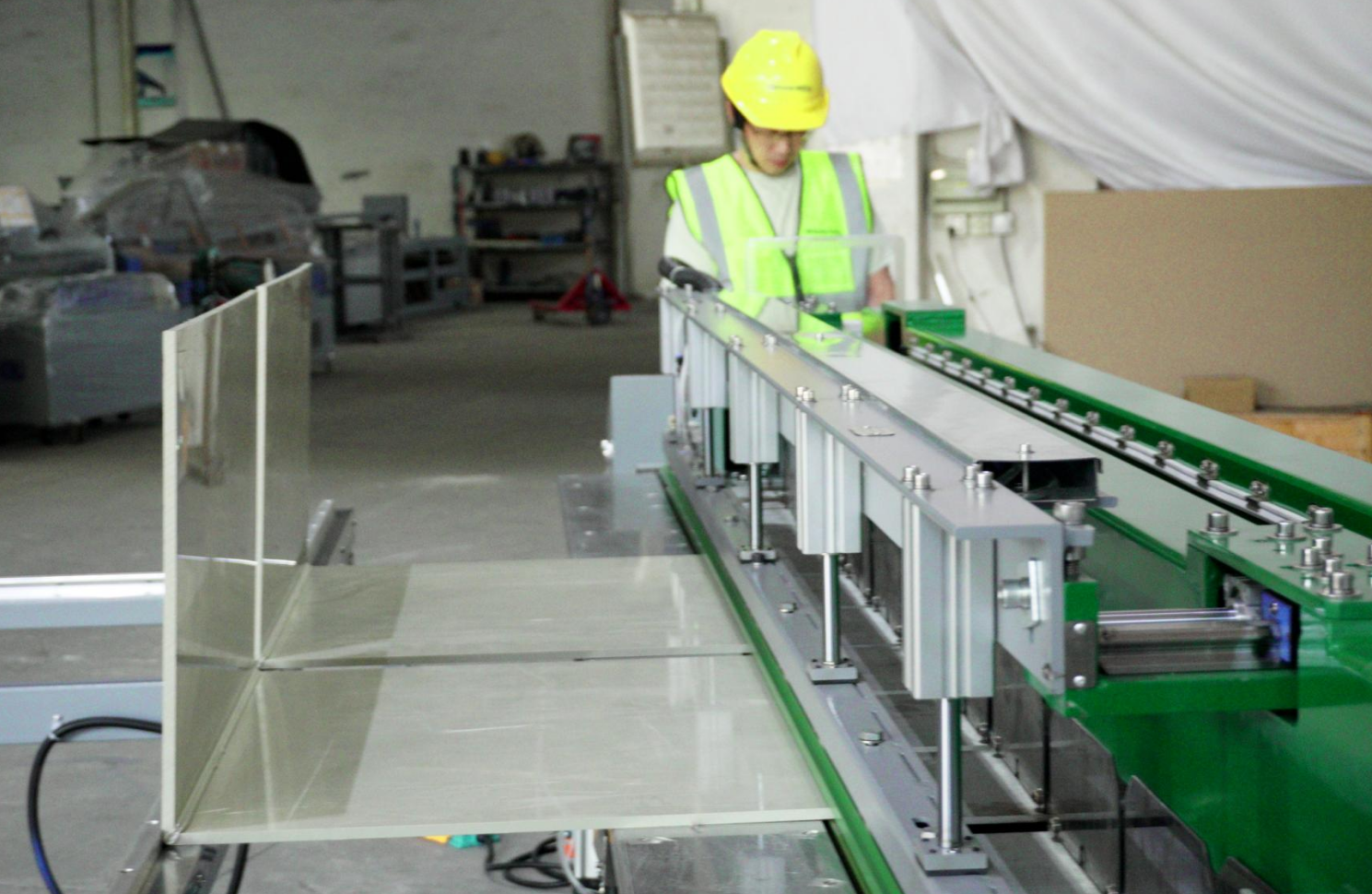
The common mechanisms are well understood:
- Oxidation: heated polymer exposed to oxygen can form degraded surface layers that release organics and particles. The risk rises with temperature, time and air exposure.
- Voids and incomplete fusion: trapped gas, insufficient pressure or uneven heating leaves unbonded areas that become particle traps and potential leak paths.
- Contamination at the interface: dust, oil or handling residue on the sheet edge is pressed into the seam.
- Overheating: excessive temperature degrades the polymer and widens the heat-affected zone, changing extractables and mechanical properties.
- Bead and flash: an uncontrolled bead creates roughness and a stagnant region; aggressive bead removal can scratch the wetted surface.
- Misalignment: a step at the joint disturbs flow and creates a cleaning shadow.
This is why semiconductor fabrication tends to specify the welding process rather than just the welding result. The process determines whether the seam is clean, fully fused and reproducible. The result tells you whether that particular joint happened to work.
Welding and Forming Processes Compared for High-Purity Fabrication
Not every plastic welding process is equally suited to high-purity work. The differences are not about which process is “best” in general, but about which produces the cleanest, most controlled joint for the material and geometry in question.
| Process | How it works | Purity considerations | Typical fit |
|---|
| Hot-plate butt fusion | Sheet ends are heated against a plate, then joined under controlled pressure | Clean plate and controlled temperature are critical; seam quality depends on pressure and alignment; bead can be controlled | PVDF and PP tanks, panels, duct bodies, structural components |
| Infrared (non-contact) welding | Radiant heat melts the joint faces without contact, then the parts are pressed together | No plate contact reduces one contamination route; good for sensitive materials and clean seams; process window still needs control | High-purity fluid components, bead-sensitive joints, fluoropolymers |
| Extrusion welding | A filler rod is melted into a prepared groove | Filler and oxidation add contamination variables; voids and surface roughness are harder to control; usually not the first choice for critical wetted paths | Structural seams, repairs, non-critical duct and tank work |
| Socket fusion | Pipe and fitting are heated and pushed together | Internal bead and crevice at the socket bottom are difficult to clean; geometry is fixed by the fitting | Utility piping where the specification permits it |
| Bending and forming | Sheet is heated and formed into corners, channels or tank bodies | Reduces the number of welds; forming temperature and tool cleanliness determine surface quality | Bent tanks, trays, duct sections, wet bench bodies |
For critical fluid paths, the trend is toward processes that minimise contact contamination and produce a repeatable, smooth joint: controlled butt fusion and infrared welding, supported by a qualified procedure. Extrusion welding still has a legitimate place in structural and non-critical work, but it is a poor default for a line that will carry UPW or a high-purity chemical.
What a Welding Machine Must Do Differently for Semiconductor Work
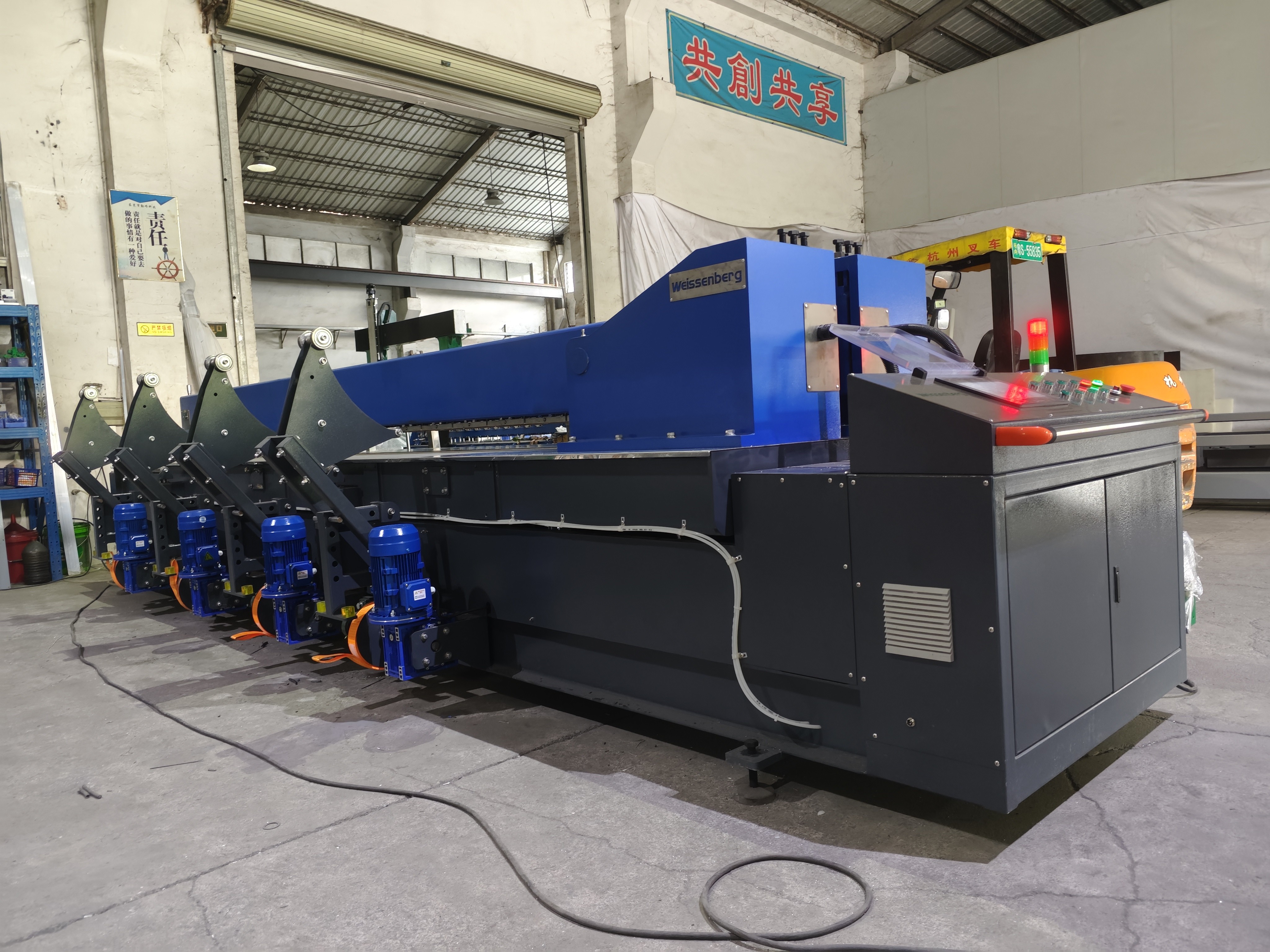
A general fabrication machine and a machine built for high-purity work can look similar from the outside. The difference is in how tightly the process is controlled and how much of that control is documented.
Temperature control across the whole seam
PVDF has a narrower processing window than PP or HDPE, and the consequences of drifting outside it are more serious. The heating plate must reach and hold its setpoint across the full seam width, not just at the centre. Uneven plate temperature produces uneven fusion: one end of the seam is overcooked, the other is undercooked, and the resulting joint is neither clean nor strong. Machines with a single heating zone and a plate temperature that stays uniform across the full seam width, with a displayed setpoint the operator can verify, are easier to qualify than machines where temperature is inferred from a dial or assumed to be even. Our article on temperature control in plastic welding covers the underlying mechanism.
Pressure control through the joining cycle
Fusion depends on the right pressure at the right moment. Too little pressure leaves voids; too much squeezes molten polymer out of the joint and creates an uncontrolled bead. The machine needs to apply the joining force evenly across the seam and hold it through cooling. Clamping rigidity matters as much as the pressure gauge: if the sheets shift, the seam moves. See why pressure control is underrated in plastic sheet welding.
Clean, controlled contact surfaces
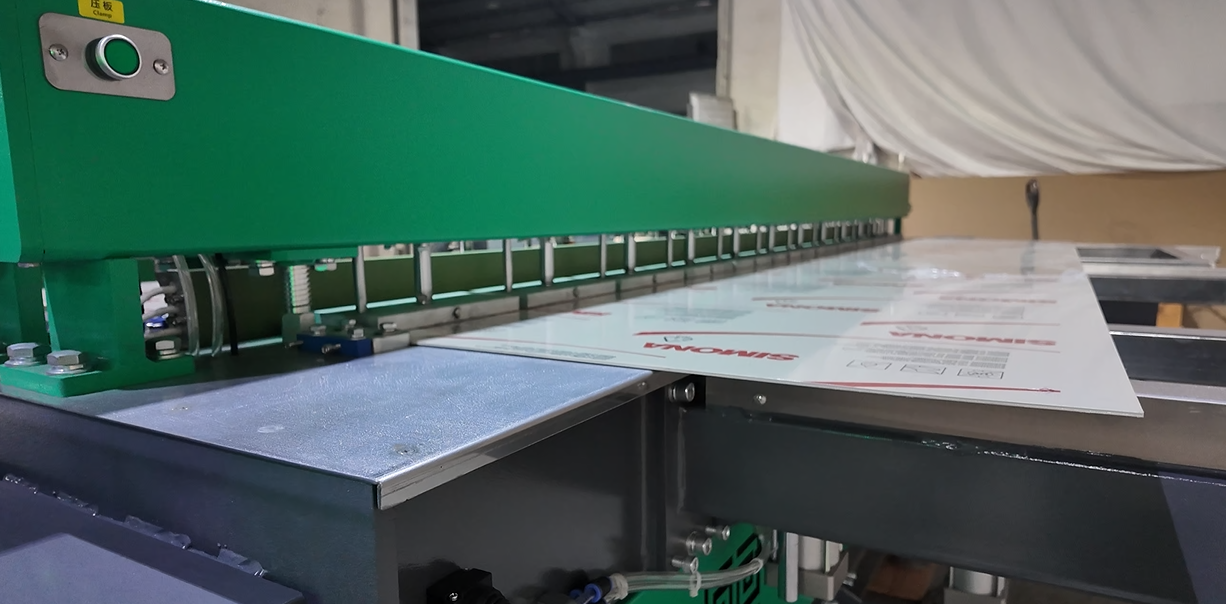
Heating plates, clamps and guides touch the material near the joint. In high-purity work, those surfaces need a cleaning regime and, where possible, non-metallic or protected contact faces. A machine that is easy to clean between materials and between production runs is a purity asset. A machine with exposed rust, oil or swarf is a contamination source no procedure can fully compensate for.
Material handling and alignment
Accurate alignment reduces the need for post-weld correction and produces a consistent bead. On large panels, sheet support and clamp design determine whether the joint closes evenly. This is a mechanical requirement with a purity consequence: a misaligned joint is a cleaning problem later.
Parameter storage and records
A fab audit may ask how a weld was made. Machines that store the welding program for a material and thickness make the setup repeatable; where actual cycle data are also logged, the record becomes easier to trace and audit. This is the same traceability logic described in our Industry 4.0 guide, applied to a stricter customer.
Cleanroom-compatible design
Equipment installed in or near a cleanroom should not itself be a particle source. Surfaces that shed, traps that collect debris, lubricants that migrate and cooling fans that stir air all work against the environment. The machine does not need to be a cleanroom-rated instrument in every case, but it should be selected with the room it will sit in. Where equipment suitability needs to be demonstrated, ISO 14644-14:2026 describes assessment by airborne particle concentration.
The Fabrication Environment: Cleanroom Discipline and Particle Control
Welding in a cleanroom is not simply welding in a cleaner room. It changes what operators wear, how material moves, how tools are cleaned and how waste is removed. The relevant standard is ISO 14644-1, which classifies cleanrooms by airborne particle concentration. The class required for a given operation should come from the customer’s specification and the contamination risk of the part rather than from a default: one programme may specify ISO 5 for critical assembly, while another accepts ISO 6 or ISO 7 for lower-risk work.
For plastic fabrication, the practical controls usually include:
- Segregated areas: cutting, machining and welding are separated so that swarf from one operation does not settle on a cleaned part for another.
- Gowning and gloves: operators handle cleaned surfaces with gloves, and garments are chosen to reduce fibre shedding.
- Tool control: tools are dedicated, cleaned and stored; steel contact on a cleaned wetted surface is avoided or controlled.
- Airflow and filtration: local extraction at cutting and welding points, plus filtration appropriate to the room class.
- Cleaning validation: defined cleaning agents, wiping patterns and acceptance checks, not an informal wipe-down.
- Material flow: incoming sheet is cleaned and protected; finished parts are bagged or capped immediately.
Not every semiconductor component needs the same room class. The specification should say which operations require which environment, and why. Over-specifying the room while under-controlling the weld is a common way to spend money without reducing risk.
Qualification and Testing: How a Weld Is Proven
In semiconductor work, a weld is proven by a combination of non-destructive checks, destructive samples and system-level tests. The exact mix depends on the component and the customer specification, but the logic is consistent: verify the process, inspect the part, test the joint, and validate the system.
Visual and dimensional inspection
Bead shape, bead height, misalignment, discolouration, voids, inclusions and surface damage are checked against a written acceptance criterion. Visual inspection is quick but limited; it cannot see internal voids or incomplete fusion.
Leak and pressure testing
Hydrostatic or pressure-decay testing confirms mechanical integrity. For tanks and pipe sections, the test pressure and hold time are specified. A pass is necessary but not sufficient: a joint can hold pressure and still fail purity requirements.
Destructive weld testing
Sample welds are cut, bent, peeled or tensile tested to confirm fusion. For PVDF and PP, bend and tensile tests reveal incomplete fusion and brittle zones that pressure testing may miss. Samples should be made with the production procedure, on the production machine, by the production operator.
Extractables and surface testing
For high-purity components, coupons or finished parts may be extracted and analysed for ionic species, metals and TOC. Surface roughness and cleanliness may be measured. SEMI F57 — Specification for Polymer Materials and Components Used in Ultrapure Water and Liquid Chemical Distribution Systems — provides requirements for high-purity polymer materials and components in those systems. Its applicability to a fabricated tank, wet bench or custom assembly depends on the component scope, the customer’s specification and the system-level qualification requirements.
System-level rinse-up and validation
A completed UPW or chemical system is flushed and monitored until resistivity, TOC and particle counts stabilise at the specified levels. The time to reach those levels — the rinse-up curve — is itself a quality signal. A system that takes far longer than expected to clean up usually has a surface, bead or dead-volume problem somewhere.
Documentation
Material certificates, weld records, operator qualifications, test results, cleaning records and non-conformance reports form the quality dossier. The dossier is not a formality; it is how the fab knows what it installed. Our guide to DVS 2207 compliance covers the fabrication-side documentation that supports this.
The Supply Chain Reality: Who Qualifies Whom
The semiconductor supply chain is layered, and each layer qualifies the one below it. Resin suppliers qualify their polymers and provide certificates. Component manufacturers convert resin into fittings, valves and machined parts. Fabricators weld and assemble systems. Equipment builders integrate tools. Fabs typically qualify the equipment and, through it, the fabrication supply chain.
For a plastic fabricator, this has two consequences. First, the qualification cycle can be long: material approval, procedure qualification, sample testing, first-article inspection and, often, a period of monitored production. Second, the fabricator's own process controls become commercial assets. A shop that can show a qualified welding procedure, calibrated equipment, trained operators and a traceable quality record can compete for work that a lower-cost shop cannot touch.
The geographic shift in semiconductor capacity has made this more important. New fabs and expansions in different regions create demand for local fabrication and local service, but they do not lower the qualification bar. In practice, fabs may favour a fabricator who can demonstrate experience with the specified materials and standards, even if that fabricator is not the cheapest bidder.
What Ultra-Purity Costs — and Where Not to Cut
Ultra-pure fabrication costs more than general fabrication, and the reasons are structural rather than arbitrary. The same cost logic applies whether the work is semiconductor plastic welding or any other high-purity fluid application:
- Material: semiconductor-grade PVDF and PFA cost more than commodity PP and PVC, and they are purchased with traceability.
- Environment: cleanrooms, gowning, filtration and monitoring add operating cost.
- Process time: controlled heating, cooling and cleaning take longer than a fast production weld.
- Testing: extractables, surface and system tests require laboratory time and samples.
- Documentation: records, audits and change control require engineering and administrative effort.
- Yield loss: stricter acceptance means more rework and scrap, especially during process development.
The places not to cut are the ones that are difficult to inspect later: material grade and traceability, heating-plate condition, weld procedure qualification, operator training and cleaning discipline. Saving on these shows up as a failed qualification or a field problem, both of which cost more than the saving. The places where a fabricator can legitimately economise are layout, automation level and the degree of in-house machining — provided the purchased elements are specified and inspected.
Build In-House, Use a Qualified Fabricator, or Buy Finished Components
A fab or an equipment builder has three broad sourcing options for high-purity plastic components. The right choice depends on volume, criticality, internal capability and how much process knowledge the organisation wants to own.
Build in-house when…
- You already have a qualified welding process and cleanroom space.
- Volumes are high enough to justify the equipment and engineering.
- The design changes often and you need fast iteration.
- You want direct control over material certificates and weld records.
- You can maintain operator training and calibration.
Buy from a qualified fabricator when…
- Volumes are low or intermittent.
- The component is complex or outside your core process.
- You need an established quality dossier and audit trail quickly.
- You do not want to carry cleanroom overhead.
- The fabricator has prior approval with your customer.
A third option — buying finished components from a specialist manufacturer — is often best for standard fittings, valves and flow components where the design is fixed and the qualification is already established. The mistake is to treat a welded tank or a custom wet bench as if it were a catalogue fitting. Custom welded structures need a fabrication process, not just a purchase order.
Where Weissenberg Fits — and Where It Does Not
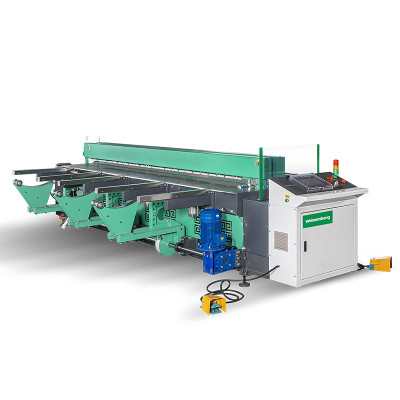
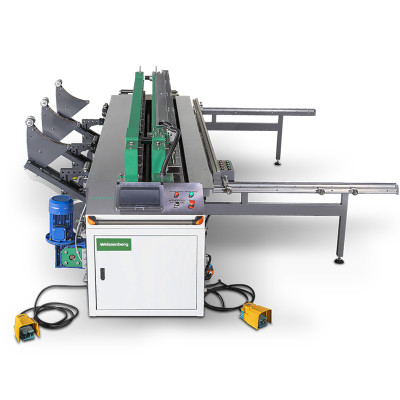
Weissenberg builds plastic sheet welding and bending machines, not semiconductor components. That distinction matters, and it should be stated clearly. A machine tool supplier can support a high-purity fabrication process; it cannot substitute for the fabricator's own material control, cleanroom discipline and qualification testing.
Within that boundary, the relevant capabilities are:
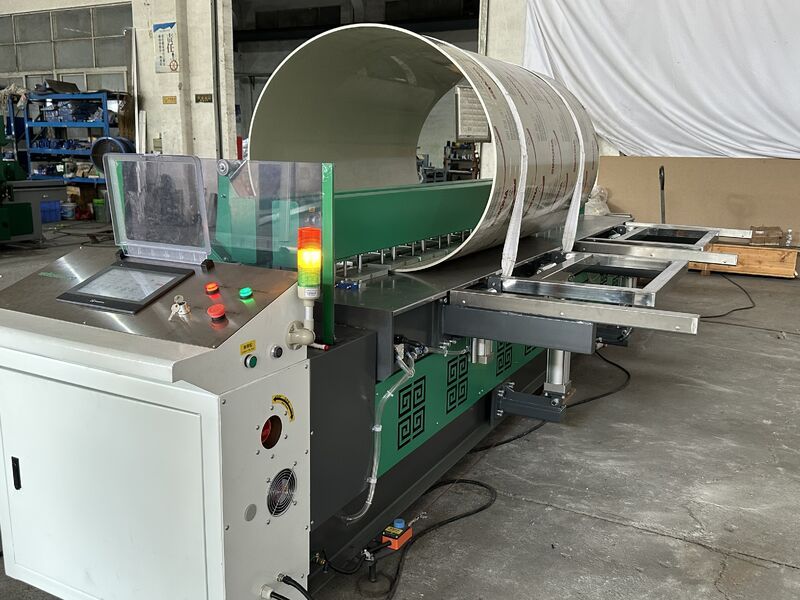
- Controlled butt fusion: PLC-based machines with setpoint temperature control, synchronised pressure and rigid clamping, suited to PVDF and PP sheet work.
- Temperature and pressure repeatability: the process controls that make a qualified procedure reproducible across shifts and operators.
- Large-format capability: working widths and configurations for tanks, panels and duct bodies rather than only small components.
- Bending and forming: reducing weld count by forming corners and channels, which is relevant to wet bench and tank design.
- OEM/ODM support: machine configuration around a fabricator's specific component range, documented and repeatable.
- Training and support: operator training and spare-parts support so the process stays stable over time.
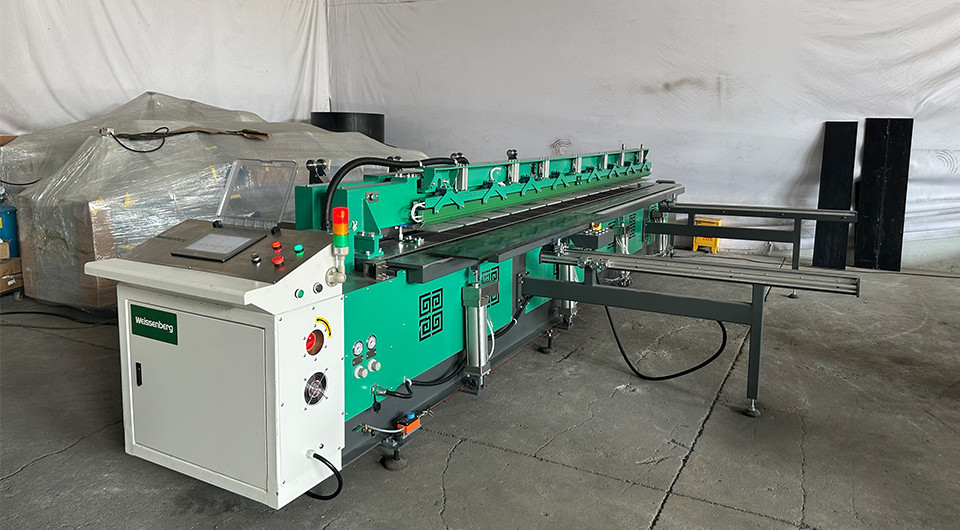
What Weissenberg does not provide is a cleanroom, a material qualification programme, an extractables laboratory or a SEMI F57 compliance claim for the finished polymer component or system. Those belong to the fabricator and, ultimately, to the fab's qualification process. A supplier who claims otherwise is either misunderstanding the standard or overstating what a machine can do.
For fabricators building semiconductor-adjacent work, the practical starting point is a machine and procedure that can hold a narrow process window and produce a clean, repeatable seam. The Weissenberg plastic sheet welder range and the WeiForm Pro 3000 welding and bending machine are suitable platforms to evaluate for controlled PVDF and PP sheet fabrication in semiconductor-adjacent applications. Our manufacturing and quality approach is described on the company pages, and specific requirements can be discussed through contact.
A Specification and Supplier-Audit Checklist
Whether a component is built in-house or bought, the specification should be explicit enough that two suppliers would produce comparable parts. The following checklist covers the points that commonly cause disputes.
- ✓ Material: polymer family, grade, resin supplier, certificate of analysis and lot traceability.
- ✓ Wetted surface: roughness target, cleaning method, acceptance criteria and inspection method.
- ✓ Joint design: weld type, bead geometry, allowable misalignment and dead-volume limits.
- ✓ Welding procedure: qualified parameter set, machine type, plate temperature, pressure, heating and cooling times.
- ✓ Environment: cleanroom class for each operation, gowning, tool control and particle monitoring.
- ✓ Testing: visual, dimensional, leak, destructive sample and extractables requirements, with sampling frequency.
- ✓ Documentation: weld records, operator qualification, calibration records, test reports and non-conformance handling.
- ✓ Change control: how material, process or sub-supplier changes are approved before shipment.
- ✓ Packaging: cleaning, capping, bagging and transport protection that preserve the achieved cleanliness.
- ✓ Acceptance: who signs off, against which standard, and what happens on failure.
A supplier audit should test the same list from the other direction: ask to see a weld record, trace a material lot, inspect the heating plate, review a calibration certificate and watch an operator change a procedure. The answers reveal more than a brochure.
Frequently Asked Questions
Is PVDF always the right material for semiconductor components?
No. PVDF is a strong default for wet benches, tanks and many chemical and UPW lines because it combines chemical resistance, weldability and low extractables. But PFA is preferred for some critical high-purity fluid paths, PP is adequate for exhaust and non-critical service, and PTFE is used where its inertness justifies its different fabrication route. The correct choice depends on the chemistry, temperature, purity target and geometry.
Can a general-purpose plastic welding machine be used for semiconductor work?
It can produce a weld, but it may not produce a qualifiable one. The limiting factors are usually temperature uniformity across the seam, pressure control through the cycle, clamping rigidity, cleanability of contact surfaces and the absence of cycle records. For critical work, a machine with PLC-based setpoint control and documented parameters is easier to qualify and easier to audit.
Why is extrusion welding rarely used on high-purity fluid paths?
Extrusion welding introduces a filler material, exposes molten polymer to air and produces a surface that is harder to control than a butt-fused or infrared-welded seam. Those factors add contamination and inspection variables. It remains useful for structural seams, repairs and non-critical ductwork, where its flexibility outweighs the purity penalty.
What is SEMI F57 and why does it matter?
SEMI F57 is the specification for polymer materials and components used in ultrapure water and liquid chemical distribution systems. It addresses requirements and test methods for those materials and components, including extractable contamination, giving buyers and suppliers a common basis for qualification. Whether and how it applies to a fabricated tank, wet bench or custom assembly depends on the component scope, the customer’s specification and the system-level qualification requirements.
Does a cleanroom guarantee a clean weld?
No. A cleanroom controls airborne particles, but it does not control material grade, plate contamination, oxidation, fusion quality or bead geometry. A cleanroom with a poorly controlled welding process produces clean-looking parts with contaminated seams. Environment and process are both necessary; neither substitutes for the other.
How is a high-purity weld tested?
Typically through a combination of visual and dimensional inspection, leak or pressure testing, destructive bend or tensile samples, and extractables or surface testing where the specification requires it. System-level rinse-up and monitoring then confirm that the completed assembly meets resistivity, TOC and particle targets. The exact test set should be written into the specification.
Key Takeaways
- Ultra-purity is a release specification, not a cleanliness claim: particles, ions, TOC, metals, surface condition and joint geometry all count.
- The weld is often the weakest point because it is where heat, air, pressure and handling meet the polymer.
- Material choice sets the ceiling on purity; process control determines whether the component reaches it.
- Butt fusion and infrared welding are generally preferred over extrusion welding for critical wetted paths.
- Machine control — temperature uniformity, pressure repeatability, clamping and records — is part of what makes a procedure qualifiable, not a convenience.
- The fabrication environment and the quality dossier are part of the product.
- Weissenberg supplies the welding platform and process control; the fabricator owns material qualification, cleanroom discipline and component certification.
References and Further Reading
Related Weissenberg Guides
Product References
Standards and Industry References
- SEMI F57-0622 — Specification for Polymer Materials and Components Used in Ultrapure Water and Liquid Chemical Distribution Systems.
- SEMI F104 — particle test guidance for components used in ultrapure water and liquid chemical distribution systems.
- DVS 2207 series — Welding of thermoplastics: procedures, parameters and quality assurance.
- ISO 14644-1 — Classification of air cleanliness by particle concentration.
- ISO 14644-14:2026 — Assessment of suitability for use of equipment by airborne particle concentration.
Weissenberg has manufactured plastic sheet welding and bending machines since 2006 and supports plastic fabricators across international markets. For application questions on PVDF, PP or high-purity sheet work, contact the engineering team with your material, thickness and joint details.