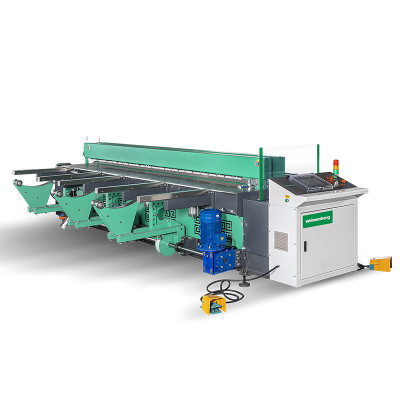
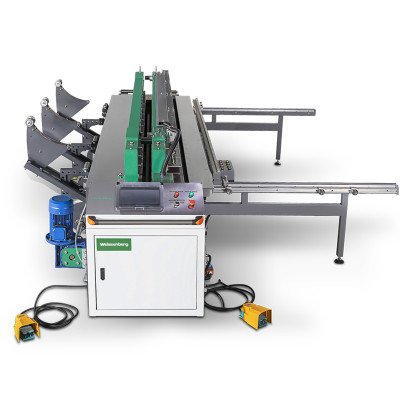
Quick Answer
Holding the heating-plate temperature to about ±5 °C is a temperature-stability specification, not a guarantee of weld strength. Every thermoplastic has a working temperature window: warm enough for the mating surfaces to melt and fuse, cool enough to stay clear of degradation. When plate temperature drifts far in either direction, the process moves toward one of two failure modes — incomplete fusion from too little heat, or over-melted, degraded material from too much. Because the joint depends on how completely those surfaces melt and intermix, a few degrees of drift can push part of a cycle to the wrong side of the window. A precision of about ±5 °C reduces that cycle-to-cycle variability, so the heating step behaves predictably along a long seam and from job to job. It does not weld the joint on its own: correct temperature, pressure and timing together decide the outcome.
The Science of Thermoplastic Welding: Welding Temperature Windows
Definition: Temperature Control in Plastic Welding
Temperature control in plastic welding is the practice of keeping the heating-plate temperature within a defined window so the thermoplastic at each joint face reaches a fully plasticised, weldable state — without drifting so low that fusion is incomplete or so high that the material begins to degrade. In a heated-tool butt welder, the heating plate is brought into contact with two prepared sheet ends, held until the material at the contact faces softens, then withdrawn so the ends can be pressed together under controlled pressure and allowed to cool into one continuous joint. Because the weld is formed by the thermoplastic itself rather than by an adhesive or filler, the plate temperature is one of the primary process variables that decides whether the seam is sound. “Temperature control” therefore covers three related things: the accuracy and stability of the plate setpoint, the uniformity of plate temperature across its working area, and the repeatability of the heating and joining sequence cycle after cycle.
This article is written for plastic fabrication shops, tank and duct builders, and technical buyers who want to understand why a machine’s temperature behaviour is worth examining before purchase — and why a figure like ±5 °C appears in specifications at all. For the process side of the subject, see our plastic sheet butt welding process and 5-stage cycle guide; for the standards a machine has to support, see the DVS 2207 compliance guide and quality checklist.
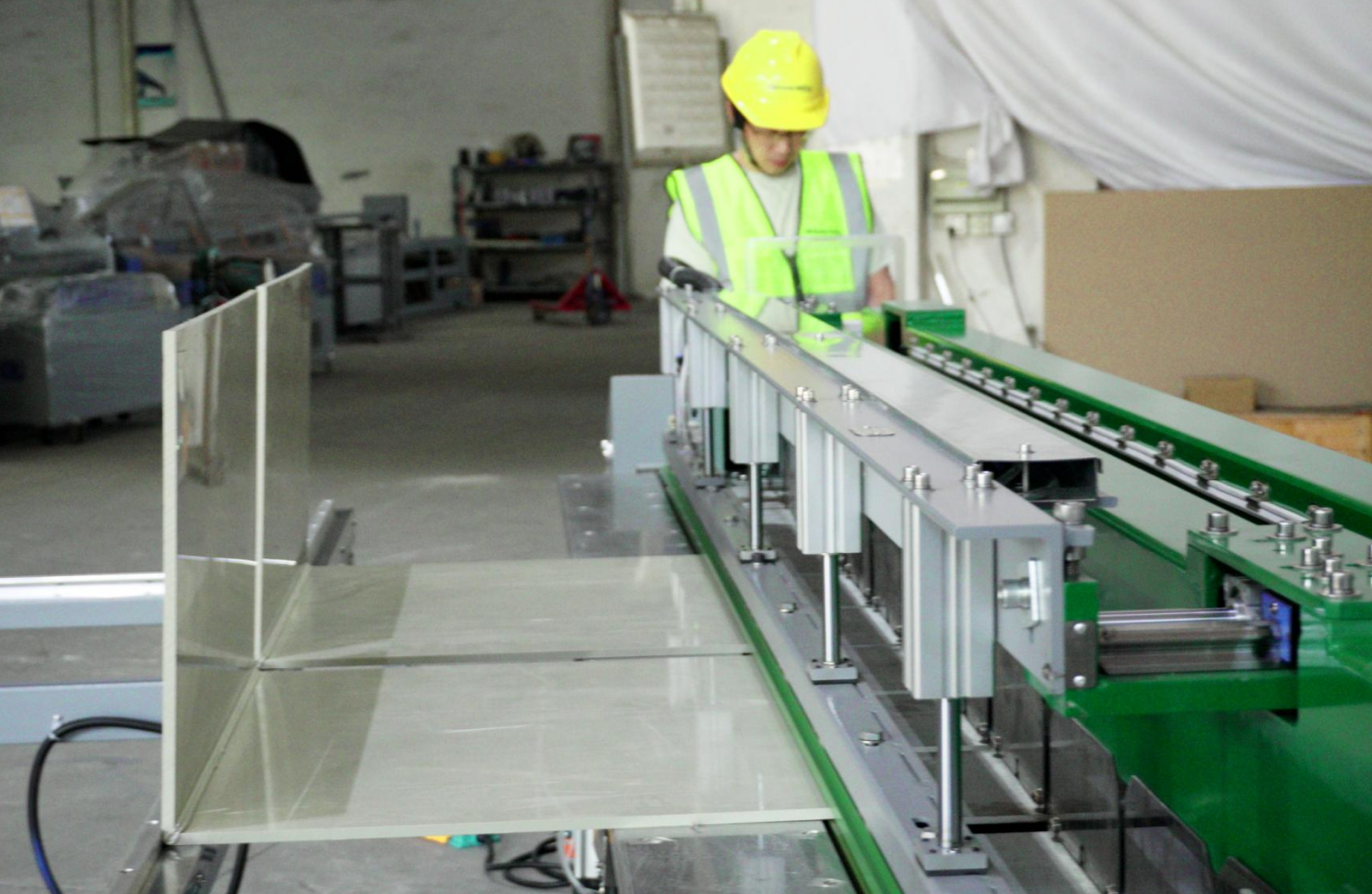
The plate temperature sits at the centre of the operation because the weld is formed by the thermoplastic itself rather than by glue or filler: the material softens on heating and hardens again on cooling, so the plate sets how deep the melt layer goes, how readily the two faces flow together, and how much strength the joint recovers as it cools.
Thermoplastics do not all respond to heat in the same way, which makes temperature control a material-specific discipline rather than a single universal setting. Semi-crystalline materials such as PE-HD, PP and PVDF melt over a comparatively defined interval, giving the welder a clear band to aim at; amorphous or less crystalline materials such as PVC-U soften more gradually, and the same heat that makes them weldable can begin to break the polymer down. Every family has a window that produces a good weld, a lower limit below which fusion stays incomplete, and an upper limit above which the material degrades rather than simply melts.
- PE-HD (HDPE) — semi-crystalline, melting across a relatively defined interval; it needs enough heat for full fusion at the joint face, and too little leaves a cold, under-fused seam.
- PP — semi-crystalline with its own softening and melt range; it justifies its own parameter set, and reusing PE settings unchanged risks incomplete fusion.
- PVC-U — amorphous or less crystalline and softening gradually; it is more sensitive to overheating and thermal degradation, so the upper temperature limit matters as much as the lower one.
- PVDF — a higher-melting semi-crystalline engineering fluoropolymer; it draws on the upper end of a machine’s heating capability, where uniformity across the plate becomes especially important.
This does not mean a welder needs one perfect number; it means the machine must reach and hold the right temperature for the material in front of it, consistently. The DVS 2207 series is organised by material for exactly this reason — DVS 2207-1 for PE-HD, 2207-11 for PP, 2207-12 for PVC-U and 2207-15 for PVDF — and sets out how the heating, changeover and joining phases are managed for each family. Confirm the current edition of any standard with the applicable body.
Consequences of Temperature Variation: Weak Welds and Material Degradation
What Happens When the Plate Runs Hot or Cold
Temperature variation harms a weld from two opposite directions, and both produce different defects and different failure risks.
When the plate runs too cool, the material at the joint face never reaches a fully plasticised state. The melted layer is shallow, the faces do not flow and intermix properly when pressed together, and the seam becomes a partial fusion rather than a full one. The damage is deceptive: a cold weld can look acceptable from outside, with a neat bead and no obvious gaps, while the molecular interlocking that gives the joint its strength never fully formed. An under-fused seam can have reduced strength and may be more vulnerable to leakage or premature failure in service, and the risk rises when heating times or temperatures sit at the low end of the qualified procedure.
When the plate runs too hot, the problem flips. Excess heat drives the melt layer too deep, so that when the ends are joined and pressed, more molten material is displaced and the effective wall thickness at the joint can be reduced. Heating beyond the material’s tolerance also begins to degrade the polymer rather than simply melt it: for temperature-sensitive materials such as PVC-U the risk of thermal breakdown is real, and prolonged overheating can cause material-specific degradation, including discoloration, oxidation, porosity or loss of mechanical and chemical properties. Over-melted joints can show heavy flash, bubbles or a broad heat-affected zone, and they can be weaker than the parent sheet despite looking thoroughly welded.
Between those extremes sits the region where good welds are made, and it is narrower than the full range the material can tolerate. That is the argument for tighter process control. Holding the plate temperature to about ±5 °C reduces the cycle-to-cycle variability of the heating step, so the process stays closer to the good band and the operator is not fighting drift as well as fit-up. A wide, poorly held band pushes part of every cycle toward one failure mode and leaves the outcome sensitive to ambient conditions, supply voltage and heating time. The visual assessment methods in the DVS 2202 series exist because these defects may not be obvious, and the mechanical testing in the DVS 2203 series confirms whether a joint actually performs.
How Heating-Plate Design Affects Temperature Uniformity
Why Uniform Plate Temperature Is Hard to Achieve
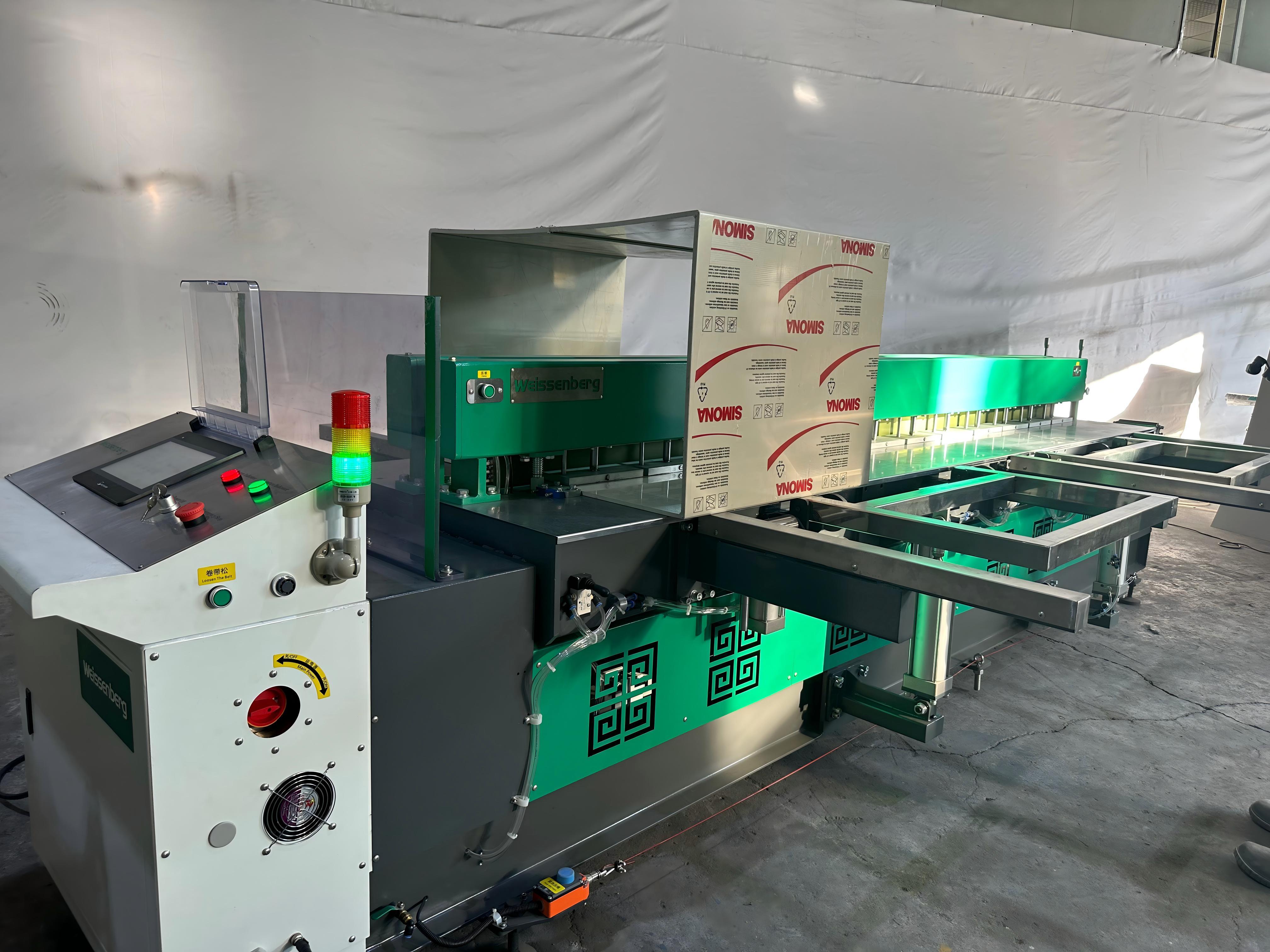
Holding a setpoint is one thing; holding it evenly across the whole plate is another. On a large butt welder the plate may span 3,000, 5,000 or 7,000 mm, and a plate that runs hot in the middle and cooler at the ends presents an uneven temperature to the sheet — so the seam can become inconsistent along its length even though the controller reports a stable number. Uniformity depends mainly on three things:
- Heater distribution and plate mass. Elements have to drive the whole surface evenly, with enough thermal mass to smooth out local hot and cold spots.
- Sensor placement and control logic. Where temperature is measured matters; if the sensor sees only part of the plate, the value it reports may not reflect conditions across the whole surface.
- Flatness, parallelism and contact. A plate that is not flat or parallel to the sheet makes uneven contact, and poor contact means locally cooler joint faces.
Ends and edges lose heat faster than the centre, which is why the ends of long seams deserve particular attention, and why even a well-designed plate needs time to reach a stable, even temperature before the first weld. For the practical symptoms this produces, see our article on uneven heating-plate temperature in plastic sheet welding machines.
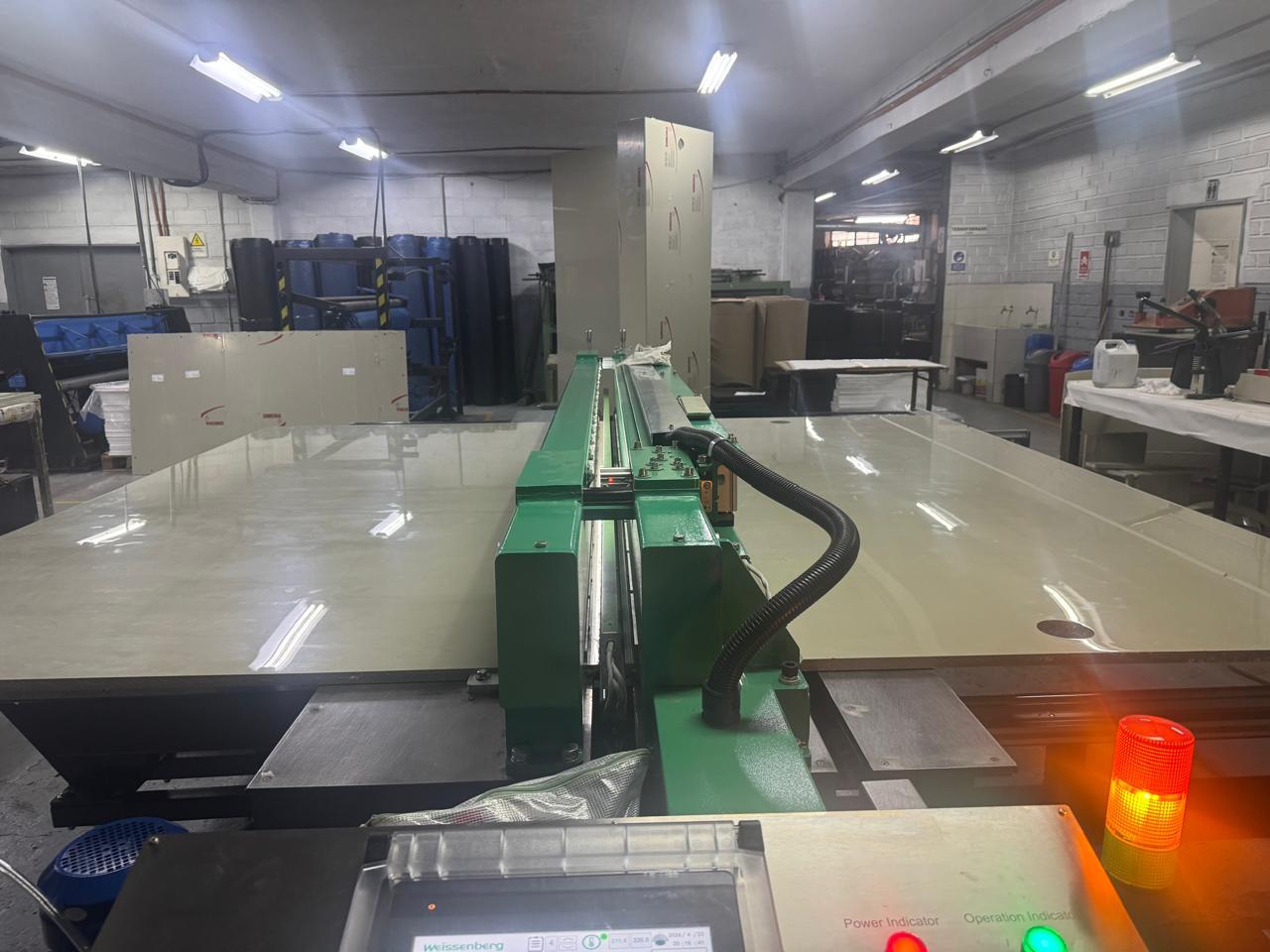
Weissenberg’s Temperature-Control Technology: How ±5 °C Is Achieved
Weissenberg approaches temperature as a system property rather than a single gauge reading. The machines are designed so that the heating plate, its control and the welding cycle work together to hold the material within its window and to keep that behaviour repeatable across the full width of the seam.
In practical terms, the approach rests on a few connected ideas:
- A stable, controlled plate temperature. The heating plate is controlled so that its welding temperature is held to a stability of about ±5 °C — one useful specification for judging how consistently the machine controls the heating step.
- Enough thermal range. The plate can reach a maximum heating temperature of 260 °C, giving headroom for the higher-melting families within the supported range. Selected models are rated to weld 3–40 mm PE, PP and PVDF sheet, with the exact thickness range depending on the model.
- Parameter-driven cycles. Welding parameters are set and held by the controller rather than dialled by hand, so the heating phase runs the same way each time.
- Plate geometry matched to the seam. Because uniformity depends on contact as much as on heaters, the plate and the way the sheet is presented to it are engineered together, so heat reaches the joint face evenly across the working width.
It is worth being precise about what a ±5 °C figure does and does not claim. It is a statement about process control: it limits how much the plate temperature — and therefore the heating step — varies, and it is the variability of that step, not the strength of the finished weld, that the figure describes. Weld quality still depends on correct parameters for the material and thickness, on sheet preparation and fit-up, and on joining pressure and timing. Temperature precision removes one important source of variation; it does not replace the rest of the process.
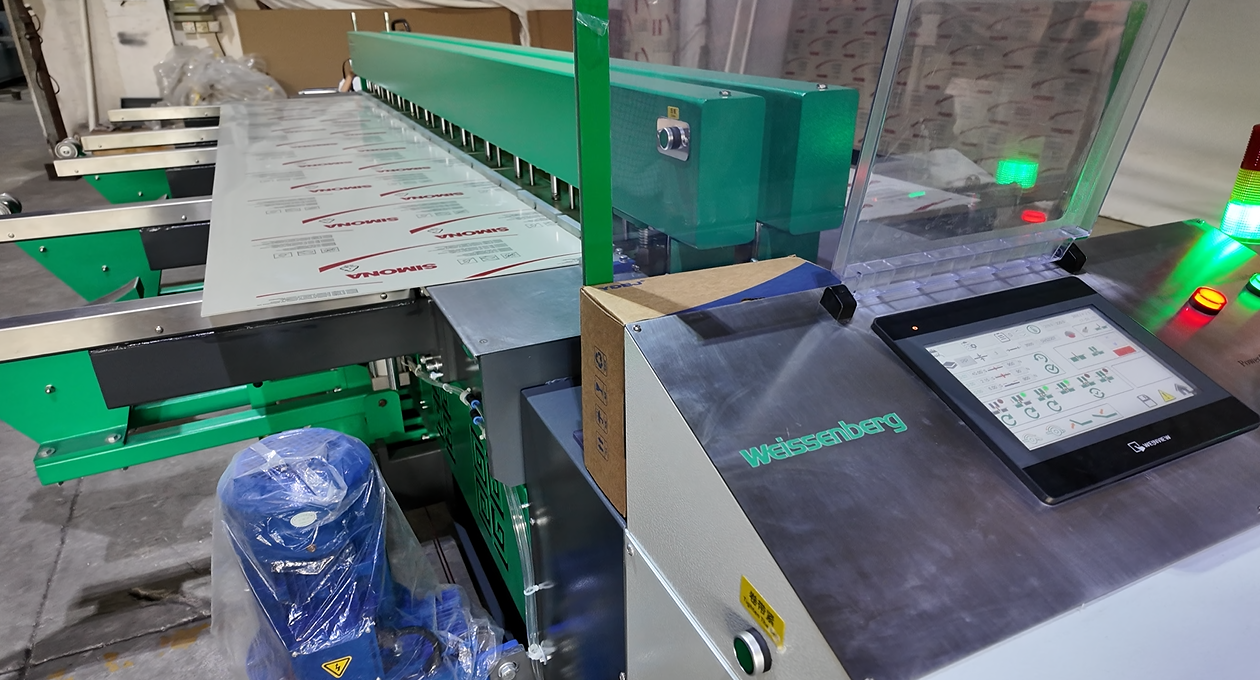
Comparison: Less Tightly Controlled vs Tightly Controlled Temperature Systems
Temperature systems can be compared by how tightly they hold the plate temperature, and the difference shows up in process consistency and in how much the operator has to compensate. The table below contrasts less tightly and more tightly controlled systems in general terms; the exact behaviour of any machine depends on its design and on the procedure being followed.
| Aspect |
Less tightly controlled system |
Tightly controlled system (about ±5 °C) |
| Plate temperature variation |
Wider band around the setpoint; can drift with load, warm-up state and ambient conditions |
Held tightly around the setpoint, so the material stays inside its window more reliably |
| Recovery after thermal load |
Larger or slower deviation after plate contact |
Returns toward target more consistently |
| Seam ends on long widths |
Higher risk of cooler, under-fused ends |
More even temperature along the full width, so the ends are less likely to run cold |
| Over-heating and degradation risk |
Upper limit harder to respect on temperature-sensitive materials |
Narrower, controlled band makes it easier to stay clear of the degradation threshold |
| Cycle-to-cycle repeatability |
More dependent on the operator and on conditions |
Parameter-driven cycle reduces cycle-to-cycle variation |
| Cycle-to-cycle temperature variation |
Greater variation around target |
Narrower variation around target |
| Where it fits |
Potentially acceptable where process validation shows the wider temperature band still remains within the qualified welding window. |
Especially valuable where long seams, narrow process windows, repeat production or tighter process documentation increase sensitivity to temperature variation. |
| Typical outcome |
Adequate in skilled hands, with more variability |
More predictable, more repeatable welds across a production run |
Read the table as a set of trade-offs rather than a verdict. A shop welding sheet at the thinner end of the range in short seams may find a wider band sufficient, because the process has more margin to absorb variation; a shop welding thick panels across a long seam, or supplying customers who expect documented quality, has far less room for drift — and that is where a tight band earns its place. The point for a buyer is to match the machine’s temperature behaviour to the sensitivity of the work.
How to Validate Temperature Control with Production Testing
“Weld strength” is not a fixed property of a machine; it is the outcome of a procedure. When other process variables are held constant, looser temperature control adds another source of variation to the welding process and can increase the spread between individual weld results. It is the weakest results — not the average — that cause leaks, rework and field failures. Tightening temperature control compresses that spread, which is why precision pays off on critical work.
The reason the poorest weld matters more than the average is structural: a welded seam behaves as one continuous joint, so a localised under-fused or over-degraded spot along a long seam can limit how the whole joint performs in service, however good the rest of it looks. DVS assessment and testing methods can help identify whether local defects or weak areas are present in the welded joint.
Rather than relying on anyone’s headline figures, a shop can build its own evidence base and use it to judge a machine honestly:
- Weld a parameter series. Produce butt welds across a deliberate range of plate temperatures and heating times for each material and thickness, within the limits of the qualified procedure.
- Test to the applicable standard. Have samples assessed and mechanically tested under the relevant DVS 2202 and DVS 2203 methods, so the results are comparable rather than anecdotal.
- Record what happened. Log plate temperature, heating time, changeover time and joining pressure for every weld, so you can correlate a result back to the conditions that produced it.
- Watch the ends of long seams. Inspect and, where feasible, test material from the ends of wide seams, because that is where uniformity problems appear first.
- Repeat over time. Re-run the checks periodically and after any service or relocation, so a drifting plate or worn element is caught before it reaches a customer.
That programme turns “weld strength” from an assertion into a measured, documented property of your own process — and shows directly whether the machine’s temperature behaviour is adequate for the work you sell. The standards referenced here should be checked in their current edition.
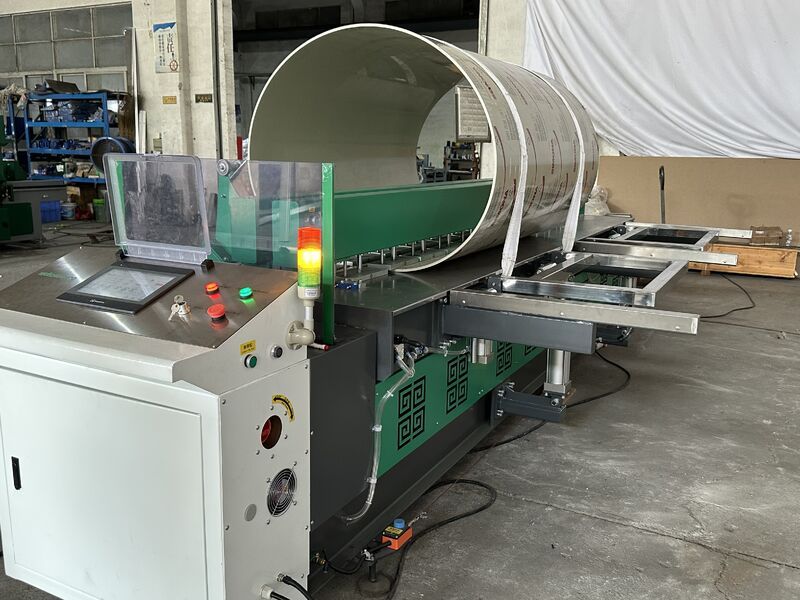
How Weissenberg Applies This
Weissenberg builds its welders around the principle that temperature stability must be matched by plate design, cycle control and pressure control to produce a repeatable seam. The table below maps each temperature-control idea to how it is applied across the WeiBond butt welders and the WeiForm Pro 3000; treat the details as directional and confirm the exact configuration for your application with our engineers.
| Temperature-control principle |
How it is applied on Weissenberg machines |
| Stable plate temperature |
Heating plate controlled so that welding temperature is held to a stability of about ±5 °C, keeping the material inside its window through the heating phase |
| Sufficient thermal range |
Plate capable of up to a 260 °C maximum heating temperature, covering the higher-melting families within the supported material range |
| Uniform heat across the seam |
Heating plate and sheet presentation engineered together so heat reaches the joint face evenly across working widths of 3,000, 5,000 and 7,000 mm on the WeiBond range |
| Repeatable, parameter-driven cycles |
PLC-controlled welding cycle with stored parameters, so heating, changeover and joining run the same way each time |
| Controller and motion control |
Mitsubishi PLC with touchscreen control on the WeiForm Pro 3000; SMC pneumatic components with proportional control for welding pressure, and servo-controlled electric cylinders for precise bending motion |
| Range to match the material window |
WeiBond models rated to weld 3–40 mm PE, PP and PVDF sheet (thickness range depends on model); WeiForm Pro 3000 welds 3–30 mm and bends 3–20 mm at 5°–95° |
For the referenced WeiBond models, specifications include 4–8 bar compressed air and model power ratings such as 7.2, 8.5 and 11 kW, depending on machine size. For reference, see the WeiBond 3000, WeiBond 5000, and WeiBond 7000 butt welders, the WeiForm Pro 3000 welding-and-bending machine, and the wider Plastic Sheet Welder range.
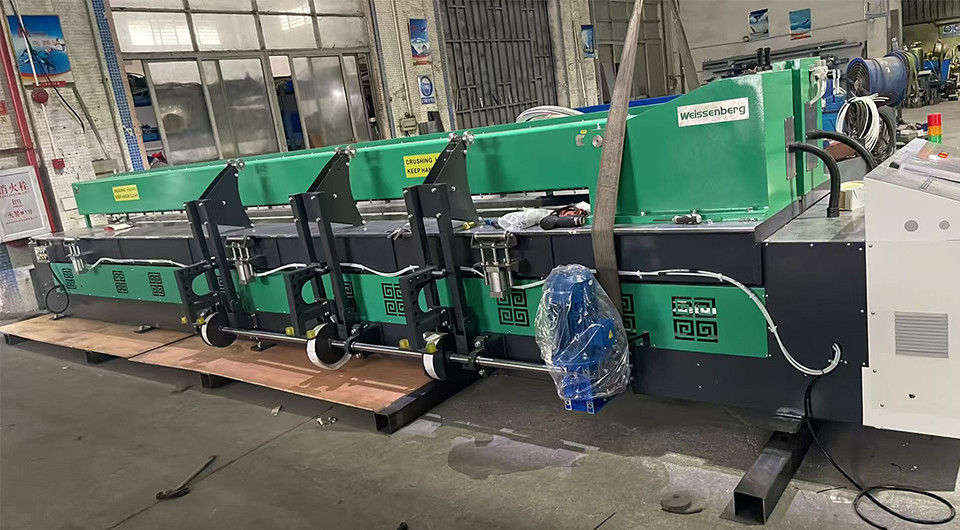
Decision Framework: How Much Temperature Precision Does Your Work Need?
Not every shop needs the tightest temperature behaviour on every machine. Use the two columns below as a practical filter, then weight precision against the sensitivity of the work you actually do.
Precision temperature control matters most when…
- You weld thick sheet, where the melt layer and the safety margin both matter more
- You run long, wide seams where an under-heated end can weaken the whole joint
- You weld temperature-sensitive materials such as PVC-U, where the upper limit is as important as the lower one
- You run repeat production and need the tenth weld to behave like the first
- You serve regulated or industrial markets that expect documented, repeatable quality
- Rework, leaks and field failures are expensive for your business
A wider but verified temperature band may be sufficient when…
- Your work is thin, short-seam and low-volume, where the process has margin to absorb variation
- You make one-off or non-critical parts with no traceability requirement
- You have deep operator experience and the process is genuinely under control by hand
- Your material is forgiving of a wider temperature band
- Your capital budget is tight and the extra control would not be repaid by your current job mix
- You do not expect your sizes, thicknesses or markets to change over the asset’s life
For many growing fabrication businesses, precision temperature control becomes a priority precisely because it reduces the variability that leads to rework. The disciplined approach is to match the machine’s temperature behaviour to the most temperature-sensitive work you can reasonably expect to quote over its life.
What to Check Before You Buy a Temperature-Controlled Welder
Turn the ideas above into questions, and ask them of every machine on your shortlist:
- Stability: What is the stated plate-temperature stability, over what range, and how is it verified?
- Range: Does the maximum heating temperature and the thickness range cover every material you weld or expect to weld?
- Uniformity: How is temperature kept even across the full working width, and what happens at the ends of a long seam?
- Warm-up: Is there an indication that the plate has reached a stable, even temperature before the first weld?
- Cycle control: Are heating, changeover and joining parameters stored and repeated by the controller, or dialled by hand?
- Pressure: How is joining pressure controlled and held stable through the cycle?
- Documentation: What does the controller record per weld, in what format, and how is it retrieved?
- Procedure and standards: Does the supplier align the machine with the applicable DVS 2207 procedures for your materials, and confirm current editions?
Ask for a demonstration on your material and thickness, and pay particular attention to the ends of the seam, where temperature and alignment problems become easier to detect. Where possible, test a sample from the ends of a wide seam under the applicable DVS methods rather than judging by appearance alone.
FAQ
Does ±5 °C really matter, or is it just marketing language?
It matters, but in a specific way. A ±5 °C figure describes how tightly a machine holds its plate temperature — a stability specification — and that tightness influences how reliably the process stays inside a material’s welding window. On sheet at the thinner end of the range and short seams, a wider band may still be adequate because the process has more margin. On thick sheet, long seams and temperature-sensitive materials, a wide band pushes part of every cycle toward either incomplete fusion or degradation, and a localised weak spot can limit how the joint performs. The figure is not a marketing flourish; it is one of the variables that affects how repeatable your welds are.
Why does plate temperature uniformity matter along a long seam?
Because a welded seam performs as one continuous joint, so a localised weak spot can limit the whole. A plate that is hotter in the middle and cooler at the ends transfers heat unevenly, so some parts of the joint face may melt less fully than others. The controller may still report a stable setpoint, because the issue is distribution rather than accuracy. On a long seam, an under-heated end is a spot to watch. Uniform contact between plate and sheet, even heater distribution and adequate plate mass are what keep the whole working width within the window.
How exactly does temperature variation cause a weak weld?
Two ways. If the plate is too cool, the melt layer at the joint face is shallow and the faces do not flow and intermix properly, leaving a partial fusion that can look neat from outside while the interlocking that gives the joint its strength never fully formed. If the plate is too hot, the melt layer goes too deep, more material is displaced when the ends are pressed together, and the polymer can begin to degrade — reducing thickness, properties and chemical resistance. In both cases the seam can pass a casual visual check and still under-perform, which is why the DVS 2202 assessment and DVS 2203 testing methods matter.
Can too much heat be as damaging as too little?
Yes, and for some materials it is the greater risk. Over-heating drives the melt layer deeper, displaces more material during joining, and can push the polymer into thermal degradation rather than simply softening it. Temperature-sensitive materials such as PVC-U are particularly exposed, and for every family prolonged over-heating can introduce porosity, discolouration and a loss of mechanical and chemical performance. A precise temperature band protects the upper limit as much as the lower one, which is why precision is not only about guaranteeing enough heat.
How do I set the right welding temperature for PE-HD, PP, PVC-U or PVDF?
You don’t choose it from a single universal number; you follow the qualified welding procedure for the material and thickness you are joining. The DVS 2207 series is organised by material for this reason — for example 2207-1 for PE-HD, 2207-11 for PP, 2207-12 for PVC-U and 2207-15 for PVDF — and treats extrusion welding in parts such as 2207-4. The machine’s job is to reach and hold the temperature the procedure calls for, and to keep it stable. Confirm the current edition of the standard for your project.
How can I tell whether my welder actually holds temperature well?
Do not rely on the display alone. Weld a parameter series across a range of temperatures and heating times for your material, have the samples assessed and tested under the applicable DVS 2202 and DVS 2203 methods, and inspect the ends of long seams in particular. Record plate temperature, heating time, changeover time and joining pressure for every weld so you can correlate results back to conditions, and repeat the checks over time and after any service. This builds evidence about your own process rather than trusting a specification sheet.
Are the DVS standards relevant to temperature control specifically?
Indirectly but materially. The DVS 2207 series defines welding procedures for thermoplastics by material, which is where the temperature, heating and joining parameters come from. DVS 2202 covers the assessment of welds, DVS 2203 their testing, and the DVS 2205 series the design of welded thermoplastic tanks and apparatus. A machine should be capable of following the procedures relevant to the materials and markets you serve. Verify the current edition of any standard with the applicable body.
Key Takeaways
- Weld strength is an outcome of the process, not a single machine property; temperature, pressure, timing and fit-up work together, and temperature control is one of the primary variables.
- Every thermoplastic has a welding window with a lower limit (incomplete fusion) and an upper limit (degradation); precision keeps the process inside that window.
- A ±5 °C stability figure describes how tightly the plate temperature is held, and it is one useful specification for judging how consistently the machine controls the heating step.
- Uniformity matters as much as accuracy: on long, wide seams the coolest section — often at the ends — is where to look first.
- Heating-plate design, heater distribution, sensor placement, flatness and equilibration time all determine how uniform a plate can be, and over-heating can be as damaging as under-heating.
- Weissenberg applies these principles across its families: WeiBond butt welders (about ±5 °C plate stability, up to 260 °C, 3–40 mm PE/PP/PVDF, selected working widths such as 3,000 / 5,000 / 7,000 mm) and the WeiForm Pro 3000 welding-and-bending machine (Mitsubishi PLC, SMC pneumatic components, servo-controlled electric cylinders for bending).
- Build your own evidence: weld a parameter series, test to the applicable DVS methods, and log the conditions for every weld.
References and Further Reading
- Weissenberg — WeiBond 3000 plastic sheet butt welder (3–40 mm PE/PP/PVDF; 3,000 mm max working width; 7.2 kW; 260 °C max heating temperature; 4–8 bar air; plate temperature stability of about ±5 °C)
- Weissenberg — WeiBond 5000 plastic sheet butt welder (3–40 mm PE/PP/PVDF; 5,000 mm max working width; 8.5 kW; 260 °C max; plate temperature stability of about ±5 °C)
- Weissenberg — WeiBond 7000 plastic sheet butt welder (3–40 mm PE/PP/PVDF; 7,000 mm max working width; 11 kW; 260 °C max; sturdy frame and high-density clamps for stable, consistent welds)
- Weissenberg — WeiForm Pro 3000 welding & bending machine (3,000 mm working width; welding 3–30 mm; bending 3–20 mm at 5°–95°; Mitsubishi PLC and SMC pneumatic components; servo-controlled electric cylinders for bending; 260 °C max heating temperature)
- Weissenberg — Plastic sheet butt welding process: setup, 5-stage welding cycle & inspection guide
- Weissenberg — DVS 2207 compliance guide and quality checklist
- DVS 2207 series — Welding of thermoplastics (heated-tool parts: DVS 2207-1 PE-HD, 2207-11 PP, 2207-12 PVC-U, 2207-15 PVDF; extrusion welding: DVS 2207-4), DVS Media GmbH, Düsseldorf — verify current edition
- DVS 2202 series — Evaluation of joints between thermoplastics (visual assessment of heated-plate and extrusion welds) — verify current edition
- DVS 2203 series — Testing of welded joints of thermoplastics (mechanical testing of weld samples) — verify current edition
- DVS 2205 series — Design of thermoplastic tanks and apparatus (for example DVS 2205-2 for vertical cylindrical unpressurised tanks and DVS 2205-5 for rectangular tanks) — verify current edition
Buying a plastic sheet welder or tightening the temperature behaviour of the machine you already run, and want a second opinion on how much temperature precision your work actually needs? Talk to a Weissenberg engineer — the right answer depends on your sheet materials and thicknesses, your seam lengths and part sizes, your production volume, and the testing and documentation requirements of your market.