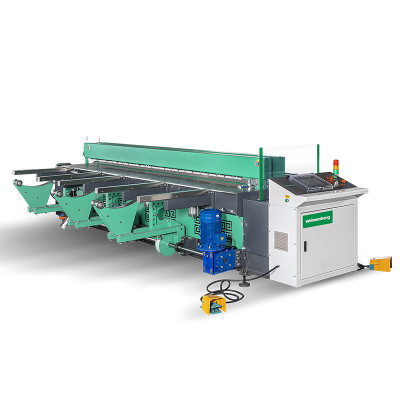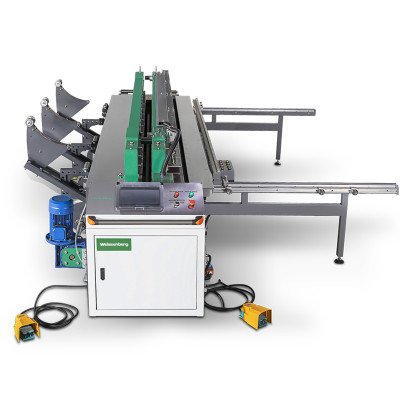
FAQ for Global Buyers: Plastic Sheet Welders, Bending Machines & Integrated Systems
Plastic sheet welding and bending equipment is widely used for HDPE, PP, PVDF and other thermoplastic fabrication. Applications include chemical tanks, water treatment systems, environmental equipment, industrial enclosures, and more.
This FAQ is intended for engineering procurement teams, workshop managers, distributors and technical buyers who need clear, non-marketing technical answers before making purchase decisions.
A — BASIC CONCEPTS
Q1. What is a plastic sheet welding machine?
A plastic sheet welding machine heats and joins thermoplastic sheets (HDPE, PP, PVDF, etc.) under controlled pressure to create a material-continuous joint suitable for structural applications.
→ Detailed overview: [LINK: D_Pillar_Welding_Overview]
Q2. Which materials can be welded?
Most thermoplastics can be welded, including HDPE, PE100, PP-H, PP-C, PVDF, PVC-U, PVC-C and ABS.
→ Material & temperature guide: D2 — Materials & Welding Temperatures (coming soon)
Q3. What is the difference between butt welding and extrusion welding?
• Butt welding: heats and fuses sheet edges under pressure (primary structural seams)
• Extrusion welding: deposits molten filler to reinforce corners and joints
→ Method comparison: D1 — Welding Method Comparison (coming soon)
Q4. Which industries use plastic sheet welding?
Typical applications include:
✔ Chemical storage tanks
✔ Wastewater & environmental systems
✔ Plating & fume scrubbers
✔ Industrial enclosures & air-ducting
✔ Aquaculture tanks
✔ Semiconductor & laboratory equipment

B — MACHINE SELECTION & ENGINEERING DECISIONS
Q5. How do I choose the right welding machine?
Selection should consider material, sheet thickness, weld geometry, production volume, and compliance requirements such as DVS 2207.
→ Engineering selection logic: [LINK: D_Pillar_Welding_Overview]
Q6. Should I purchase separate welding and bending machines, or a 2-in-1 system?
Both options have valid use cases:
• Separate machines: higher throughput & specialization
• 2-in-1 system: suitable for limited space or budget-constrained workshops
→ System comparison: [LINK: C1_2in1_Systems]
Q7. Do welding machines need CNC controls?
It depends on the production environment. CNC provides parameter control, repeatability, and traceability for standard-driven applications. All of our plastic sheet butt welding machines are CNC-controlled for consistent temperature, pressure, heating, and cooling phases.
Q8. What sizing or capacity do I need?
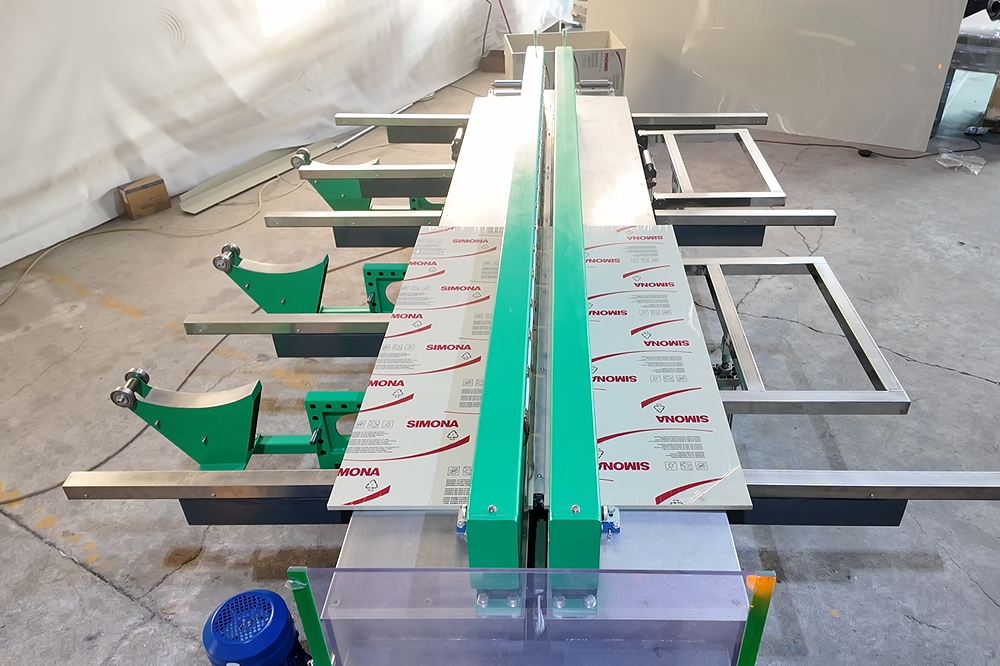
This depends mainly on sheet size and production frequency. For example, large chemical tank production typically requires 3–6 m bed length on butt welding machines.
→ Capacity & sizing reference: [LINK: A1_Butt_Welder_Guide]
C — STANDARDS, PROCESSES & ENGINEERING
Q9. What is DVS 2207?
DVS 2207 is a German welding standard defining welding temperature, pressure, heating, and cooling times for thermoplastic welding. It is widely used in tank and environmental equipment manufacturing.
Q10. What temperatures are used for welding HDPE / PP / PVDF?
Approximate hot-air equivalent ranges:
• HDPE: 220–260°C
• PP: 240–280°C
• PVDF: 300–350°C
→ Full tables: D2 — Materials & Welding Temperatures (coming soon)
Q11. How strong are welded joints compared to the base material?
When executed properly, butt welds can achieve strength comparable to the base material, provided process parameters are controlled.
→ Parameter discussion: [LINK: D_Pillar_Welding_Overview]
Q12. What are the most common welding defects?
Common defects include misalignment, cold welds, overheating, porosity, contamination and vertical weld sagging. These are usually related to temperature control, pressure, or material handling.

D — EXPORT, CERTIFICATION & COMPLIANCE
Q13. Do welding machines need CE certification?
For EU markets, CE compliance ensures electrical safety, EMC, and control system compliance. CE does not certify weld quality—weld quality is defined by standards such as DVS 2207.
Q14. Can welding machines be exported to the EU or the USA?
Yes, provided the equipment meets voltage, EMC, electrical safety, labeling, and documentation requirements. Some buyers also request DVS-compatible parameter control.
Q15. What documentation is supplied with the equipment?
Typically:
• Operation manual
• Electrical diagrams
• Spare parts list
• CE Declaration (if applicable)
E — PURCHASING, DELIVERY & PROJECT SUPPORT
Q16. What is the typical lead time?
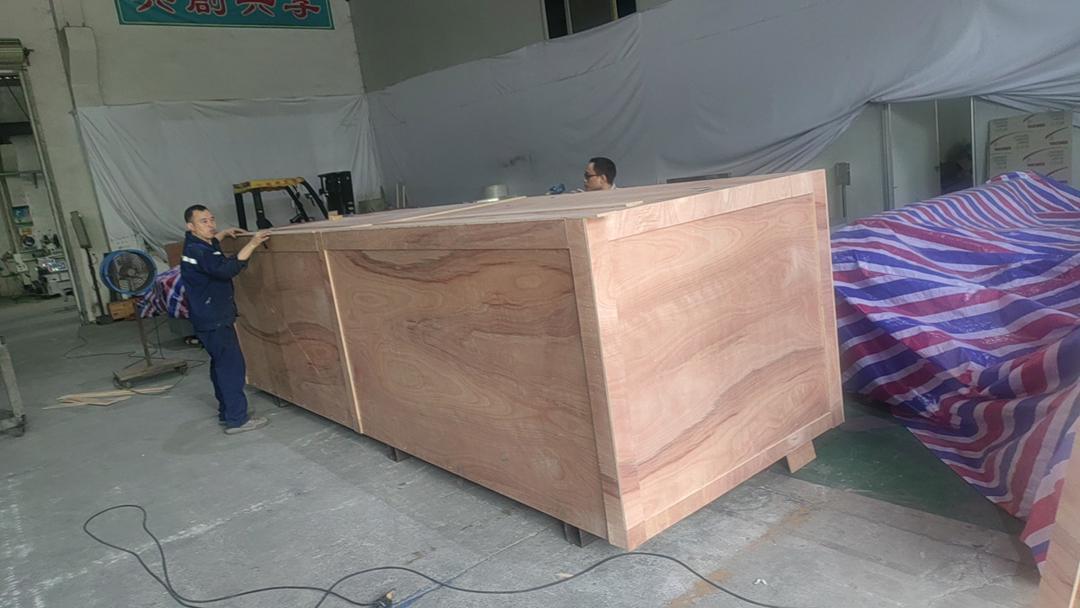
Standard lead time is approximately 2 months. For urgent projects, expedited production may be arranged depending on configuration.
Q17. Are spare parts available?
Yes. Common spare parts include heating plates, clamping components, and extrusion welding nozzles.
Q18. Can the machines be customized?
Yes. Custom options include bed length, voltage (EU/US), CNC parameters, clamping structures, etc. We welcome challenging engineering configurations.
F — MAINTENANCE, TRAINING & LIFECYCLE
Q19. How often should welding machines be maintained?
Routine checks should cover heating plate condition, temperature control systems, clamping mechanisms, and pneumatic/hydraulic systems.
Q20. Do welding machines require consumables?
Depends on the welding method:
• Butt welders: essentially no consumables (heating plates are long-term replacements)
• Extrusion welders require welding rods
• Hot air tools: may require filters or nozzles
Q21. Is training available?
Yes. Training can be provided remotely or on-site to improve repeatability and parameter control.
Who Is This FAQ For?
This FAQ is intended for:
✔ Workshops expanding into thermoplastic fabrication
✔ Chemical tank & environmental equipment manufacturers
✔ International procurement teams
✔ Technical distributors & equipment resellers
✔ Export projects requiring CE / DVS compliance
It acts as an entry-level technical orientation for buyers before deeper engineering or procurement discussions.