Sheet Fusion Machine – Industrial Welding Guide for Thermoplastic Flat Sheets (HDPE, PP, PVC-U, PVC-C, PVDF)
A technical guide to heated-tool butt welding for industrial fabrication, large tank assemblies and structural sheet components.
1. What Is a Sheet Fusion Machine?
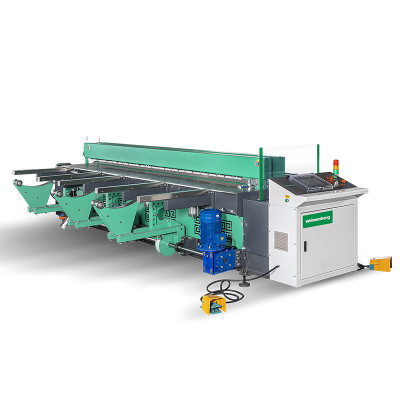
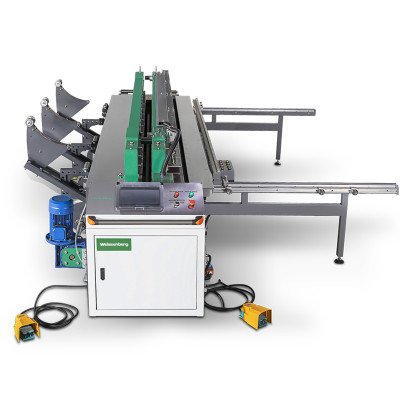
A plastic sheet welding machines also known as a sheet fusion machine) is an industrial heated-tool welding system used for joining thermoplastic flat sheets such as HDPE, PP, PVC-U, PVC-C and PVDF. Both sheet edges are clamped, simultaneously softened on a controlled heating plate, and fused under constant pressure to produce a molecular-level butt joint.
Compared with manual hot-air or extrusion welding, sheet fusion delivers:
• perfectly straight seams
• higher structural strength
• excellent leak-tightness
• zero filler rods
• highly repeatable QA results
• dimensional stability for multi-shift production
In industrial fabrication, sheet fusion = flat-sheet butt welding with controlled clamping, reliable heating uniformity, and stable fusion pressure.
2. Sheet Fusion Welding Cycle and Principles
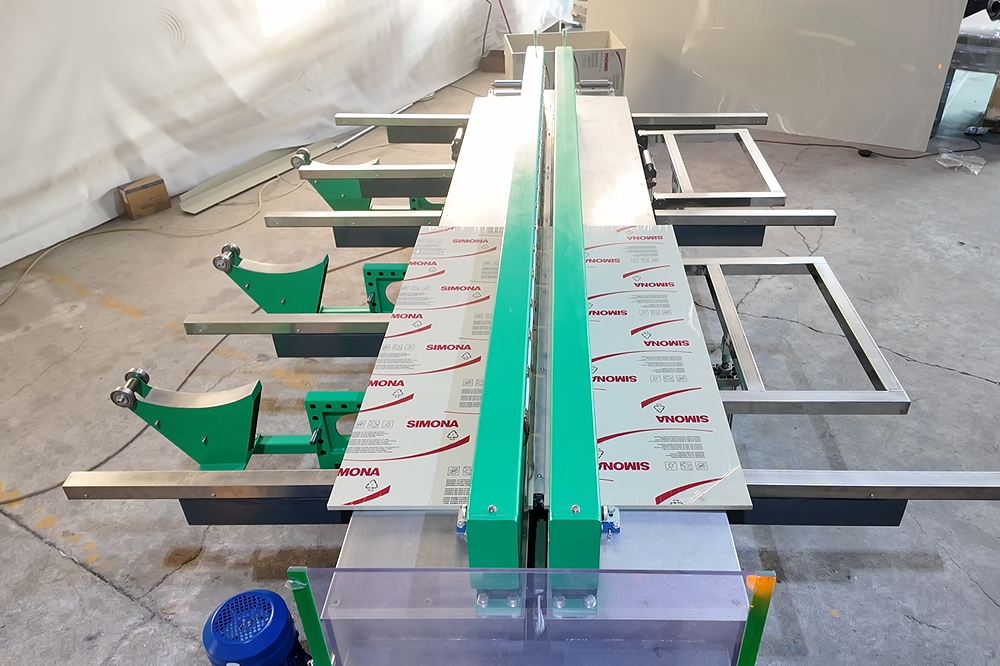
A complete welding cycle includes:
① Sheet Preparation & Clamping
Cut, clean and align the two sheet edges. Clamping prevents offset and internal stress.
② Plate Heating & Uniform Softening
Both sheet edges contact the heating plate at a controlled temperature. Temperature uniformity (±5–10°C) is essential for polymer diffusion and seam integrity.
③ Butt Fusion Pressure
After plate removal, the softened edges are pressed together under constant pressure, forming a molecular diffusion joint.
④ Cooling Under Pressure
Clamping continues until cooling stabilizes seam strength and geometry.
3. Industrial Welding Parameters (Aligned with DVS Principles)
| Material | Heating Temp (°C) | Fusion Pressure (N/mm²) | Notes |
HDPE | 200–220 | 0.01–0.15 | tanks, structural lids |
| PP | 200–220 | 0.01–0.10 | ventilation and covers |
| PVC-U | 222–238 | 0.01–0.60 | rigid flat sheets |
| PVDF | 232–248 | 0.01–0.10 | high-purity assemblies |
⚠ Parameters vary based on sheet thickness, length, tooling and QA standards. Industrial QA requires:
• sample seams
• visual bead inspection
• dimensional verification
• process documentation
For deeper theory, seam formation and repeatability logic, explore the Ultimate Guide to Plastic Sheet Butt Welding Machines.
4. Why Industrial Plants Prefer Sheet Fusion
Compared with hot-air or extrusion welding, sheet fusion delivers:
• stronger and more consistent mechanical performance
• long, straight, repeatable seams
• excellent leak-tightness and chemical resistance
• lower operator dependency
• scalable SOP for multi-shift fabrication
It is the preferred process for:
• HDPE chemical tanks
• PP ventilation systems
• wastewater and plating troughs
• structural lids and large flat components
• aquaculture basins and industrial covers
5. Machine Configuration & Automation
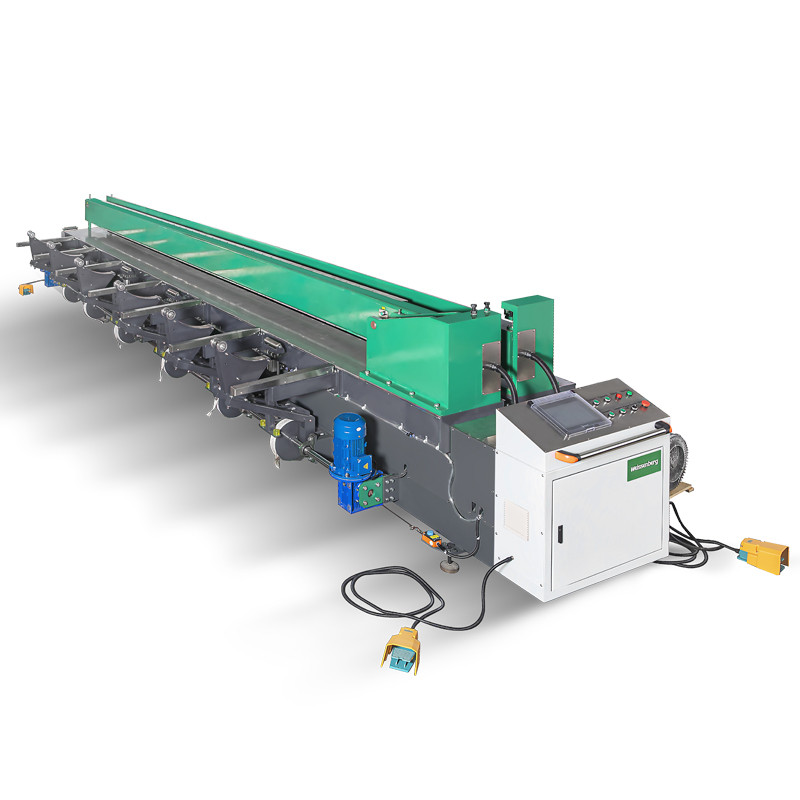
A mature industrial sheet fusion machine typically includes:
• wide-bed clamping platform (1000–8000 mm working width)
• sheet thickness capability from 3–50 mm
• hydraulic or servo-controlled fusion pressure
• PLC-controlled heating and cooling cycle
• temperature uniformity monitoring (±5–10°C)
• QA data logging for SOP and traceability
Automation enhances:
• seam repeatability
• lower welding skill requirements
• stable multi-shift production
• quality documentation for industrial fabrication
6. Sheet Fusion vs Extrusion Welding
Use Case | Preferred Method |
| long straight seams | sheet fusion |
| tank shells and flat lids | sheet fusion |
| corner repair or local fitting | extrusion |
| small on-site adjustments | extrusion |
Sheet fusion ensures industrial repeatability, strength and water-tight performance, while extrusion welding remains useful for local joints and complex geometries.
7. How to Select an Industrial Sheet Fusion Machine
Key criteria include:
• working width: 1000–8000 mm
• supported thickness: 3–50 mm
• hydraulic pressure repeatability
• plate temperature stability and uniformity
• PLC automation depth
• QA traceability and process recording
• remote commissioning and operator support
• CE-compliant electrical and safety design for export
For tank fabrication, ducting systems or structural flat panels, these specifications directly affect:
• seam consistency
• fabrication throughput
• production quality control
To explore clamping options, automation levels and application fit, review our Plastic Sheet Butt Welding Solutions.
8. Industrial Practice & Operator Experience
Experienced plants typically:
• validate parameters with sample seams
• inspect bead geometry before production
• fine-tune time and pressure based on sheet thickness
• maintain clean clamping surfaces
• keep stable cooling pressure
In real-world production, small process adjustments on industrial plastic sheet welding equipment often improve seam repeatability more effectively than hardware changes—especially in tank fabrication and modular panel production.
9. Sheet Fusion Inside a Complete Fabrication Ecosystem
Sheet fusion is one core step in a complete thermoplastic fabrication line, together with:
• sheet bending
• extrusion welding
• CNC routing or V-grooving
• QA and modular assembly
For a complete equipment ecosystem—including bending, routing, extrusion, industrial QA and China manufacturing—you may read our Complete Guide to Plastic Sheet Fabrication Equipment — Made in China, Exported Worldwide.
⭐ Industrial Value
Sheet fusion transforms thermoplastic fabrication from craft-based operation into a repeatable, documented and scalable industrial process.
Seam quality, water-tightness and stability directly influence:
• tank integrity
• plant safety
• production consistency
• QA reliability
• multi-shift capacity
For HDPE/PP fabrication plants, a well-engineered sheet fusion machine is not only a welding tool but a core production asset that drives industrial quality and competitiveness.
Looking for the right plastic sheet welding machine for your application?
Tell us your sheet material, thickness, and project requirements — our engineers will recommend a suitable configuration for your process.