Plastic Tank Reinforcement Design: How to Prevent Deformation in HDPE & PP Tanks (2026)
Introduction
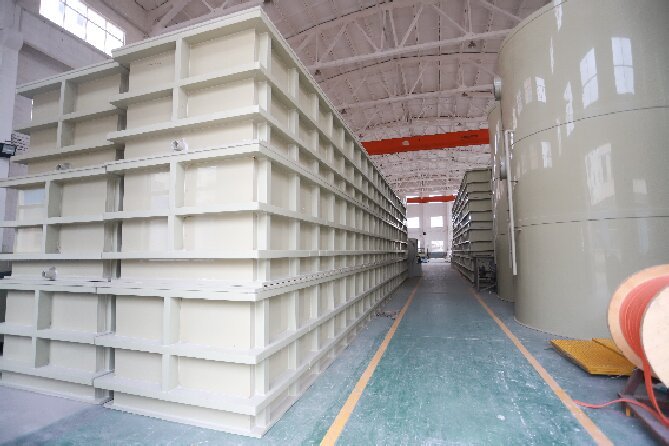
In modern industrial plastic tank fabrication, structural reinforcement plays a critical role in preventing long-term deformation and ensuring operational safety.
Unlike metal tanks, thermoplastic materials such as HDPE and polypropylene (PP) are flexible. While this flexibility provides excellent chemical resistance and impact strength, it also means tanks must be properly designed to withstand hydrostatic pressure and long-term creep.
Without adequate reinforcement, plastic tanks may experience:
• Wall bulging
• Structural deformation
• Weld stress concentration
• Reduced service life
This guide explains the engineering principles behind plastic tank reinforcement design and complements the broader industrial plastic tank fabrication process.
Why Plastic Tanks Deform
Plastic tank deformation is primarily caused by hydrostatic pressure and long-term material creep.
When a tank is filled with liquid, pressure increases with depth. Over time, thermoplastic materials may gradually deform if structural support is insufficient.
Key influencing factors include:
• Tank height
• Liquid density
• Temperature
• Sheet thickness
• Reinforcement spacing
Higher temperatures accelerate creep, which is why proper design is particularly important in chemical storage tanks, wastewater treatment tanks, and industrial process tanks.
Wall Thickness vs Tank Size
The relationship between tank height and sheet thickness is one of the most important design considerations.
As tank height increases, hydrostatic pressure increases proportionally.
Typical engineering ranges include:
Tank Height
Small tanks Medium tanks
Large tanks
Typical Sheet Thickness
8–12 mm
12–20 mm
20–40 mm
Actual requirements depend on:
• Material grade
• Reinforcement design
• Operating temperature
• Chemical compatibility
For large industrial tanks, sheet thickness alone is rarely sufficient. Reinforcement structures are essential to maintain dimensional stability.
Common Plastic Tank Reinforcement Methods
Several reinforcement strategies are commonly used in industrial plastic tank fabrication.
Rib Reinforcement
Rib reinforcement is the most widely used structural solution.
Horizontal ribs are welded onto tank walls to increase stiffness and distribute stress more evenly across the tank structure.
Benefits include:
• Increased wall rigidity
• Reduced deformation risk
• Optimized material usage
These ribs are typically attached using extrusion welding techniques as part of standard plastic sheet welding processes.
External Steel Frame Support
For very large tanks, an external steel support structure may be used.
Advantages include:
• Additional structural safety
• Reduced long-term deformation
• Compatibility with high-capacity industrial tanks
However, steel frames increase installation complexity and project cost.
Double-Wall Tank Design
Some chemical storage tanks adopt double-wall structures.
This design offers:
• Secondary containment protection
• Increased structural strength
• Higher safety for hazardous chemicals
Welding Considerations for Reinforcement Structures
Proper welding is essential when installing reinforcement components.
Two main welding methods are used in plastic tank fabrication.
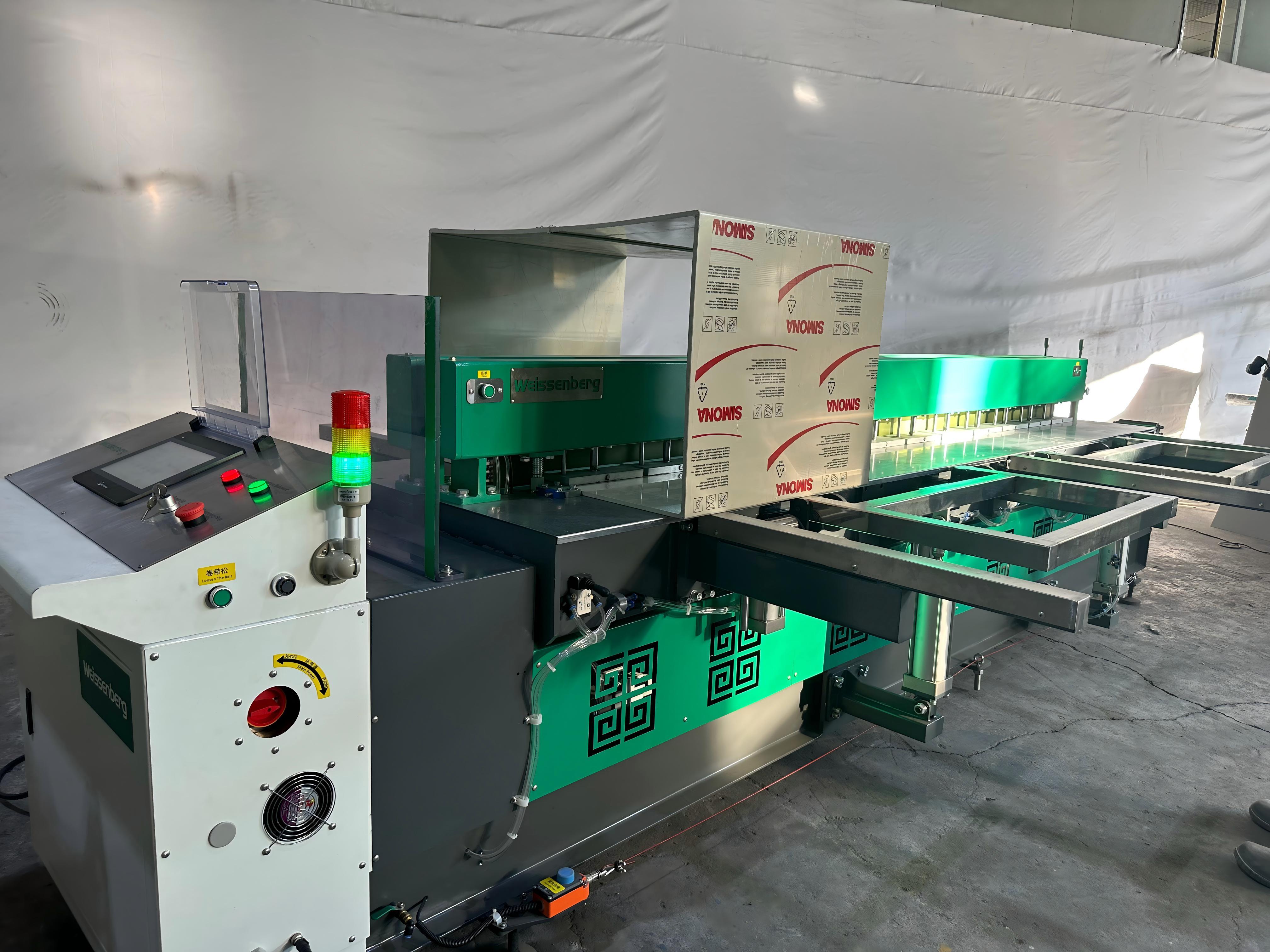
Butt Welding
Butt welding is used for primary structural seams, such as panel-to-panel joints in the tank wall.
This method provides full material fusion and delivers the highest weld strength.
For a detailed overview of the fabrication process, see our guide on industrial plastic tank fabrication.
Extrusion Welding
Extrusion welding is typically used for:
• Reinforcement ribs
• Corner joints
• Nozzle collar strengthening
Proper temperature control and welding speed are essential to prevent issues such as porosity or weak fusion. Many of these problems are discussed in detail in plastic sheet welding defects and troubleshooting guides
Equipment Considerations for Tank Fabrication Workshops
When designing reinforced plastic tanks, the reliability of the welding process is just as important as the structural design.
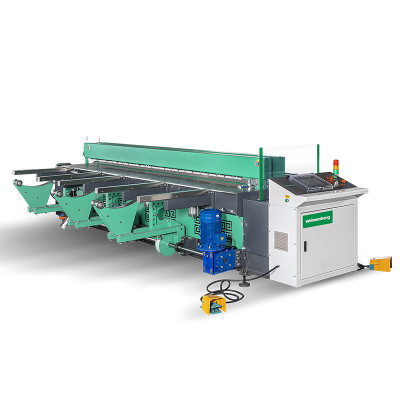
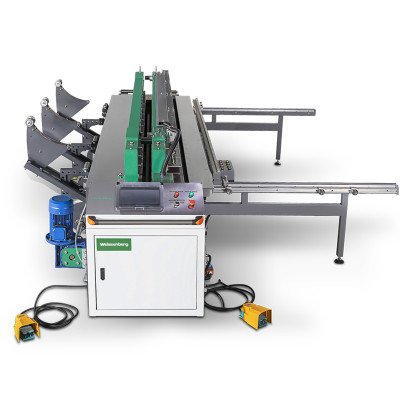
In most industrial plastic tank fabrication workshops, panel seams are welded using plastic sheet butt welding machines to ensure strong and uniform joints across large sheet sections.
High-quality welding equipment helps fabricators achieve:
• Consistent weld strength
• Accurate temperature control
• Stable clamping pressure during welding
These factors are critical when manufacturing large HDPE or polypropylene tanks that must withstand long-term mechanical stress.
Common Reinforcement Design Mistakes
Even experienced fabricators sometimes encounter structural issues due to design mistakes.
Typical problems include:
Insufficient Rib Spacing
If ribs are placed too far apart, tank walls may still bulge under hydrostatic pressure.
Poor Weld Quality
Weak welds between reinforcement ribs and tank walls can create stress concentration points.
Uneven Load Distribution
Improper reinforcement layout can cause localized deformation in certain areas of the tank.
Careful structural design combined with proper welding practices is essential for long-term tank reliability.
Engineering Example: Reinforced PP Chemical Tank
A typical industrial configuration might include:
Material: PP-H
Sheet thickness: 20 mm
Tank capacity: 50 m³
Structural features:
• External horizontal reinforcement ribs
• Reinforced flange collars
• Butt-welded primary seams
• Extrusion-welded reinforcement structures
After fabrication, tanks typically undergo hydrostatic testing to verify weld integrity and structural stability.
Frequently Asked Questions
1. Why do plastic tanks bulge over time?
Plastic tanks may bulge due to hydrostatic pressure combined with long-term material creep, especially when reinforcement spacing is insufficient.
2. How thick should HDPE tanks be?
Typical sheet thickness ranges from 10 mm to 40 mm, depending on tank size, operating conditions, and reinforcement design.
3. What reinforcement is required for large plastic tanks?
Large tanks typically require:
• Horizontal reinforcement ribs
• High-strength welding seams
• Optional external support structures
Conclusion
Proper reinforcement design is essential in industrial plastic tank fabrication.
Although thermoplastic materials such as HDPE and polypropylene offer excellent corrosion resistance, their flexibility requires careful structural engineering to prevent deformation.
By combining appropriate sheet thickness, reinforcement structures, and reliable welding processes, fabricators can build tanks that maintain long-term structural stability in demanding industrial environments.
If you are planning to build or upgrade a plastic tank fabrication workshop, selecting reliable fabrication equipment and proper welding systems is equally important to ensure consistent production quality and long-term operational safety.