Industrial Plastic Tank Fabrication Guide (2026) | HDPE & PP Tank Welding Process
Industrial Plastic Tank Fabrication Guide (2026)
Introduction
This is a complete guide to plastic tank fabrication, covering materials, welding processes, and equipment selection. In 2026, industrial plastic tank fabrication represents a fully engineered manufacturing process that integrates material science, structural load design, thermoplastic welding control, and documented quality assurance.
Unlike basic sheet joining, modern industrial plastic tank fabrication requires precise temperature management, reinforcement planning, and compliance with recognized engineering practices to ensure long-term operational reliability.
Industries relying on fabricated thermoplastic tanks include:
• Chemical processing plants
• Wastewater treatment systems
• Electroplating facilities
• Aquaculture installations
• Mining and petrochemical operations
Fabricated tanks differ from molded tanks in that they allow:
• Custom structural dimensions
• Engineered reinforcement systems
• Modular installation
• High-strength welded seams
1. Material Selection in Industrial Plastic Tank Fabrication
In any industrial plastic tank fabrication project, material selection directly determines durability and safety.
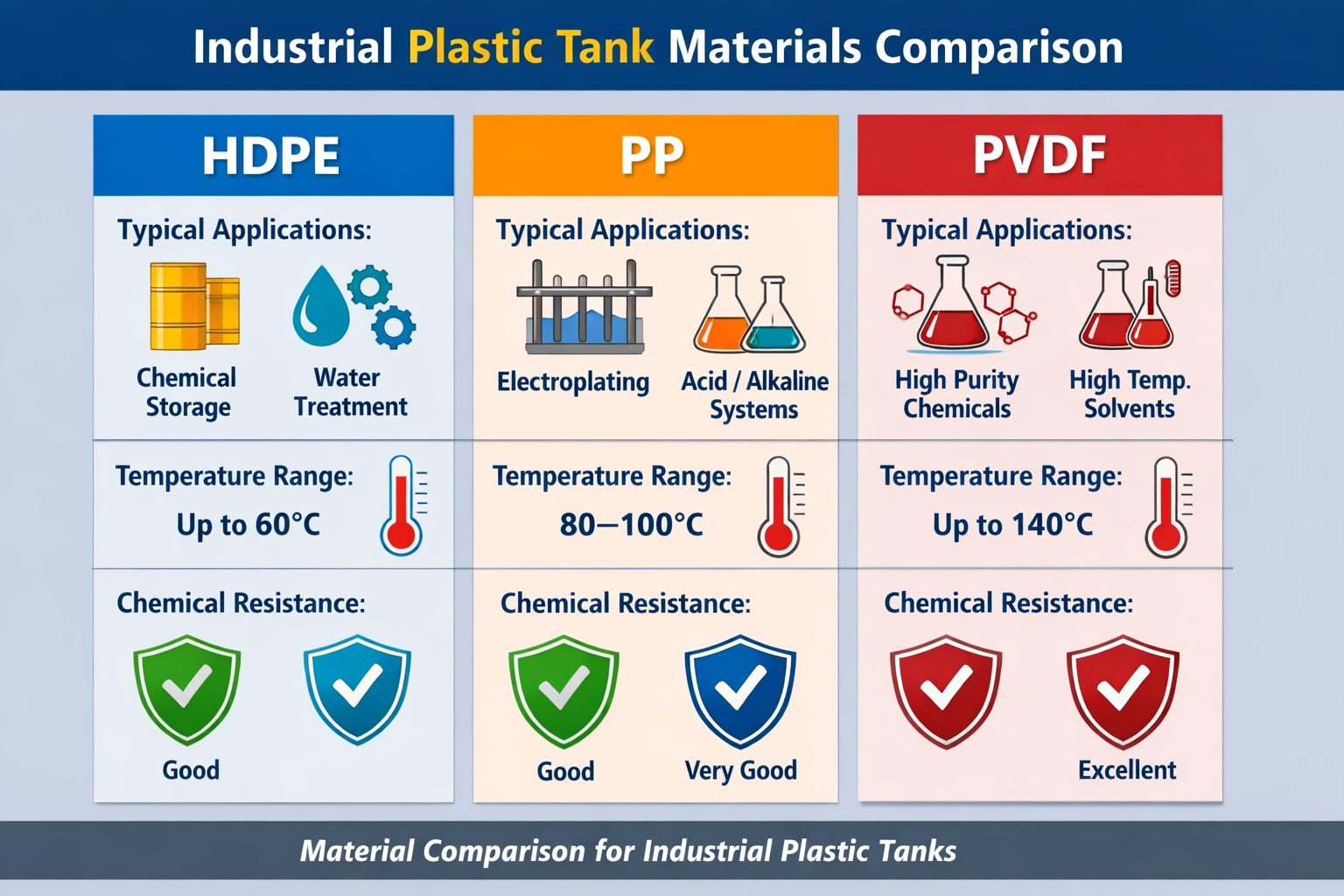
HDPE (High-Density Polyethylene)
Typical applications:
• General chemical storage
• Outdoor installations
• Impact-resistant environments
Typical continuous service temperature:
Up to approximately 60°C, depending on resin grade, wall thickness, chemical exposure, and structural loading conditions.
Common thickness range:
10–40 mm depending on design requirements.
PP (Polypropylene)
Typical applications:
• Acidic or alkaline environments
• Electroplating systems
• Waste gas treatment equipment
Typical continuous service range:
Approximately 80–100°C depending on formulation, load condition, and exposure duration.
Common thickness:
8–30 mm depending on structural engineering calculations.
PVDF
Used when:
Extreme chemical resistance is required
High-temperature solvent storage is involved
2. Engineering Design Considerations for Industrial Plastic Tank Fabrication
The industrial plastic tank fabrication process begins with engineering analysis.
Key design factors include:
• Tank volume (m³)
• Liquid density
• Operating temperature
• Installation environment
• Structural loading conditions
• Seismic considerations if applicable
Structural Reinforcement Planning
Large fabricated tanks may require:
• External rib systems
• Top bracing
• Internal stiffeners
• Supplemental steel framing when necessary
Improper reinforcement design is a primary cause of long-term creep deformation.
3. Industrial Plastic Tank Fabrication Process: Step-by-Step Engineering Workflow
Step 1 – Sheet Cutting & Preparation
• CNC precision cutting
• Edge bevel preparation
• Surface cleaning prior to welding
Recommended alignment tolerance:
Within ±0.5 mm to ensure optimal fusion integrity.
Step 2 – Forming & Rolling
For cylindrical tank sections:
• Controlled rolling diameter
• Uniform heating during bending
• Springback management
Smaller diameters require greater equipment precision.
Step 3 – Butt Welding (Primary Structural Seams)
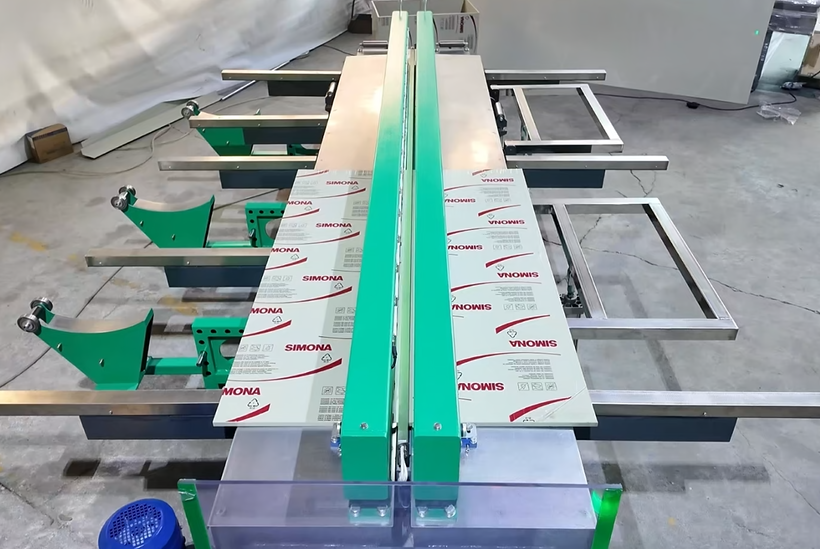
Heated tool butt welding is commonly used for:
• Long panel seams
• Bottom-to-wall connections
• Large structural joints
Critical parameters:
• Heating plate stability (±5°C recommended tolerance)
• Consistent fusion pressure
• Controlled heating time
• Proper cooling phase
Equipment stability significantly affects weld strength.
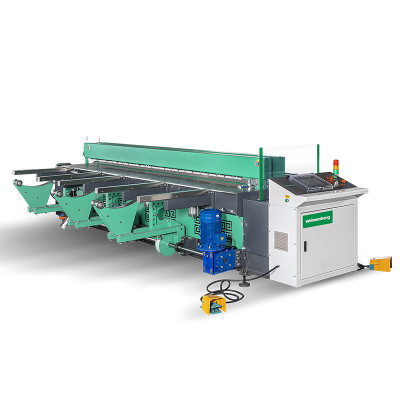
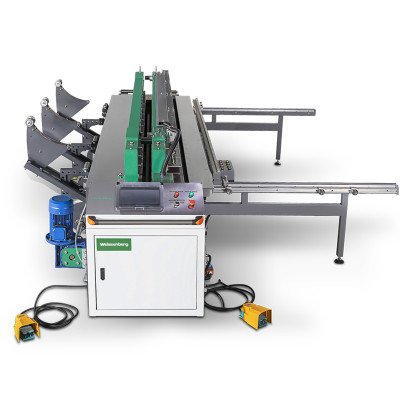
At Weissenberg, industrial butt welding systems are engineered for:
• Uniform heat distribution
• Precision clamping
• Large panel fabrication capacity
• Repeatable weld consistency
Planning to Build or Upgrade Your Industrial Plastic Tank Fabrication Line?
If you are establishing or upgrading an industrial plastic tank fabrication workshop, stable welding systems and consistent temperature control are critical for long-term weld reliability.
Weissenberg provides industrial-grade thermoplastic welding solutions designed specifically for structural tank fabrication environments.
👉 Speak with our technical team:
Step 4 – Extrusion Welding (Structural Reinforcement)
Extrusion welding is typically applied for:
• Corner reinforcement
• Vertical seam strengthening
• Flange collar reinforcement
• Secondary structural bonding
Key control factors:
• Extrusion output rate
• Rod diameter (3 mm / 4 mm typical)
• Melt temperature control
• Travel speed stability
Improper control may result in porosity or weak fusion zones.
Step 5 – Fittings & Accessories Installation
• Outlet nozzles
• Drain valves
• Flange assemblies
• Vent systems
All penetrations should include reinforced collar welding to prevent stress cracking.
4. Quality Assurance in Industrial Plastic Tank Fabrication
Quality assurance is fundamental in the industrial plastic tank fabrication process.
Recommended procedures include:
• Weld parameter documentation
• Visual seam inspection
• Dimensional verification
• Hydrostatic testing
Hydrostatic test duration varies by project specification. Many industrial buyers request extended 4–24 hour hold tests, although requirements may differ depending on application standards.
Documentation should include:
• Welding procedure specifications
• Operator qualification records
• Inspection logs
5. Engineering Application Scenario (Representative Example)
The following example represents a typical industrial plastic tank fabrication workflow. No confidential project information is disclosed.
Application: Industrial chemical storage tank
Material: PP-H
Thickness: 20 mm
Volume: Approx. 50 m³
Environment: Acidic wastewater handling
Structural measures:
• External rib reinforcement
• Reinforced nozzle collars
• Optimized seam distribution
Fabrication route:
• CNC panel cutting
• Heated tool butt welding for primary seams
• Extrusion welding reinforcement
• Flange collar reinforcement
Inspection:
• Weld parameter recording
• Visual inspection
• Dimensional verification
• Extended hydrostatic testing per project requirement
No leakage observed during the testing phase.
Technical Configuration Summary
| Item | Specification |
| Tank Type | Fabricated thermoplastic tank |
| Material | PP-H |
| Thickness | 20 mm |
Welding | Butt welding + extrusion reinforcement |
Reinforcement | External rib system |
Testing | Hydrostatic + visual inspection |
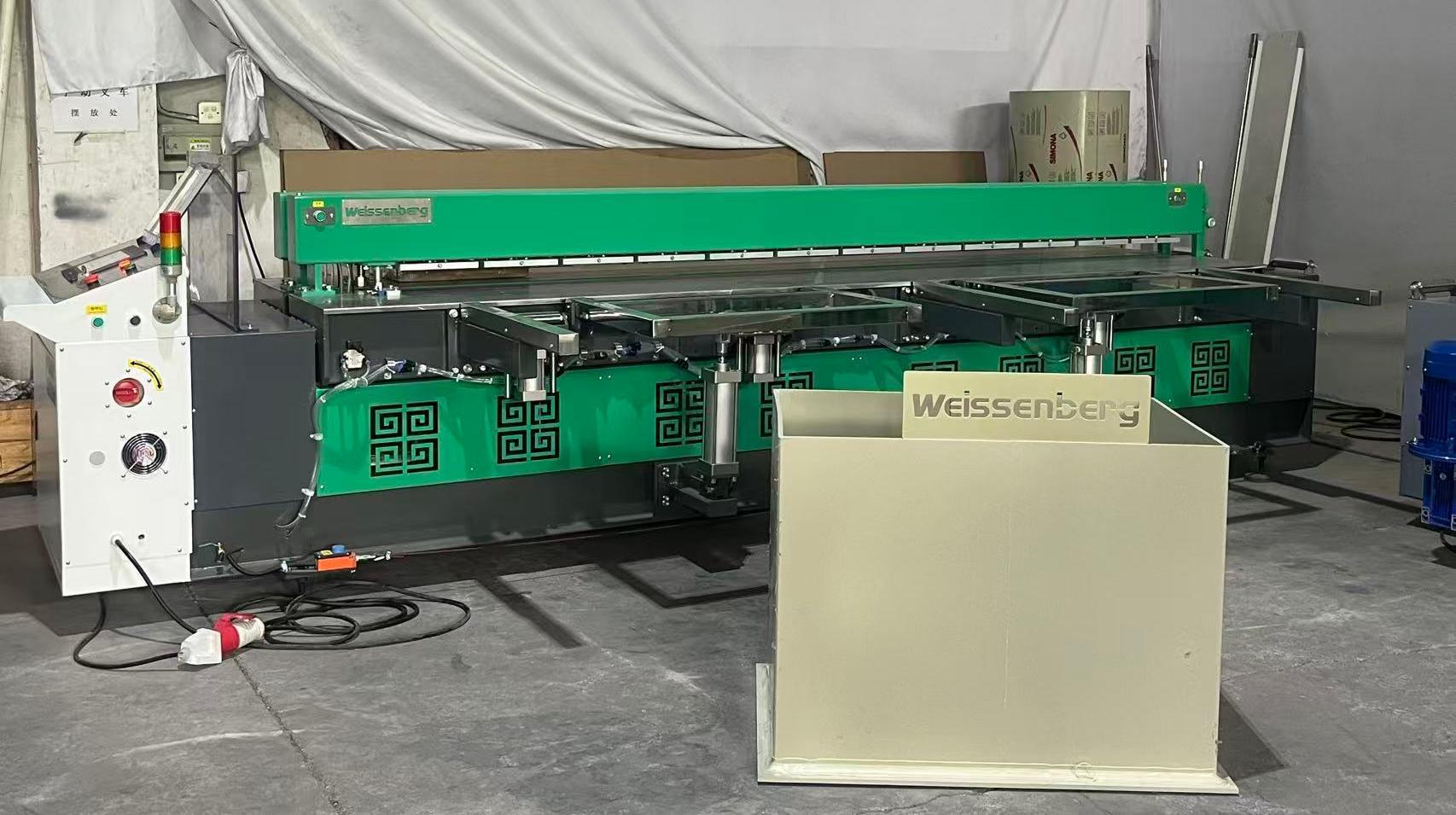
6. Equipment Required for Industrial Plastic Tank Fabrication Workshops
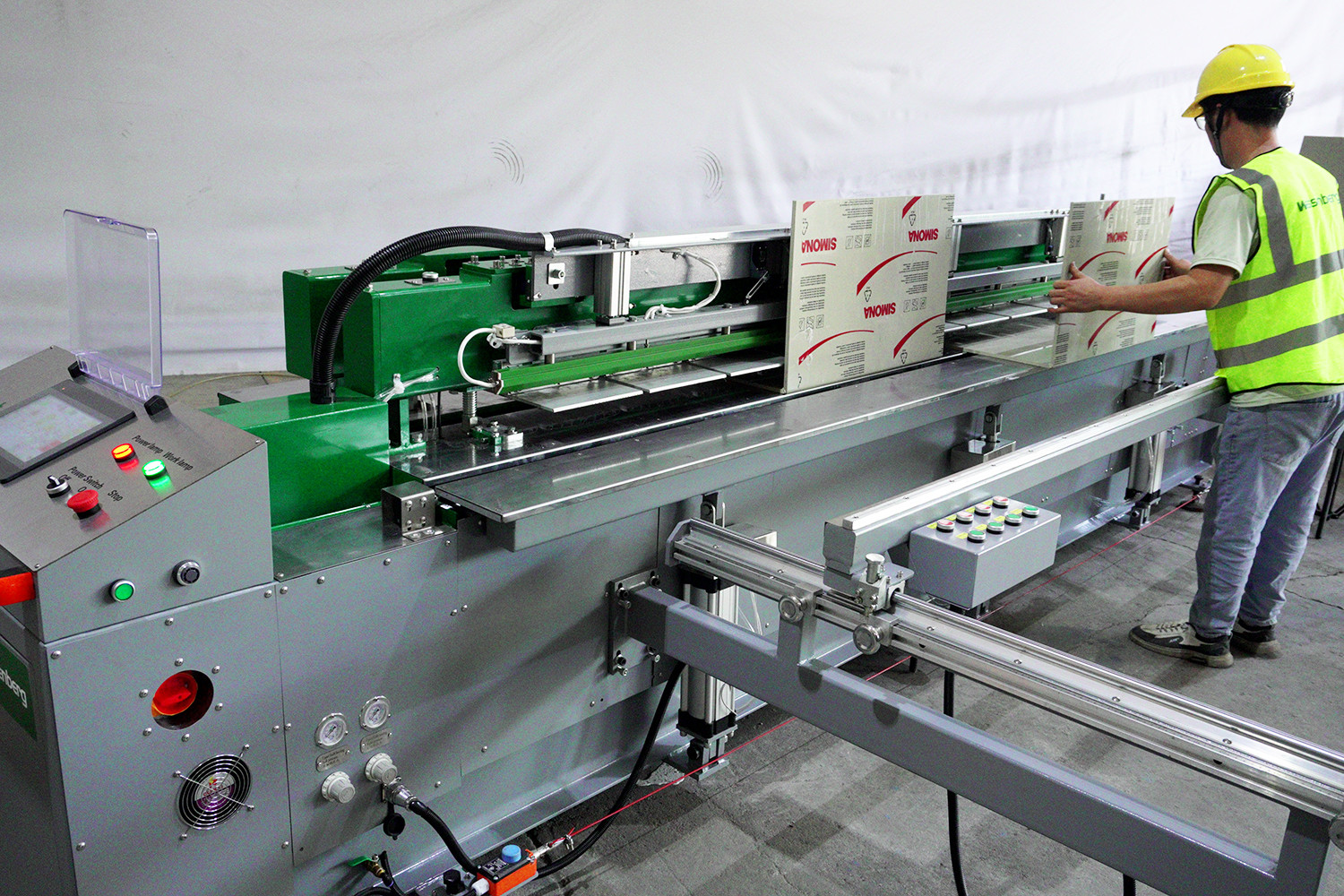
Essential equipment includes:
• Industrial butt welding machines
• Extrusion welding systems
• Sheet-bending equipment
• Rolling machines
• CNC cutting systems
Explore our plastic sheet welding machines for industrial tank and thermoplastic fabrication.
7. How Is Industrial Plastic Tank Fabrication Different from Rotational Molding?
Industrial plastic tank fabrication uses thermoplastic sheets welded together, allowing:
• Custom structural design
• Reinforcement integration
• Variable wall thickness
• Large-capacity industrial applications
Rotational molding is typically used for smaller standardized tanks.
8. What Is the Strongest Welding Method for Industrial Plastic Tank Fabrication?
Heated tool butt welding is generally used for primary structural seams due to full material fusion and uniform seam thickness.
Extrusion welding is typically applied for reinforcement and corner joints rather than primary structural seams.
9. How Long Does an Industrial Plastic Tank Last?
Service life depends on:
• Material selection
• Operating temperature
• Chemical exposure
• Structural reinforcement
• Welding quality
Properly engineered and fabricated tanks can operate reliably for many years under controlled conditions.
Final
Modern industrial plastic tank fabrication combines engineered design, controlled thermoplastic welding, structural reinforcement planning, and documented quality assurance.
When treated as engineered manufacturing rather than simple plastic joining, fabricated tanks deliver long-term structural reliability and operational safety.
Weissenberg supports global fabricators with thermoplastic welding systems designed for professional industrial plastic tank fabrication environments. For a deeper comparison, see our guide on plastic sheet welding machine selection.
👉 Contact our team for equipment planning support:
👉 Contact our team for equipment planning support:
https://www.weissenbergwelder.com/contact-us.htm