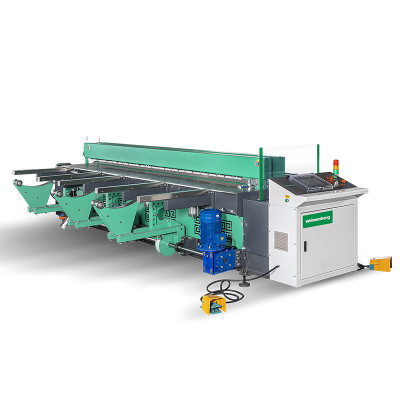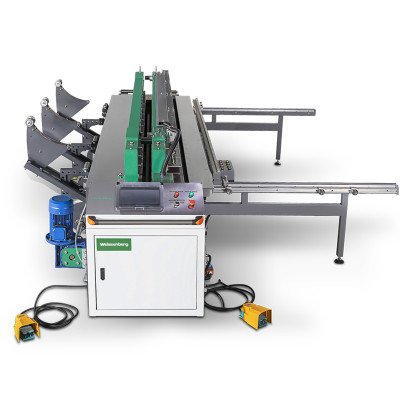
Integrating CNC Controls in 2-in-1 Thermoplastic Welding & Bending Systems
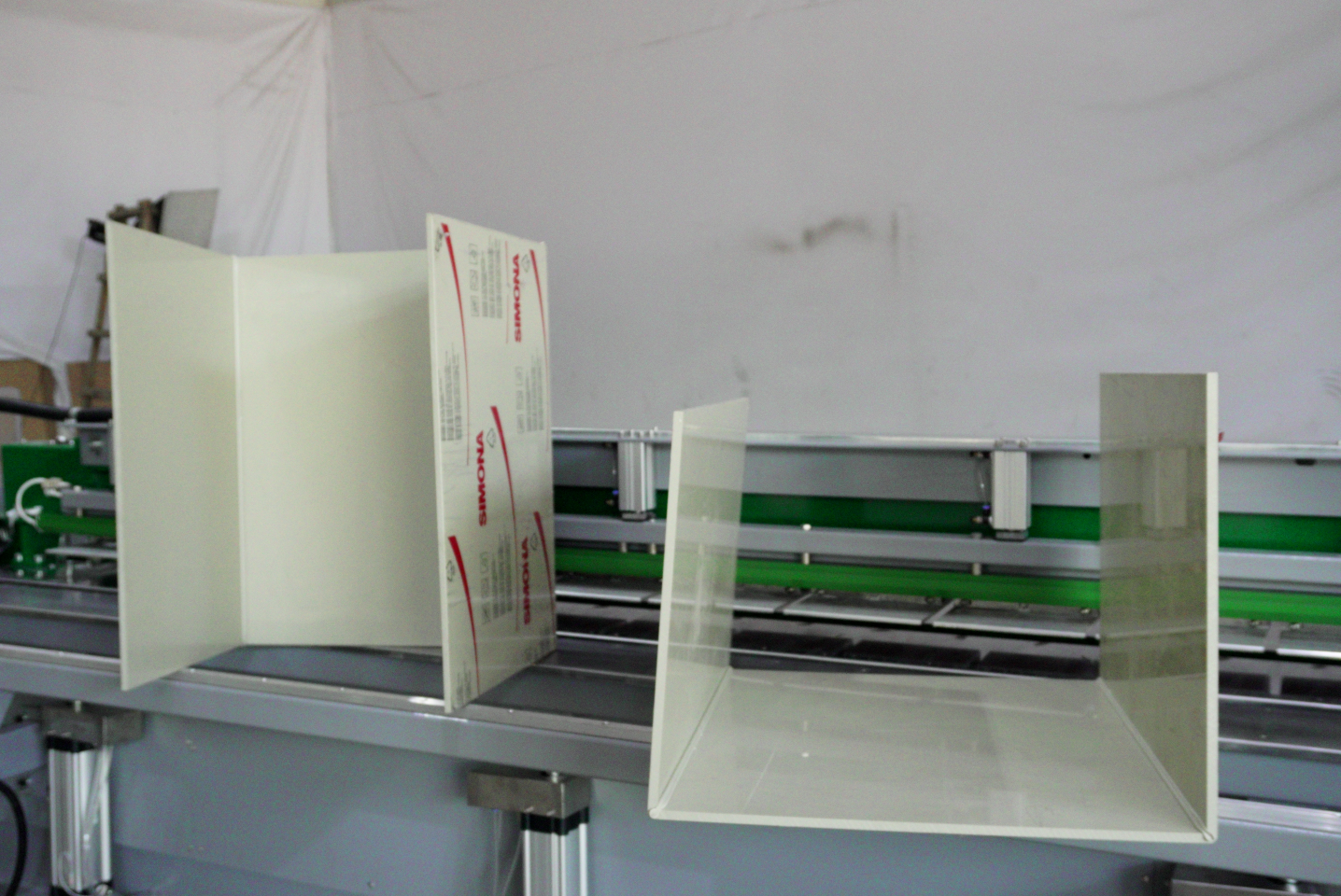
Introduction — Why CNC Matters in Thermoplastic Fabrication
Thermoplastic sheet fabrication is rapidly shifting toward automation, process stability, and predictable quality, especially in industries handling corrosive media, hazardous fumes, or long-life industrial components.
Unlike metal fabrication—where CNC lasers, press brakes, and robotic welding have existed for decades—plastic sheet welding and bending remained operator-dependent. With the rise of 2-in-1 welding & bending systems, the relationship between heating, pressure, and cooling has become more visible:
When these variables are inconsistent, geometry, structural strength, and angle accuracy become highly variable.
This is exactly where CNC automation begins to reshape expectations in the plastics industry.
This article explains how CNC controls are integrated into combined welding & bending systems, which control functions matter, how process sequencing works, and when CNC automation makes sense (and when it doesn't).
1. The Automation Gap in Plastic Sheet Fabrication
Traditional thermoplastic sheet fabrication depends heavily on:
• Visual heating judgment
• Manual timing
• Manual pressure application
• Manual cooling
• Visual weld inspection
This introduces variability such as:
Limitation | Result |
Manual heating | Overheating or cold welds |
Manual pressure | Inconsistent bead formation |
| Manual cooling | Residual stress variability |
| Operator dependency | Skill-based outcomes |
| No data logging | No traceability or QA |
At the same time, PVC, PP, HDPE, PVDF, and CPVC are increasingly replacing metals in:
✔ Chemical processing
✔ Air treatment & ventilation
✔ Wastewater equipment
✔ Environmental enclosures
✔ Laboratory exhaust systems
These industries value:
• Repeatability
• Traceability
• Compliance
• Multi-shift consistency
This explains why CNC integration is gaining traction.
2. Core CNC Control Functions in 2-in-1 Systems
A CNC-enabled welding & bending system orchestrates four technical domains:
2.1 Thermal Control (Heating Domain)
CNC regulates:
• Heater temperature
• Soak duration
• Heater blade position
• Material compensation
• Thickness compensation
• PID stability
This matters because melt windows differ significantly:
• HDPE: high elasticity, slow thermal conductivity
• PVC: low melt temperature, prone to discoloration
• PP: high springback
• PVDF: narrow melt window
CNC removes guesswork and improves consistency.
2.2 Force & Pressure Control (Welding Domain)
CNC manages:
• Butt fusion pressure
• Alignment pressure
• Fusion pressure
• Cooling hold pressure
Pressure directly influences:
✔ Molecular diffusion
✔ Interfacial wetting
✔ Weld bead formation
✔ Final strength
Too low = incomplete fusion
Too high = material starvation
2.3 Cooling & Crystallization Control
CNC manages:
• Cooling duration
• Cooling pressure
• Clamp release timing
• Airflow influence (especially PVC)
Cooling impacts:
✔ Residual stress
✔ Dimensional accuracy
✔ Springback during bending
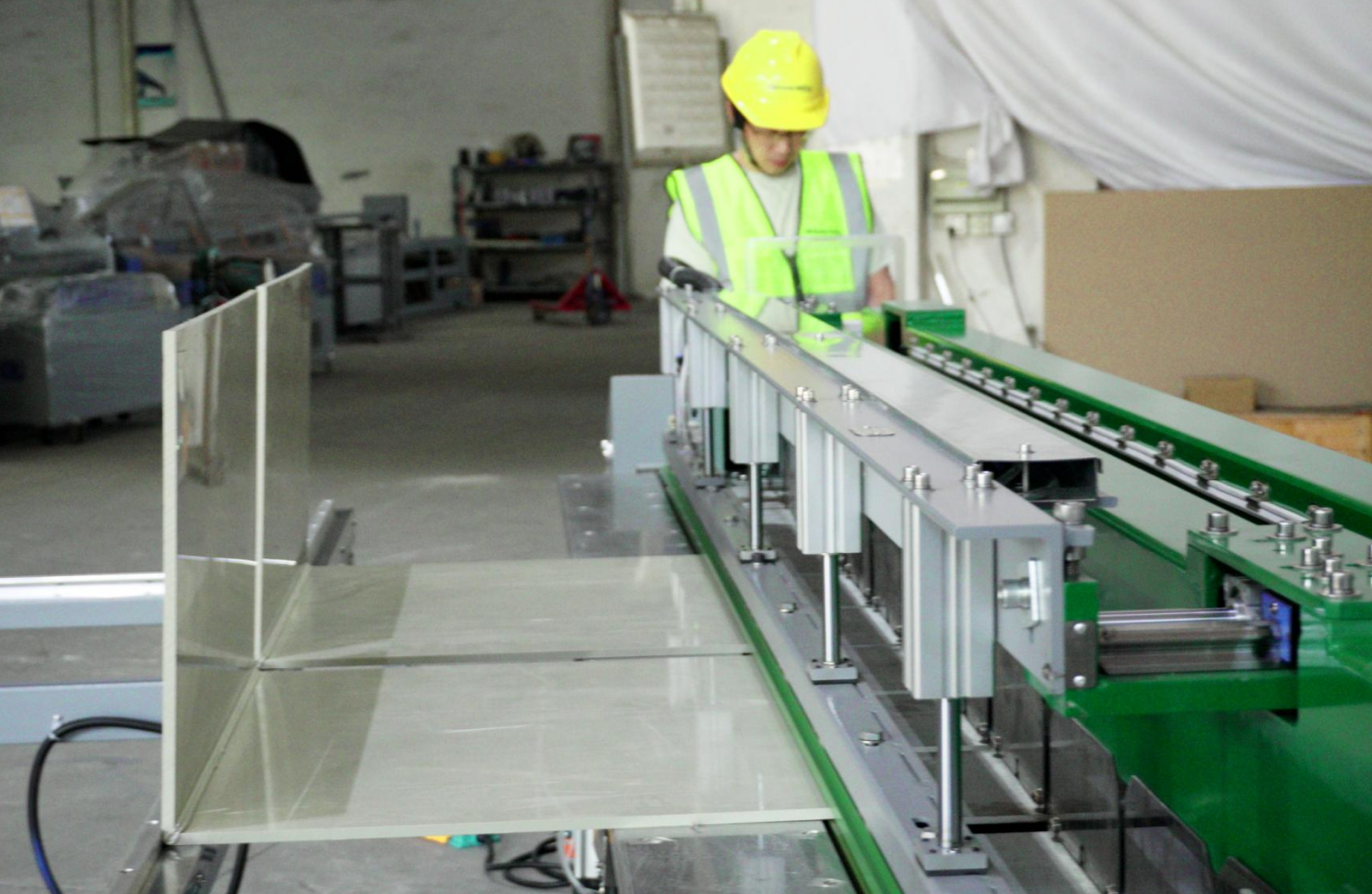
2.4 Angle & Motion Control (Bending Domain)
CNC coordinates:
• Bending angle (±0.1° resolution)
• Bending speed
• Dwell time
• Springback compensation
• Thickness compensation
Material springback behaviors vary:
Material | Springback |
| HDPE | High |
| PP | High |
| PVDF | Medium |
| PVC | Low |
This is why CNC angle compensation is valuable.
3. Process Sequencing & Control Logic
CNC integration is not only about controlling variables—it is about sequencing dependent operations.
A standard weld → bend workflow:
Heating → Soak → Alignment → Fusion Pressure → Cooling Hold → Bend Zone Heating → Angle Forming → Angle Cooling → Unload
Differences by material:
HDPE 20–25 mm Example
• Slow thermal conductivity
• High elasticity → high springback
• Cooling time affects dimensional accuracy
PVC 8–10 mm Example
• Low melt temperature
• Prone to overheating and discoloration
• Low springback
• Sensitive to airflow during cooling
With CNC profiles, operators select:
• HDPE_20mm_Butt_Bend
• PVC_10mm_Bend
• PP_25mm_Butt
instead of manual trial-and-error.
4. Material, Thickness & Thermal Compensation Profiles
Thermoplastics vary in:
• Melt temperature
• Softening point
• Crystallinity
• Thermal expansion
• Modulus
• Springback behavior
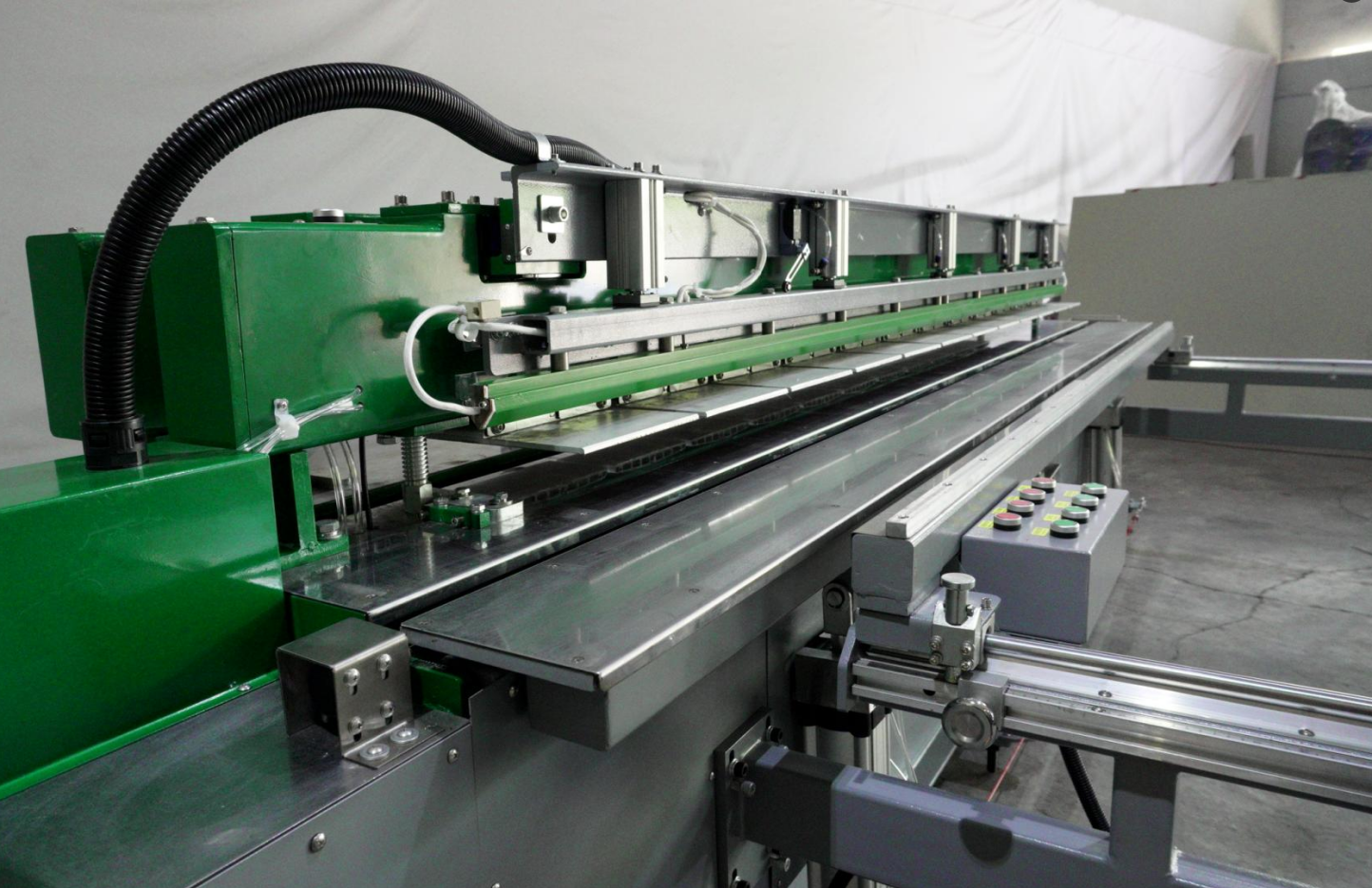
Reference table:
| Material | Melt Behavior | Springback | CNC Impact |
HDPE | Semi-crystalline | High | Essential for angle compensation |
PP | Semi-crystalline | High | Improves repeatability |
| PVC | Amorphous | Low | Prevents overheating & discoloration |
| PVDF | Semi-crystalline | Medium | Narrow melt window |
| CPVC | Amorphous | Low | Prevents charring & bubbling |
Thickness adds another dimension:
Going from 15 mm → 25 mm increases thermal mass non-linearly.
CNC compensates via:
✔ Dwell time
✔ Heater offsets
✔ PID tuning
✔ Cooling adjustments
Manual operation cannot easily manage this.
5. Data Logging, Traceability & Compliance
As thermoplastics enter regulated industrial environments, documentation becomes as important as mechanical performance.
CNC provides three key advantages:
5.1 Data Logging for QA
Parameters that can be logged include:
• Temperature curves
• Pressure curves
• Cooling time
• Bend angle & dwell time
• Material & thickness inputs
Useful for:
✔ OEM audits
✔ Supplier qualification
✔ Warranty cases
✔ In-house QA
✔ Continuous improvement
5.2 Traceability for Industrial Buyers
CNC can store:
• Operator ID
• Time stamps
• Job numbers
• Material specs
• Program versions
Traceability builds confidence.
5.3 Compliance & Standardization
In Europe, DVS 2207 / 2212 provides guidelines for thermoplastic welding.
Requirements include:
✔ Controlled temperature
✔ Controlled pressure
✔ Controlled cooling
✔ Repeatability
CNC turns these into machine-controlled parameters.
6. Reducing Operator Dependency & Skill Variability
Historically, plastic fabrication suffered from:
✔ Different quality across shifts
✔ Different quality across operators
✔ Limited scalability
CNC transforms this model.
6.1 Program-Based Process Control
Instead of:
“Heat until it looks ready.”
Operators select:
• Material
• Thickness
• Program profile
CNC enforces the rest.
6.2 Lower Skill Dependency
CNC does not remove the need for trained technicians, but it:
✔ Reduces training time
✔ Reduces errors
✔ Improves consistency
✔ Supports multi-shift operations
6.3 Multi-Site Consistency
CNC allows:
✔ Satellite production
✔ Job outsourcing
✔ Multi-site QA alignment
✔ Documentation matching
This matters for OEM customers.
7. When CNC Makes Sense (and When It Doesn’t)
A credible technical article must explain boundaries.
7.1 CNC Makes Sense When:
✔ Multiple materials (PVC / PP / HDPE / PVDF)
✔ Thick plates (6 mm → 40 mm)
✔ Requires traceability
✔ OEM batch production
✔ Multi-shift operations
✔ Skilled labor costly or unavailable
✔ Tight angle tolerances required
Fast-growing sectors include:
• Air handling & ventilation
• Chemical & wastewater equipment
• Environmental enclosures
• Laboratory exhaust & fume scrubbers
7.2 CNC Might Be Overkill When:
❌ Low production volume
❌ Single material, single thickness
❌ No traceability requirements
❌ Highly skilled operators with consistent output
❌ No bending requirements
Example:
A small custom shop making one-off PP drip trays may not need CNC.
8. CNC Integration Benefits Specific to 2-in-1 Systems
CNC provides coordination, not just automation.
Key benefits:
(A) Process Sequencing
Example:
Weld HDPE 20 mm → Cool → Heat Bend Zone → Bend to 92° → Cool → Final 90°
(B) Material Libraries
Including:
• Melt window
• Thermal conductivity
• Elastic modulus
• Springback curve
(C) Angle Compensation
HDPE / PP:
• Bend to 92° → cool → final 90°
PVC:
• Bend to 90° → final 90°
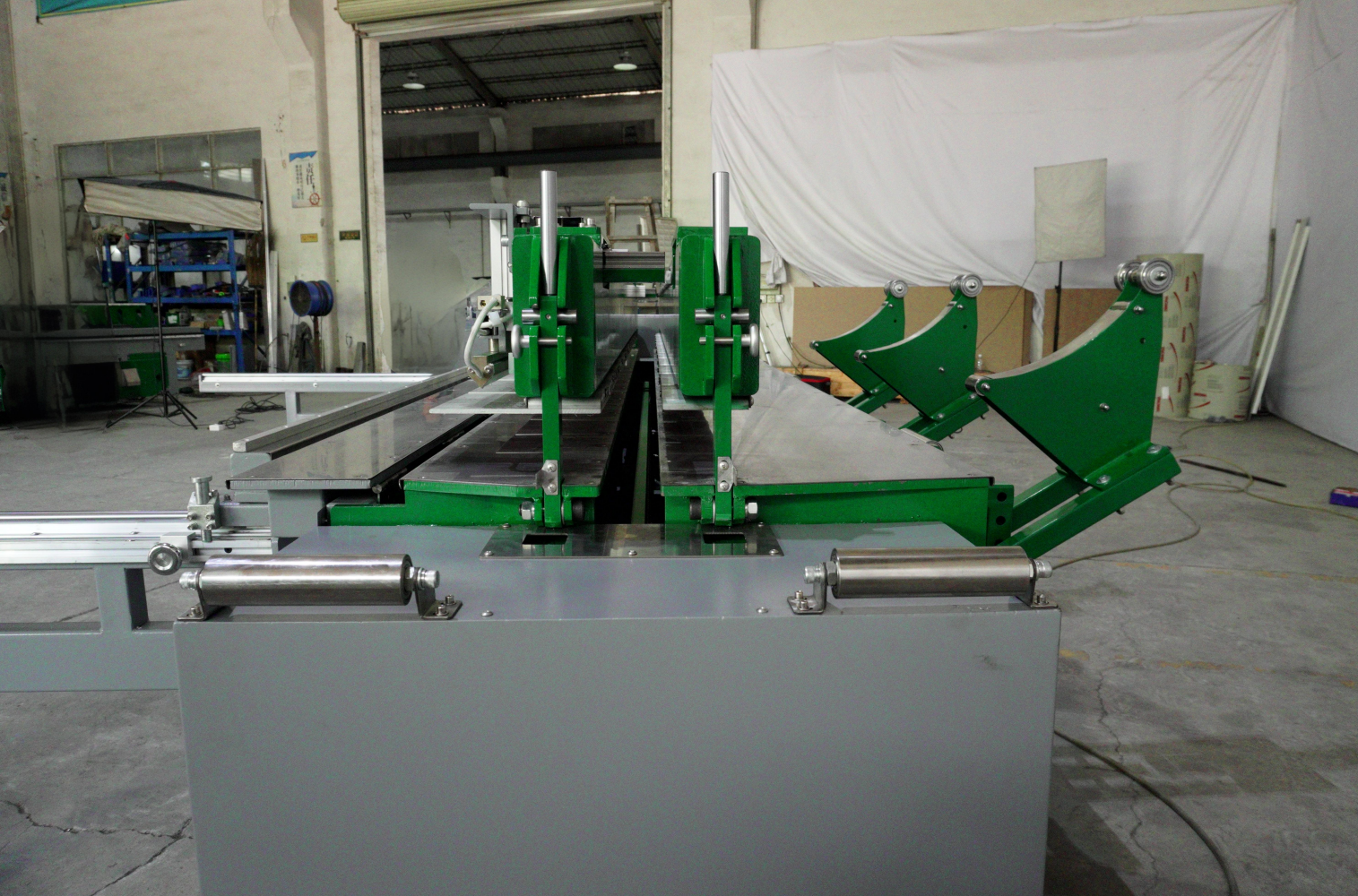
(D) Operator Interface (HMI)
A good HMI includes:
✔ Program selection
✔ Material/Thickness input
✔ Curve visualization
✔ Alarms & errors
9. Natural Knowledge Linking
At this point, many readers may ask:
“Why choose a 2-in-1 system at all?”
For a deeper understanding of the mechanical, economic, and layout advantages of combined welding & bending systems, see:
Additionally, real-world workshop transformations—where CNC reduces labor dependency and improves workflow—can be explored here:
These links help contextualize CNC integration within broader fabrication strategies.
10. Closing Notes
CNC integration in thermoplastic fabrication is not about making machines “smart” for its own sake—it is about making industrial production less fragile. As corrosion-resistant air handling systems, wastewater equipment, and chemical containment solutions expand across North America and Europe, workshops are reevaluating how welding and bending interact.
For manufacturers evaluating 2-in-1 systems, the real question is not:
“Is CNC modern?”
but:
“Does CNC reduce skill dependency and increase consistency for our workload?”
Where it fits, the impact is practical and immediate.