
Where Plastic Sheets Meet Unbreakable Joints
Replacing Uneven Heating: WeiBond 1500 Upgrade for a Canadian Plastic Fabricator
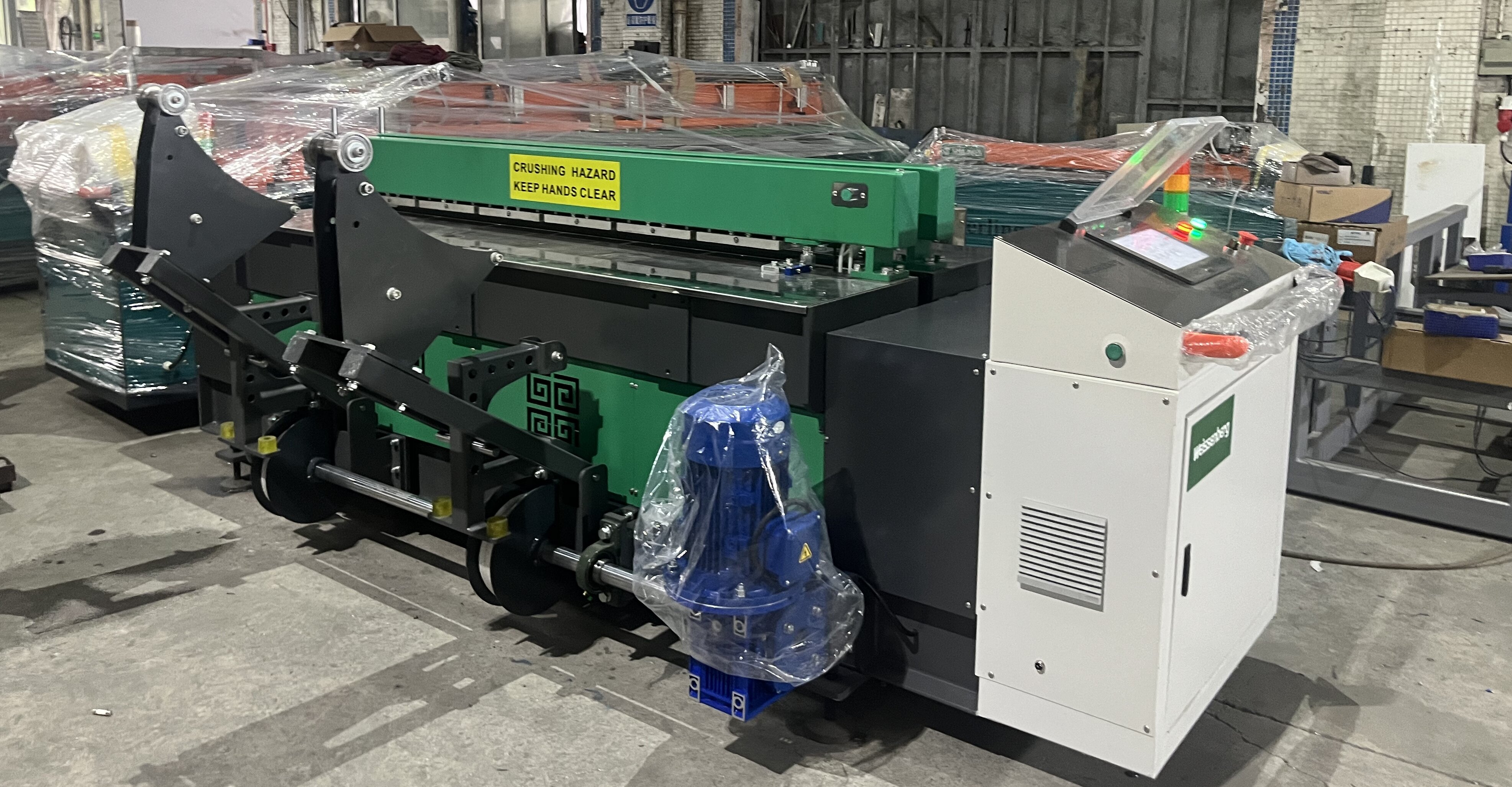
WeiBond 1500 with rolling auxiliary configuration installed at the Canadian customer's factory.A Canadian plastic fabricator selected a WeiBond 1500 plastic sheet butt welder with a rolling auxiliary device after experiencing heating problems with a previous lower-cost welding machine.
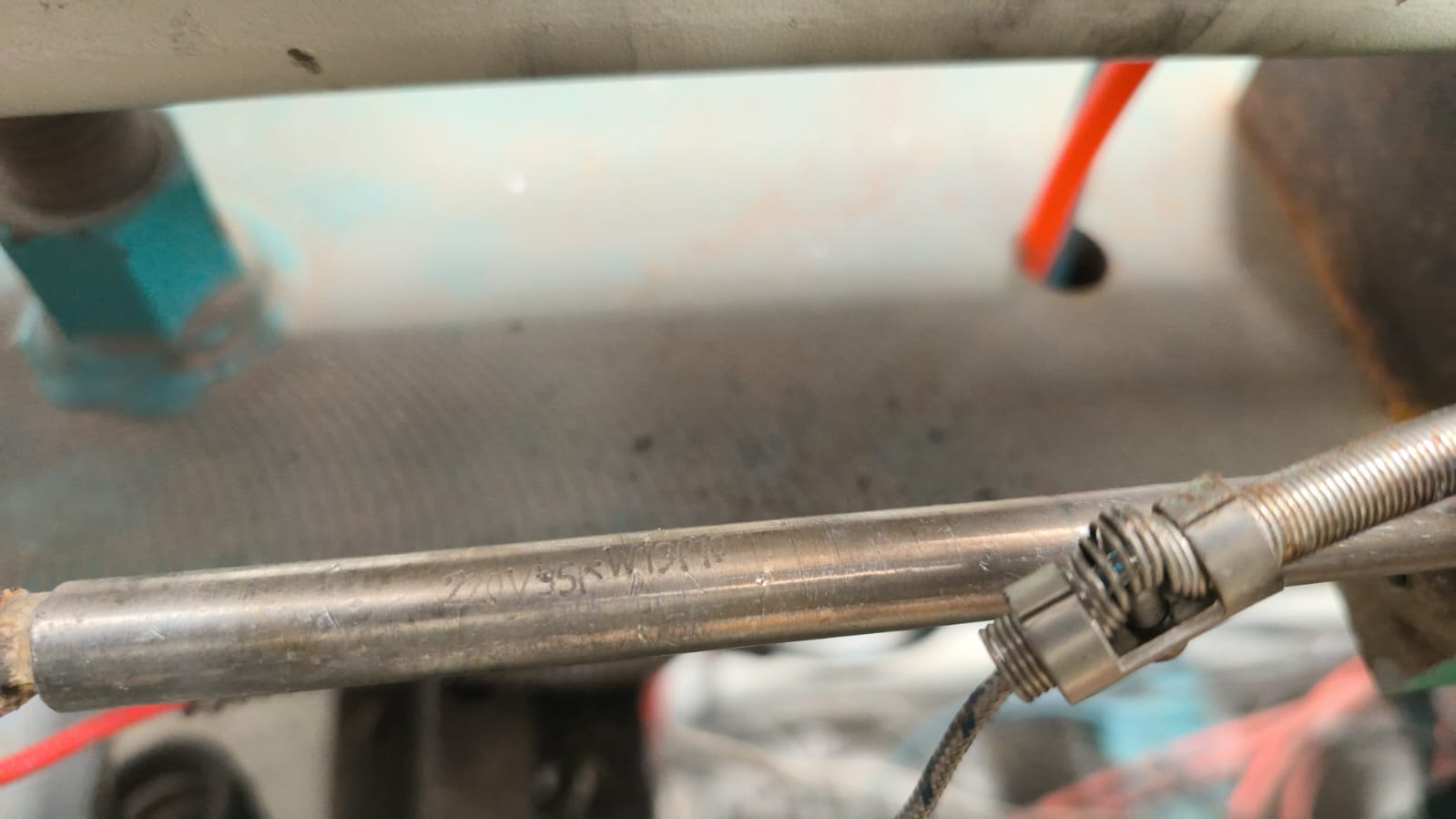
According to the customer's experience, the earlier machine used a relatively simple heating system with a single tubular heating element. After a relatively short period of operation, the heating plate developed noticeable temperature differences and uneven heating.
For the replacement machine, heating stability became one of the key purchasing considerations. The WeiBond 1500 is designed to maintain heating-plate temperature within approximately ±5°C, while the optional rolling auxiliary device adds flexibility for curved and cylindrical thermoplastic fabrication.
Project at a Glance
| Market | Canada |
|---|---|
| Selected Machine | WeiBond 1500 |
| Maximum Working Width | 1,500 mm |
| Welding Thickness | 3–15 mm for PE, PP and PVDF |
| Heating Plate Stability | Approximately ±5°C |
| Maximum Heating Temperature | 260°C |
| Additional Configuration | Rolling auxiliary device |
| Main Process | Plastic sheet butt welding |
| Additional Capability | Support for curved and cylindrical sheet fabrication |
| Process Reference | DVS 2207 |
| Certification | CE |
| Main Replacement Reason | Uneven heating on the customer's previous lower-cost machine |
Why the Customer Decided to Replace the Previous Welder
The customer had already used another plastic sheet welding machine before selecting the WeiBond 1500.
The previous machine was purchased at a lower price and used a relatively simple heating configuration with a single tubular heating element. After a relatively short period of operation, the customer began experiencing problems with the heating plate.
The most important issue was uneven temperature distribution. Different areas of the heating plate were no longer heating consistently, making the heating stage less predictable across the sheet joint.
This experience changed the customer's priorities when selecting the replacement machine. Price was no longer the only consideration. Heating-plate construction, temperature stability and long-term process consistency became much more important.
Why Heating Plate Uniformity Matters in Plastic Sheet Butt Welding
Heated-tool butt welding depends on both sheet edges receiving appropriate thermal input before they are brought together under joining pressure.
If one area of a long heating plate is significantly hotter or cooler than another, different sections of the joint can experience different heating conditions. One area may receive insufficient heat while another may move closer to excessive melting or material-specific degradation.
This is why heating-plate stability should be considered a process-control specification, rather than simply a temperature number shown on the machine display.
A ±5°C temperature-stability specification does not by itself guarantee weld strength. Final weld quality still depends on the correct parameters for the material and thickness, sheet preparation, alignment, pressure, heating time, changeover time and cooling conditions.
However, tighter heating-plate temperature control removes one important source of process variation and helps provide more repeatable heating conditions along the joint.
How Weissenberg Designs for More Uniform Heating
Heating-plate performance depends on more than the temperature controller. The quality of the heating element, its distribution inside the plate and its stability during repeated heating and cooling cycles all influence how evenly heat is delivered across the working surface.
Weissenberg focuses on three important construction details.
Consistent Heating-Wire Quality
Electrical resistance directly affects the amount of heat generated by the heating element.
Weissenberg selects heating wire with controlled and consistent resistivity to reduce unwanted differences in heat generation along the heating circuit.
More consistent electrical characteristics provide a better foundation for uniform heat distribution across the plate.
Uniform Winding and Distribution
Heating-wire quality alone is not enough.
The element also needs to be distributed evenly inside the heating plate. If the winding density varies significantly, some areas may receive more heat while other areas receive less.
During manufacturing, the heating element is arranged with controlled spacing and distribution to support more consistent heat output across the working surface.
Insulating Powder for Internal Stability
The heating element is surrounded by insulating filling material inside the heating structure.
In addition to providing electrical insulation, the filling helps stabilize the heating element during repeated heating and cooling cycles.
This helps reduce unwanted movement or deformation caused by thermal expansion and contraction, supporting more consistent element positioning and heat distribution over time.
Heating Plate Stability Within Approximately ±5°C
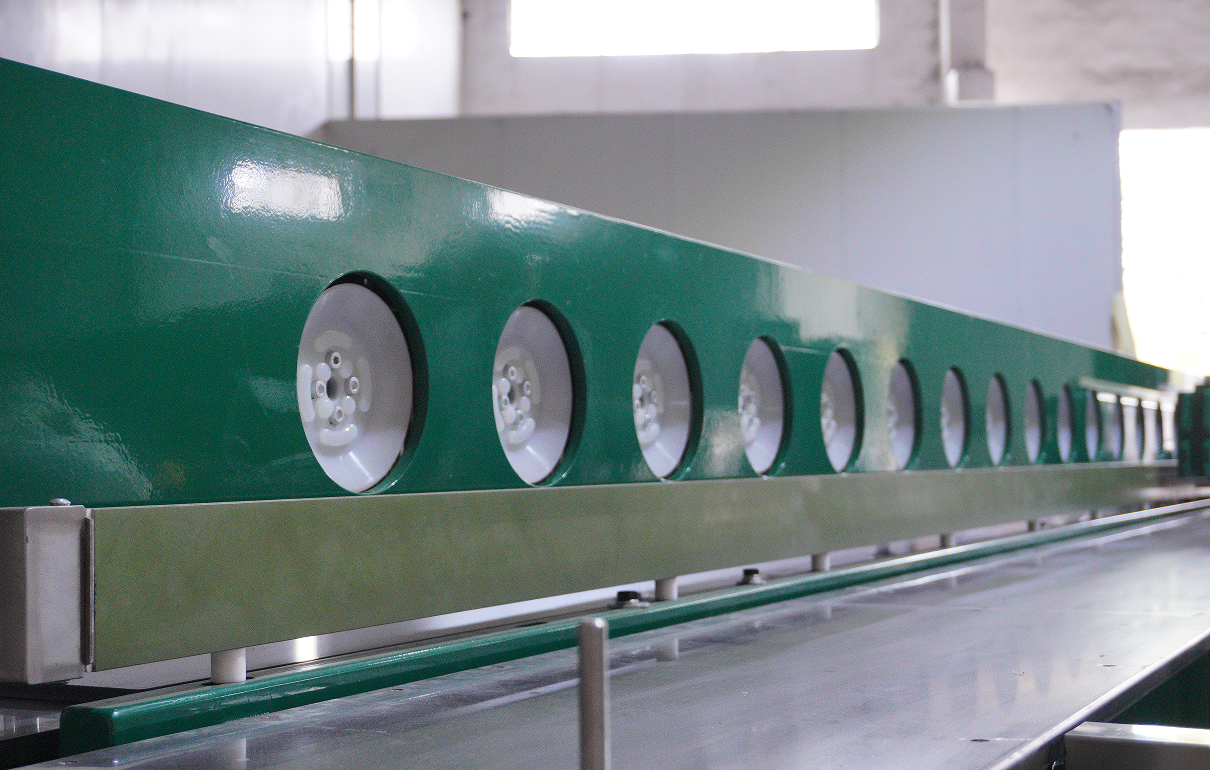
The WeiBond 1500 is designed to maintain heating-plate temperature variation within approximately ±5°C across the working area.
For the Canadian customer, this specification directly addressed one of the main problems experienced with the previous machine: inconsistent temperature across the heating surface.
The value of tighter temperature stability is not that ±5°C automatically produces a strong weld.
Instead, it reduces one source of process variation, allowing temperature conditions to remain more consistent when the correct welding parameters and procedures are applied.
| Heating-System Consideration | Customer's Previous Machine | WeiBond 1500 Approach |
|---|---|---|
| Customer experience | Uneven heating developed after relatively short use | Heating plate designed for more stable temperature distribution |
| Heating element | Single tubular heating element | Heating-wire system designed around controlled resistance and distribution |
| Element distribution | Customer experienced uneven plate temperature | Controlled winding spacing and internal arrangement |
| Thermal cycling | Heating stability became a maintenance concern | Insulating filling helps stabilize the internal heating element during expansion and contraction |
| Temperature stability | Not consistently maintained in the customer's experience | Approximately ±5°C heating-plate temperature stability |

Why the Customer Selected the WeiBond 1500
Heating stability was an important reason for replacing the previous machine, but machine size also needed to match the customer's actual fabrication requirements.
The WeiBond 1500 provides a maximum working width of 1,500 mm, making it a compact option for workshops that do not require the larger footprint and working length of a 3-, 4- or 6-meter machine.
For PE, PP and PVDF, the machine is specified for sheet thicknesses from 3 to 15 mm.
Buyers comparing other working widths can explore the Weissenberg Plastic Sheet Butt Welder range to match machine size and sheet-thickness capability to their production requirements.
This reflects an important equipment-selection principle: the most appropriate machine is not necessarily the largest machine.
Working width should be selected around actual sheet dimensions, finished-part geometry and expected production requirements.
Adding a Rolling Auxiliary Device for Curved Fabrication
The Canadian customer did not select a standard flat-welding configuration only. The WeiBond 1500 was also equipped with Weissenberg's optional rolling auxiliary device.
A plastic sheet butt welder is primarily designed to join sheets in a flat working position.
When the fabricated component also requires curved or cylindrical geometry, additional handling and forming support can make the overall workflow more practical.
The rolling auxiliary device expands the practical flexibility of the WeiBond 1500 by supporting suitable thermoplastic sheet fabrication involving curved sections.
It should not be confused with a dedicated heavy-duty plate rolling machine. Its role is to assist suitable thermoplastic sheet fabrication where welding and curved forming are part of the same production process.
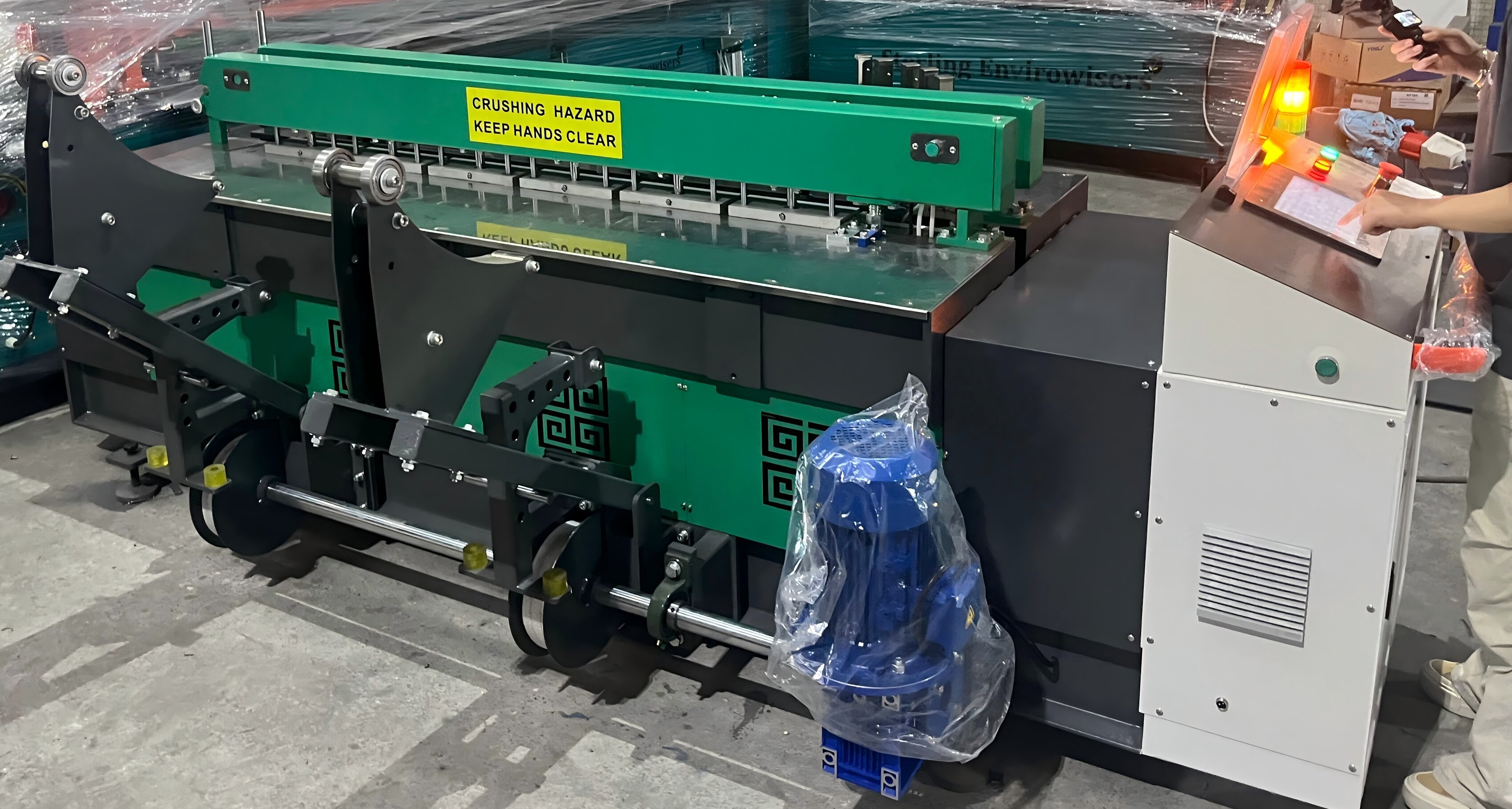
Flat Welding and Curved Fabrication in One Workshop Setup
The selected configuration gives the Canadian customer two complementary fabrication capabilities within one compact setup.
| Fabrication Stage | Equipment / Function | Purpose |
|---|---|---|
| Sheet alignment | WeiBond 1500 | Positions thermoplastic sheets for butt welding |
| Heating | WeiBond heating plate | Provides controlled heating with approximately ±5°C temperature stability |
| Sheet joining | WeiBond 1500 | Performs thermoplastic sheet butt welding |
| Curved-section handling | Rolling auxiliary device | Supports suitable curved and cylindrical fabrication tasks |
What This Canadian Project Shows Other Buyers
This project highlights why purchase price alone is not enough when comparing industrial plastic sheet welding machines.
Two machines may appear similar when compared only by working width, maximum temperature and basic specifications.
Long-term heating stability also depends on how critical internal components are designed and manufactured.
For a heating plate, important considerations include:
- consistency of heating-wire electrical resistance;
- uniformity of heating-element winding and distribution;
- internal element stability during repeated thermal cycling;
- temperature consistency across the working surface;
- repeatable heating conditions over continued production.
The Canadian customer had already experienced the cost of choosing a machine whose heating performance became unreliable after relatively limited use.
The replacement decision therefore placed greater emphasis on process stability, heating-plate construction and a machine configuration matched to the actual fabrication requirement.
Questions to Ask When Comparing Plastic Sheet Butt Welders
- How uniform is the heating plate temperature across the full working width?
- What temperature-stability tolerance does the manufacturer specify?
- How is the heating element distributed inside the plate?
- How consistent is the electrical resistance of the heating wire?
- How is the heating element stabilized during repeated thermal expansion and contraction?
- Does the manufacturer perform heating-plate temperature testing?
- Does the machine working width match the components you actually fabricate?
- Do you need auxiliary functions such as rolling assistance for curved parts?
Project Result
The final Canadian configuration combines a WeiBond 1500 plastic sheet butt welder with a rolling auxiliary device.
Compared with the customer's previous experience, the replacement-machine decision placed greater emphasis on heating stability and process consistency rather than purchase price alone.
- 1,500 mm maximum working width;
- 3–15 mm welding range for PE, PP and PVDF;
- approximately ±5°C heating-plate temperature stability;
- heating-plate construction based on consistent heating-wire quality;
- controlled heating-element winding and distribution;
- insulating filling to help stabilize the heating element during thermal cycling;
- optional rolling auxiliary equipment for curved thermoplastic fabrication;
- a replacement configuration selected after the customer's previous machine developed uneven heating.
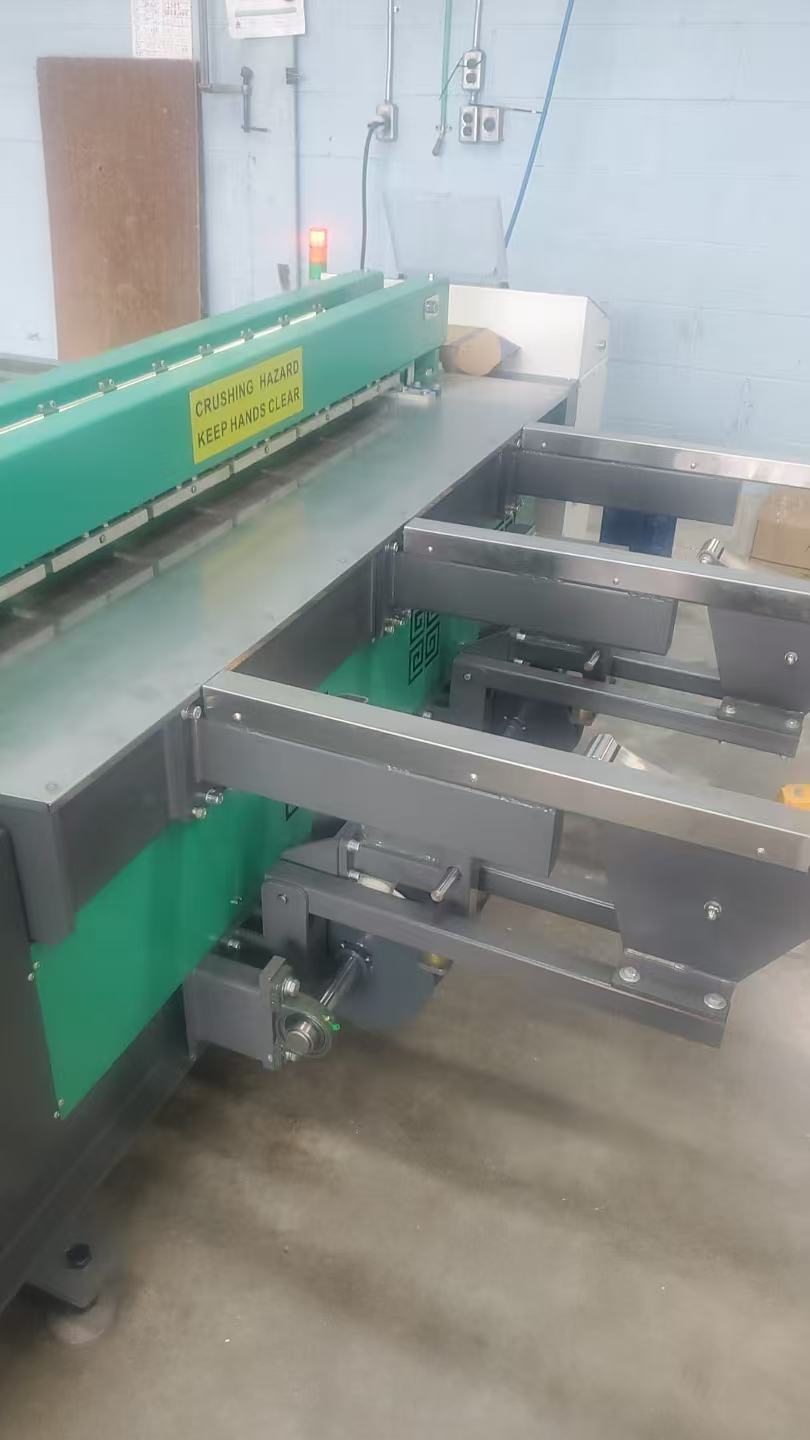 WeiBond 1500 with rolling auxiliary configuration installed at the Canadian customer's factory.
Experiencing Uneven Heating on Your Current Sheet Welder?
Tell us your sheet material, thickness, working width, current heating problem and whether your fabrication also involves curved or cylindrical sections.
We can help you evaluate not only machine size, but also heating-plate stability and the auxiliary configuration required for your production.
Are you looking for a reliable manufacturer of down home textile products?
We can quickly provide customers with market analysis, technical support and customized services.Where Plastic Sheets Meet Unbreakable Joints
Get Your Solution With Weissenberg Welder
- Name
- Phone
- *Title
- *Content