Inside a Chemical Tank Fabrication Workshop: What Happens Before a Tank Leaves the Factory Introduction
Introduction
A chemical storage tank may appear simple from the outside.
However, before a tank leaves a fabrication workshop, it typically goes through weeks of planning, material preparation, welding, forming, inspection, and quality verification.
For experienced fabricators, producing a reliable tank is not simply about joining plastic sheets together. It is about controlling every step of the manufacturing process.
Every decision—from material selection to welding quality—can influence the tank's long-term performance.
This article takes you inside a typical thermoplastic fabrication workshop to explore what really happens before a chemical tank is delivered to the customer.
Step 1: Understanding Project Requirements
Every tank project begins long before fabrication starts.
Manufacturers first need to understand:
• What chemical will be stored?
• What is the operating temperature?
• How large will the tank be?
• Will the tank be installed indoors or outdoors?
• What service life is expected?
The answers to these questions influence material selection, structural design, fabrication methods, and production planning.
A tank designed for sodium hydroxide storage may require a different fabrication strategy than a wastewater treatment tank or an electroplating tank.
Successful fabrication starts with understanding the application.
Before fabrication begins, experienced manufacturers evaluate material selection, fabrication methods, and project requirements. These considerations are discussed in detail in our guide:
Step 2: Choosing the Right Material
Material selection is one of the most important decisions in thermoplastic tank manufacturing.
The most common materials include:
Polypropylene (PP)
Often used for:
• Chemical process tanks
• Electroplating tanks
• Scrubber systems
• Higher-temperature applications
• High-Density Polyethylene (HDPE)
Often used for:
• Bulk storage tanks
• Water treatment applications
• Outdoor installations
• Impact-resistant environments
Experienced fabricators evaluate materials not only from a chemical resistance perspective but also from a manufacturing perspective.
The chosen material affects welding parameters, bending performance, structural rigidity, and long-term reliability.
Step 3: Preparing Plastic Sheets
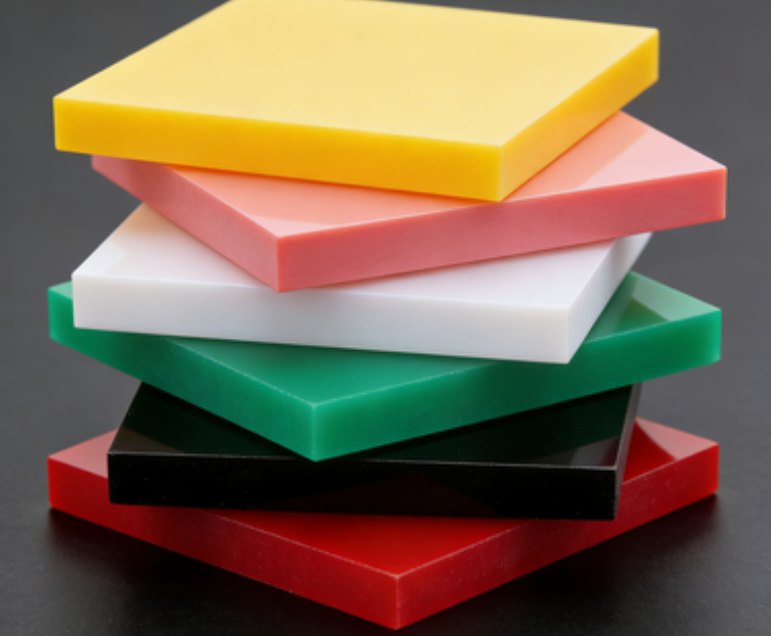
Once the material is selected, fabrication moves to sheet preparation.
This stage typically includes:
• Sheet cutting
• Edge preparation
• Material inspection
• Dimensional verification
Accuracy during preparation is essential.
Even small dimensional deviations can affect panel alignment and final assembly quality.
For large tanks, proper preparation helps prevent costly rework later in production.
Step 4: Welding Large Tank Panels
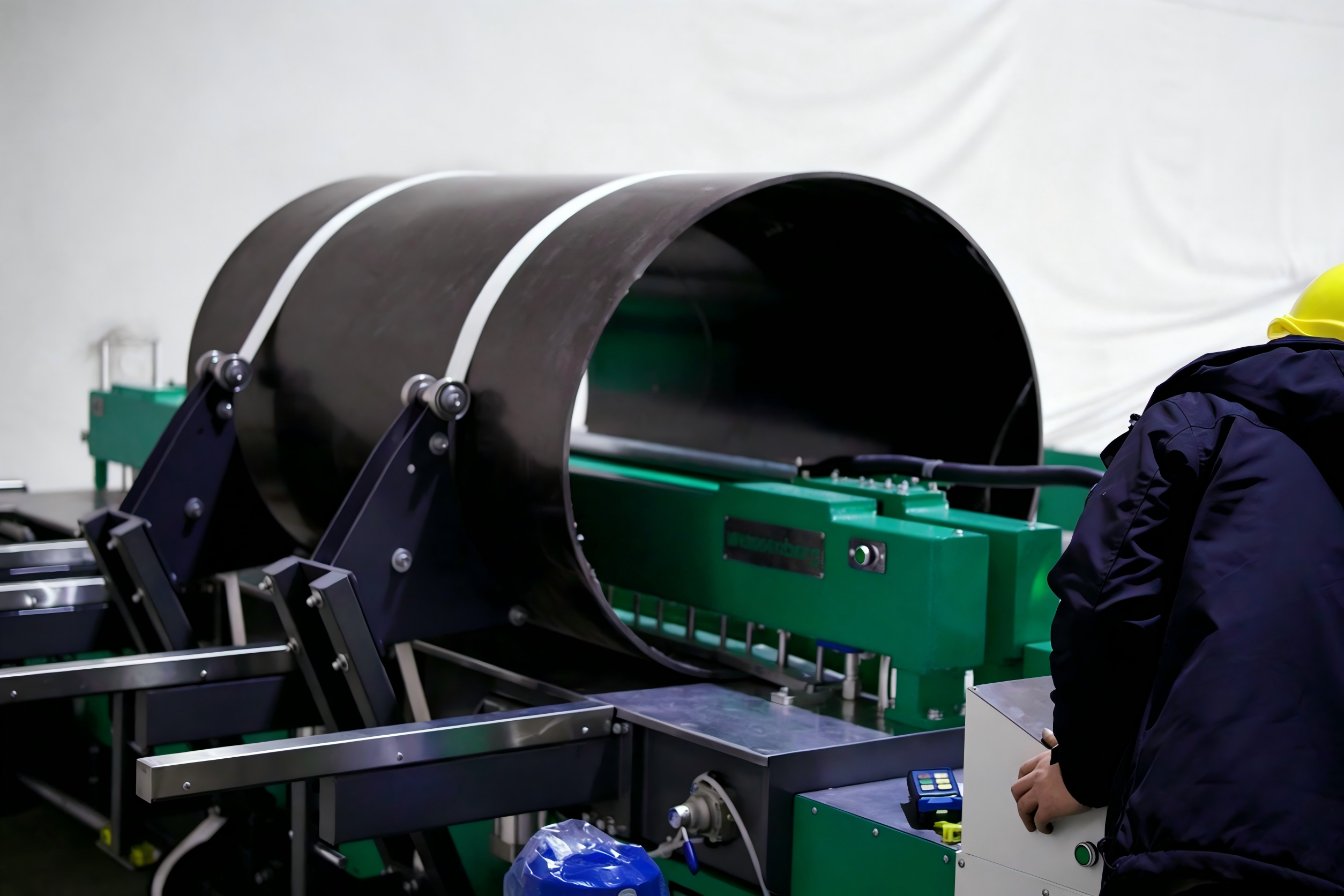
After preparation, fabrication enters one of the most critical stages: panel welding.
Large tank walls are usually assembled by joining multiple plastic sheets together.
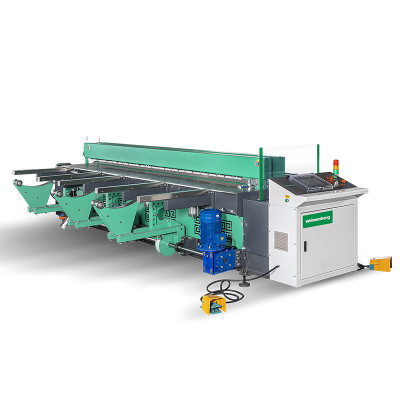
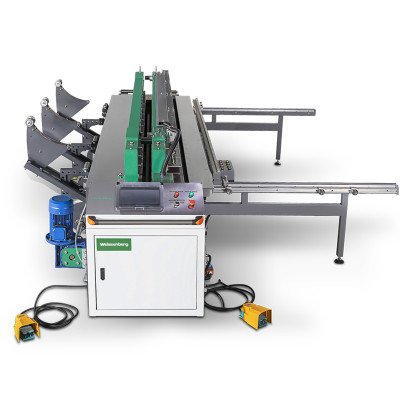
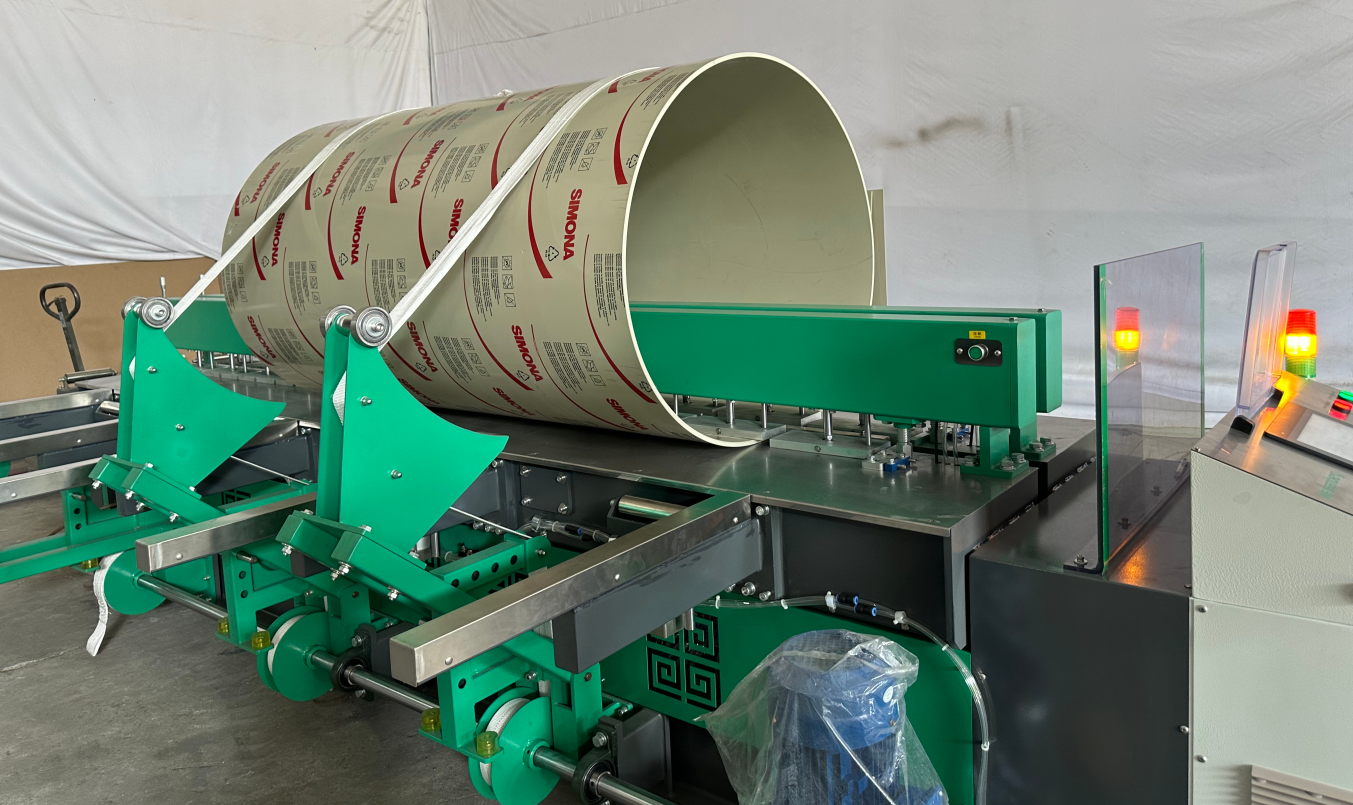
To achieve strong and consistent welds, many fabricators rely on dedicated plastic sheet welding machines to achieve strong, consistent joints when manufacturing large thermoplastic tank panels.
Compared with manual welding methods, butt welding offers:
• Better alignment
• More consistent welding beads
• Improved repeatability
• Higher production efficiency
As tank sizes increase, welding consistency becomes increasingly important.
A high-quality weld today can prevent expensive failures years later.
Step 5: Real Challenges During Tank Fabrication
Even with careful planning, fabrication rarely goes exactly as expected.
Experienced manufacturers know that many challenges appear during production.
Handling Large Plastic Sheets
As tanks become larger, sheet handling becomes more difficult.
Large panels must be positioned accurately to maintain proper alignment throughout the fabrication process.
Maintaining Welding Consistency
Chemical tanks often contain multiple long weld seams.
Maintaining consistent temperature, pressure, and alignment across every weld is essential for long-term reliability.
Preventing Deformation
Large thermoplastic panels may deform during fabrication if they are not properly supported.
Fabricators must carefully manage welding sequences, support structures, and reinforcement layouts.
Meeting Delivery Schedules
Customers expect both quality and timely delivery.
Balancing production efficiency with quality control is one of the daily challenges faced by fabrication workshops.
Understanding and managing these challenges often separates experienced fabricators from inexperienced ones.
As structures become larger, fabrication logic changes significantly. We explored this topic further in our article, Large Thermoplastic Structures Require Different Fabrication Logic.
Step 6: When a Workshop Uses Butt Welding for the First Time
Not every fabricator starts with advanced thermoplastic welding equipment.
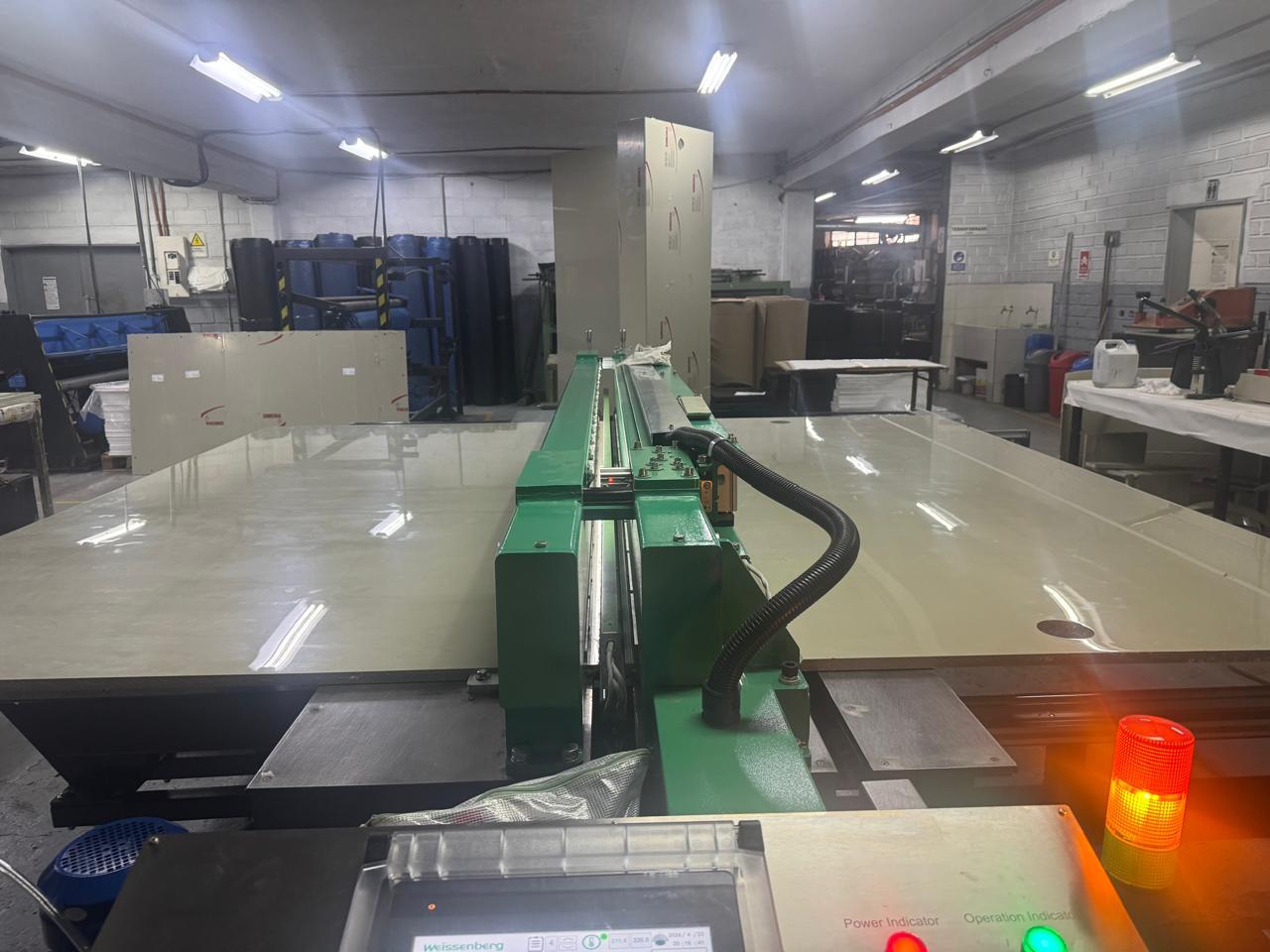
Many workshops begin with manual welding methods and gradually adopt butt welding technology as project requirements grow.
One of the most common concerns is:
Is the process difficult to learn?
In practice, many fabricators find that the learning curve is much shorter than expected.
Modern butt welding systems are designed to simplify production rather than complicate it.
At Weissenberg, we have seen customers with little previous butt welding experience become comfortable with the process after only a few practice sessions.
Clear operating procedures, intuitive controls, and repeatable welding cycles help reduce dependence on operator experience.
For growing fabrication businesses, the transition from manual welding to dedicated butt welding equipment often results in:
• Improved welding consistency
• Higher production efficiency
• Better product quality
• Reduced rework
As demand for thermoplastic tanks continues to grow, more workshops are adopting professional sheet welding systems to support their expansion.
Step 7: Bending and Forming Components
Many tanks require more than flat welded panels.
Fabricators may also produce:
• Tank covers
• Side walls
• Internal partitions
• Structural components
Plastic sheet bending machines help achieve accurate bending angles while improving production efficiency.
For many projects, welding and bending work together to create the final structure.
Step 8: Installing Reinforcements and Structural Components
As tank size increases, structural design becomes increasingly important.
Fabricators often install:
• Reinforcement ribs
• Support structures
• Internal stiffeners
• Connection flanges
These components help maintain dimensional stability and improve long-term reliability.
This stage is particularly important for large rectangular tanks and process vessels.
Step 9: Inspection and Quality Verification
Before shipment, every tank should undergo a series of inspections.
Typical checks include:
• Dimensional verification
• Visual inspection
• Welding bead evaluation
• Leak testing
• Structural assessment
For professional manufacturers, quality control is not a final step.
It is part of every stage of production.
Step 10: Preparing for Delivery
After inspection is completed, the tank is prepared for shipment.
Depending on project requirements, this may involve:
• Partial assembly
• Modular transportation
• Protective packaging
• Installation planning
For large industrial tanks, transportation considerations are often incorporated into the design stage long before fabrication begins.
More Than a Tank
When customers see a completed chemical storage tank, they see the finished product.
Fabricators see something different.
They see:
• Material selection
• Welding quality
• Structural design
• Manufacturing experience
• Quality control
Every successful tank represents hundreds of decisions made throughout the fabrication process.
Understanding those decisions is what separates ordinary fabrication from professional thermoplastic manufacturing.
Final Thoughts
Chemical tank fabrication is much more than simply joining plastic sheets together.
It is a combination of engineering knowledge, fabrication experience, material expertise, and manufacturing discipline.
From project planning and material selection to welding, reinforcement, inspection, and delivery, every stage contributes to the final quality of the tank.
As thermoplastic storage systems become increasingly popular across chemical processing, water treatment, and environmental industries, fabricators who invest in reliable processes and professional equipment will be better positioned to deliver consistent, high-quality results.
Looking for Thermoplastic Tank Fabrication Solutions?
Weissenberg provides plastic sheet butt welding machines, plastic sheet bending machines, and integrated fabrication solutions for thermoplastic manufacturers worldwide.
Whether you manufacture chemical storage tanks, electroplating tanks, scrubber systems, or custom industrial equipment, our team is ready to help improve your fabrication quality and production efficiency.