Why Large Thermoplastic Structures Require Different Fabrication Logic
Introduction
As environmental and industrial projects continue to increase in scale, manufacturers are being pushed toward larger thermoplastic fabrication systems than ever before.
As thermoplastic fabrication projects continue to increase in size, manufacturers are discovering that large-format structures require a completely different fabrication approach compared with smaller standard products.
In many industrial applications today, thermoplastic systems are no longer limited to small tanks or simple welded parts.
Instead, manufacturers are increasingly producing:
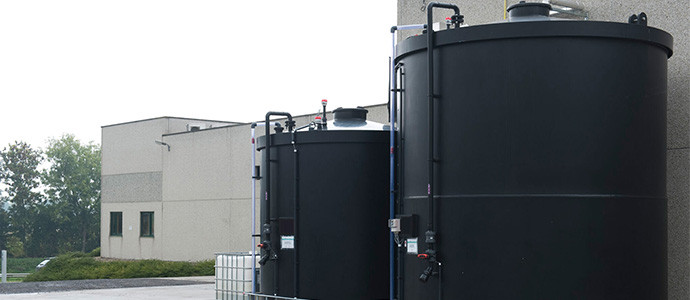
• large chemical storage tanks
• wastewater treatment systems
• industrial ventilation structures
• scrubber systems
• fire water tanks
• custom thermoplastic process equipment
As the structure size increases, fabrication challenges also change significantly.
Large thermoplastic fabrication is no longer simply about welding sheets together — it requires a combination of structural control, thermal consistency, machine stability, and long-length processing capability.
Large Structures Behave Differently During Fabrication
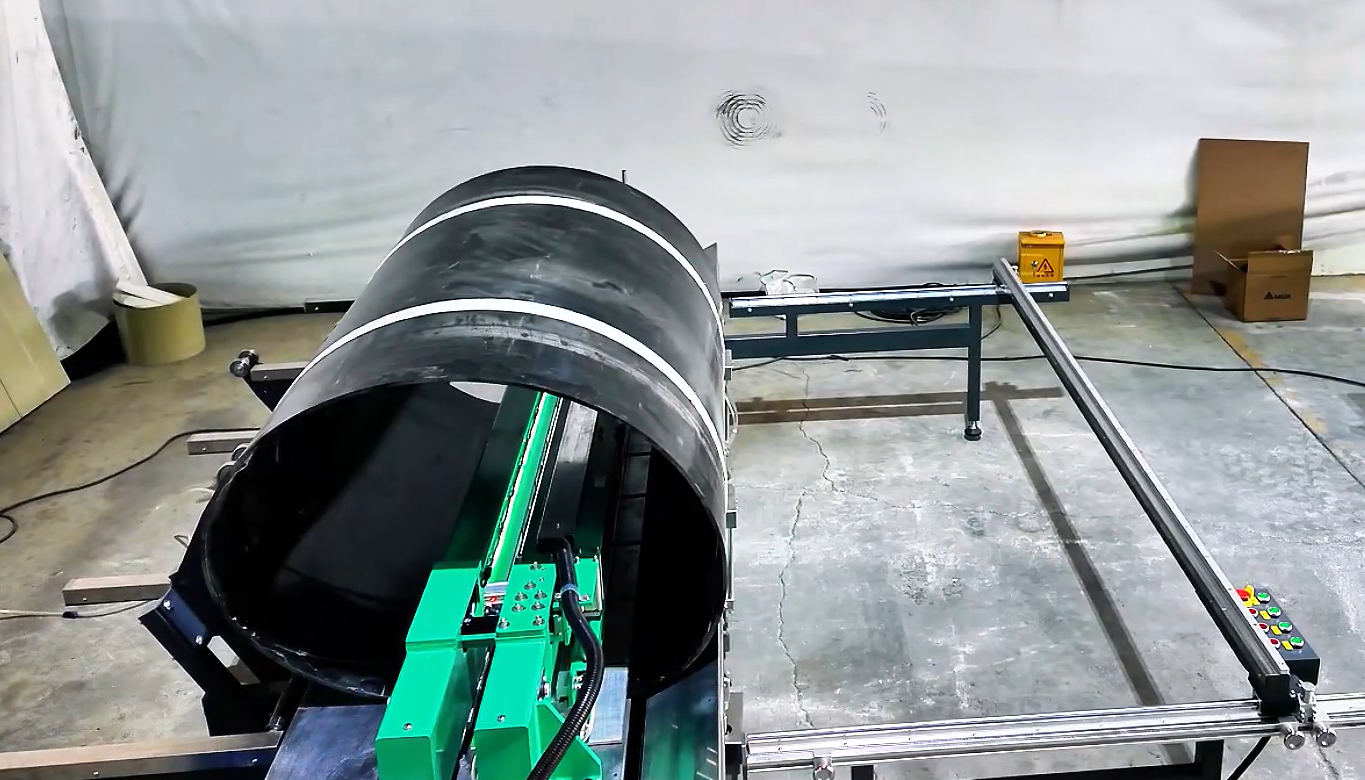
One of the biggest differences in large thermoplastic fabrication is that material behavior becomes far more sensitive as structure dimensions increase.
For smaller parts, slight deformation or dimensional variation may have minimal impact.
However, in large-format fabrication projects, even small inconsistencies can create major problems during:
• sheet alignment
• welding
• bending
• assembly
• transportation
• final installation
Long thermoplastic sheets are more sensitive to:
• thermal expansion
• deformation during heating
• structural movement
• uneven stress distribution
As a result, fabrication stability becomes significantly more important than simple processing speed.
Welding Beads Become More Critical
In large thermoplastic structures, welding bead quality becomes increasingly important.
Compared with smaller fabrication projects, large tanks and industrial structures often operate under:
• higher structural loads
• larger surface areas
• long-term environmental exposure
• continuous chemical contact
In these conditions, welding consistency directly affects:
• structural reliability
• leak prevention
• long-term durability
• maintenance requirements
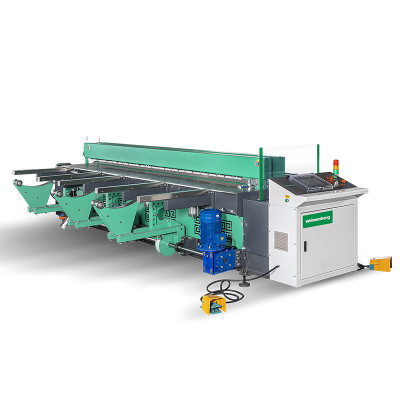
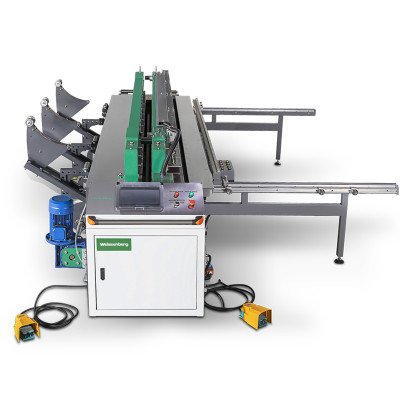
This is one reason why many manufacturers are moving toward longer plastic sheet welding machines and larger fabrication capacities.
Reducing unnecessary welding beads can help improve structural consistency while reducing fabrication complexity.
In many large industrial tanks, reducing welding bead quantity can also help simplify inspection and long-term maintenance.
Long-Length Fabrication Requires More Stable Equipment
As fabrication length increases, machine stability becomes increasingly important.
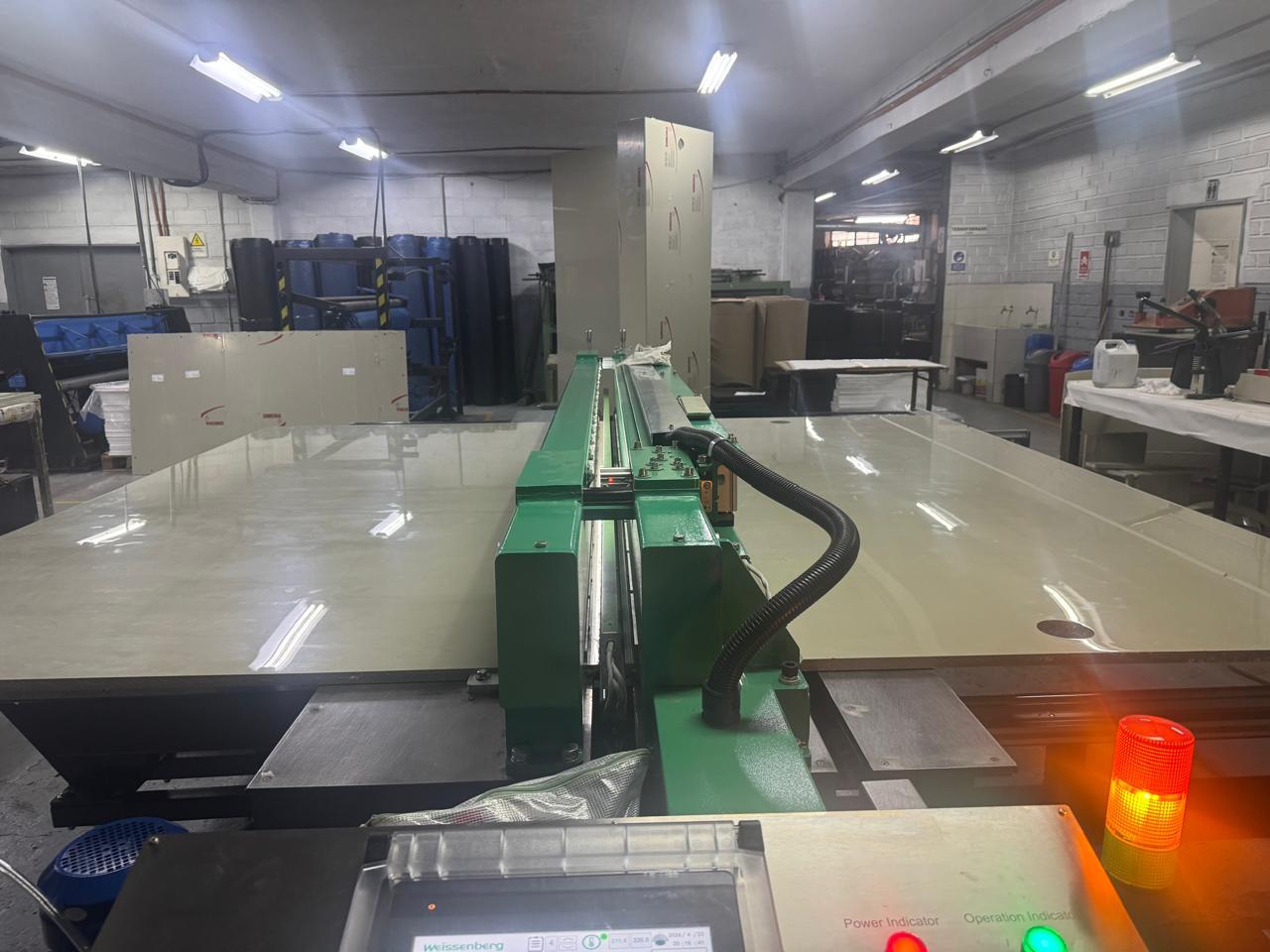
For example, in long thermoplastic sheet welding or plastic sheet bending applications, manufacturers must consider:
• structural rigidity
• pressure consistency
• heating uniformity
• movement synchronization
• long-sheet support stability
Even small deviations can become amplified across long processing distances.
This is especially important in applications involving:
• large industrial tanks
• long ventilation systems
• environmental engineering structures
• custom transportation-related thermoplastic components
As a result, large-format thermoplastic fabrication systems often require different machine structures and processing logic compared with standard fabrication equipment.
Thermal Consistency Becomes More Important
In large thermoplastic fabrication projects, heat control becomes much more critical.
Whether in welding or bending applications, uneven heating can lead to:
• inconsistent forming
• dimensional variation
• material stress
• poor welding quality
• deformation during assembly
As fabrication dimensions increase, maintaining thermal consistency across long processing areas becomes increasingly difficult.
This is one reason why machine structure, heating system quality, and temperature control stability play a major role in large-format thermoplastic manufacturing.
Transportation and Installation Also Influence Fabrication Design
Large thermoplastic structures must not only be fabricated — they must also be transported and installed.
As a result, manufacturers often need to consider:
• transportation dimensions
• modular structure design
• installation accessibility
• on-site assembly requirements
• structural weight optimization
In many projects, fabrication logic is influenced as much by transportation and installation limitations as by the fabrication process itself.
In some projects, transportation limitations can directly influence how structures are divided, welded, and assembled.
This is especially common in:
• wastewater treatment projects
• industrial ventilation systems
• large chemical tanks
• custom infrastructure applications
Large Thermoplastic Fabrication Is Becoming More Common
As industries continue moving toward corrosion-resistant and lightweight materials, large thermoplastic structures are becoming increasingly common across environmental and industrial applications.
Compared with traditional metal systems, thermoplastic fabrication can offer:
• corrosion resistance
• lower maintenance requirements
• lighter structure weight
• improved chemical resistance
• flexible fabrication possibilities
However, large-format thermoplastic fabrication also requires more advanced processing logic, more stable equipment, and greater engineering control throughout the manufacturing process.
Large-format thermoplastic fabrication is gradually becoming a specialized engineering field rather than simply an extension of standard sheet processing.
If you are working on large thermoplastic fabrication projects and would like to discuss welding, bending, or long-format fabrication solutions, the Weissenberg team is always available to share technical experience and project recommendations.