What Chemical Tank Fabricators Consider Before Starting a New Tank Project
Introduction
Every chemical tank project starts with a series of important decisions.
Before the first plastic sheet is cut or the first welding bead is produced, experienced fabricators evaluate multiple factors that will influence manufacturing quality, production efficiency, and long-term tank performance.
For companies involved in chemical tank fabrication, success depends on much more than selecting the right material.
Tank dimensions, chemical compatibility, fabrication methods, welding quality, and production capabilities all play critical roles in the final result.
Based on common practices in thermoplastic tank manufacturing, here are some of the key considerations fabricators typically evaluate before starting a new project.
Understanding the Chemical Environment
One of the first questions fabricators ask is:
What chemical will the tank store?
Different chemicals place different demands on tank materials and fabrication methods.
Important factors include:
• Chemical type
• Concentration
• Operating temperature
• Exposure duration
These factors directly influence material selection and structural design.
Choosing the Right Material
Material selection is often the next major decision.
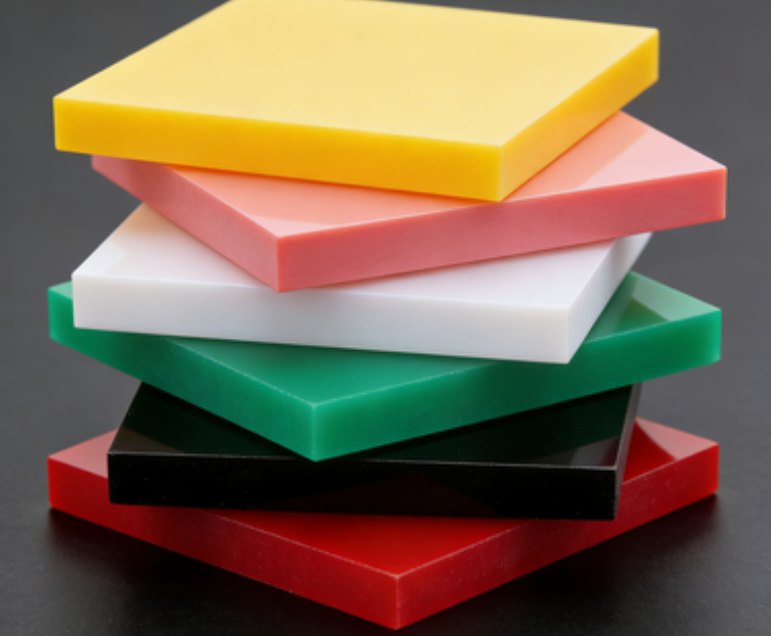
Common materials used in thermoplastic tank fabrication include:
• PP (Polypropylene)
Often preferred for:
• Chemical process tanks
• Electroplating tanks
• Scrubber systems
• Higher-temperature applications
• HDPE (High-Density Polyethylene)
Commonly used for:
• Bulk storage tanks
• Water treatment systems
• Outdoor installations
• Impact-resistant applications
Experienced fabricators evaluate material performance from both a chemical and manufacturing perspective.
Determining Tank Size and Structure
Tank dimensions significantly affect fabrication planning.
As tanks become larger, manufacturers must consider:
• Structural rigidity
• Material handling
• Welding consistency
• Transportation limitations
• Installation requirements
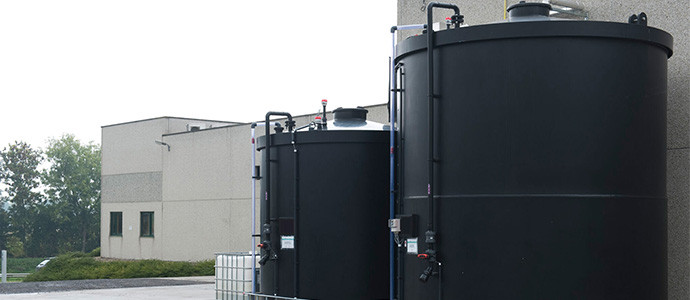
Large rectangular tanks, vertical storage tanks, and custom process vessels each present unique fabrication challenges.
Evaluating Fabrication Methods
Successful tank fabrication depends heavily on selecting the appropriate manufacturing methods.
Common fabrication processes include:
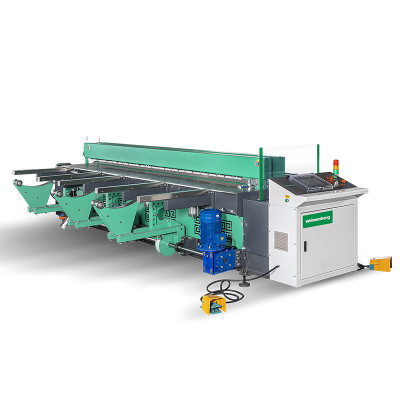
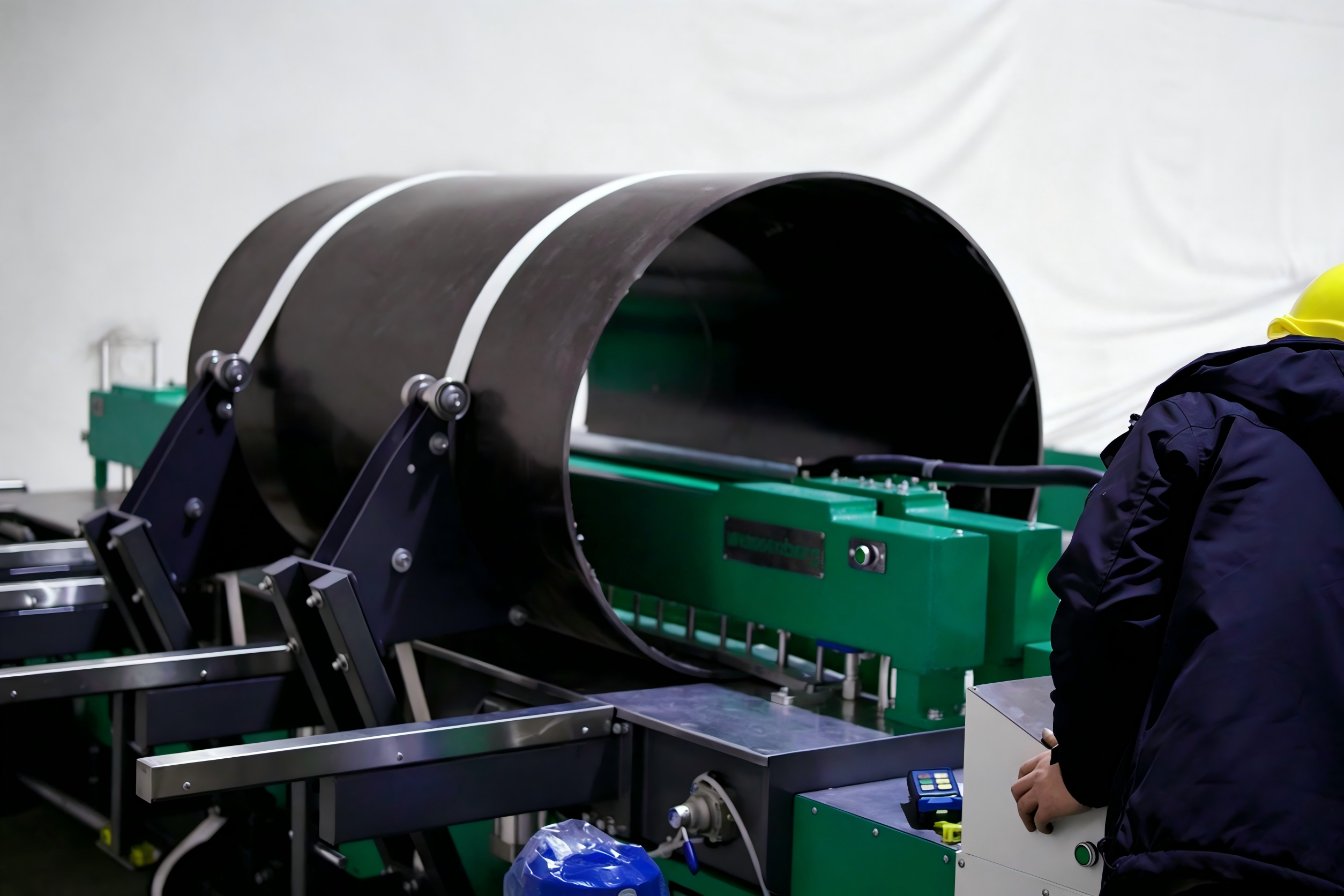
• Plastic Sheet Butt Welding
Used for producing strong and consistent joints between sheets.
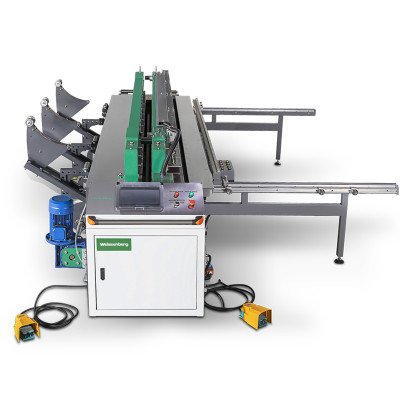
• Plastic Sheet Bending
Used to create tank walls, covers, and structural components.
• Extrusion Welding
Typically used for reinforcement structures, internal components, and detail work.
The selected fabrication method affects production efficiency and final tank quality.
Why Welding Quality Matters
For many fabricators, welding quality becomes one of the most important considerations.
Poor welding can result in:
• Leakage
• Structural weakness
• Rework costs
• Reduced service life
Consistent temperature control, alignment accuracy, and welding bead quality are essential for reliable tank manufacturing.
As project sizes increase, maintaining repeatable welding quality becomes even more important.
Matching Equipment to Production Requirements
Another important question is:
Can the existing equipment handle the project efficiently?
Fabricators typically evaluate:
• Sheet dimensions
• Material thickness
• Welding length
• Production volume
• Future expansion plans
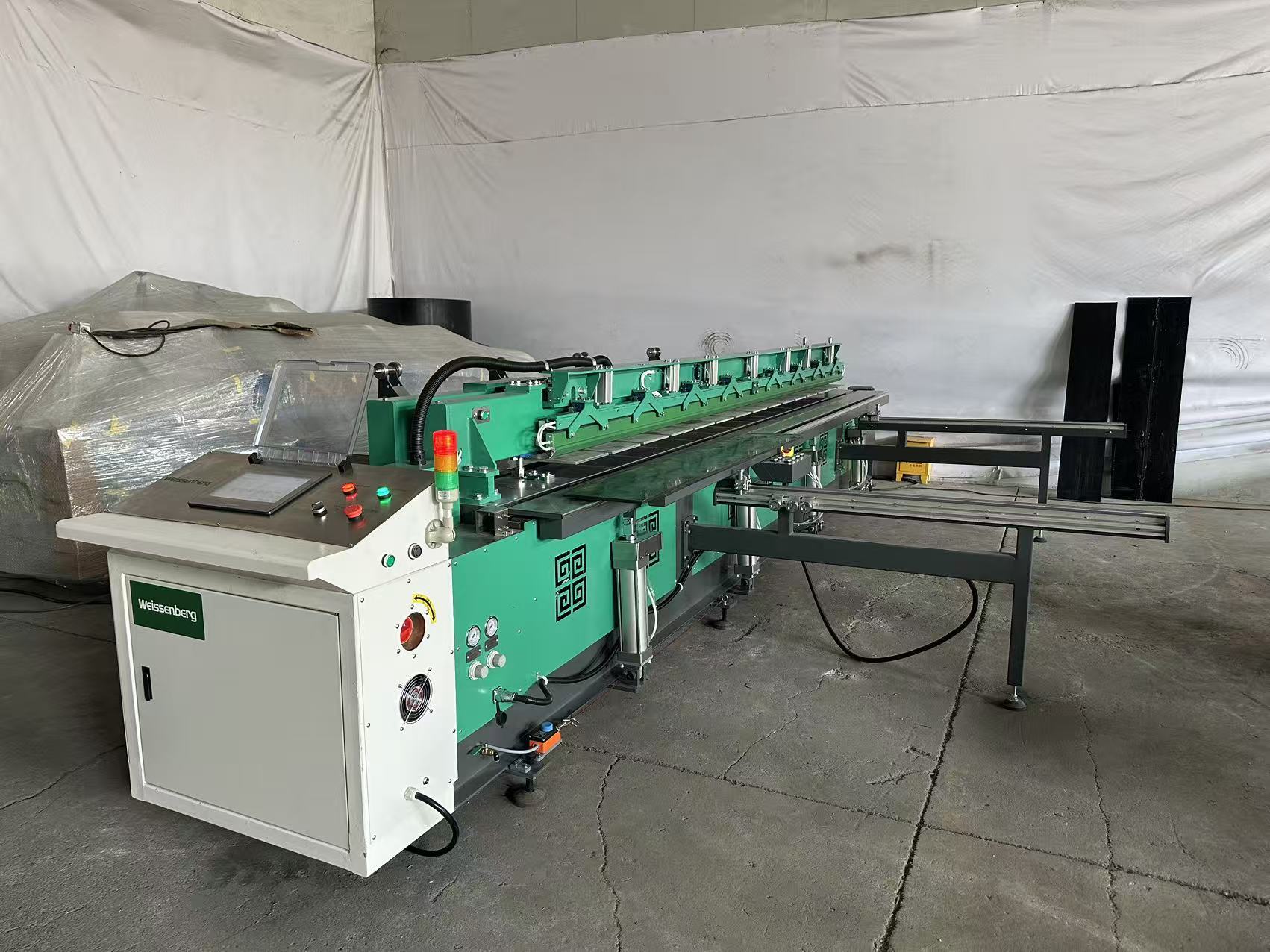
Choosing the right fabrication equipment can improve consistency, reduce labor requirements, and support long-term business growth.
Weissenberg plastic sheet welding machines, bending machines, and integrated fabrication systems are designed to help thermoplastic fabricators achieve reliable and repeatable manufacturing results.
Looking Beyond the Current Project
Experienced manufacturers do not evaluate projects in isolation.
They also consider:
• Future production requirements
• Equipment scalability
• New application opportunities
• Manufacturing efficiency improvements
The right decisions today often determine future production capabilities.
Final Thoughts
Successful chemical tank fabrication begins long before manufacturing starts.
Material selection, tank design, welding quality, fabrication methods, and equipment capability all contribute to the final result.
By evaluating these factors early in the project planning stage, fabricators can improve production efficiency, reduce manufacturing risks, and deliver more reliable thermoplastic tanks.
For many manufacturers, the most successful projects are not simply those built with the right material, but those planned with the right fabrication strategy from the beginning.
Looking for Thermoplastic Tank Fabrication Solutions?
Whether you manufacture chemical storage tanks, plating tanks, scrubber systems, or custom thermoplastic equipment, reliable fabrication equipment plays a critical role in project success.
Weissenberg provides plastic sheet butt welding machines, plastic sheet bending machines, and integrated fabrication systems designed for modern thermoplastic manufacturing.