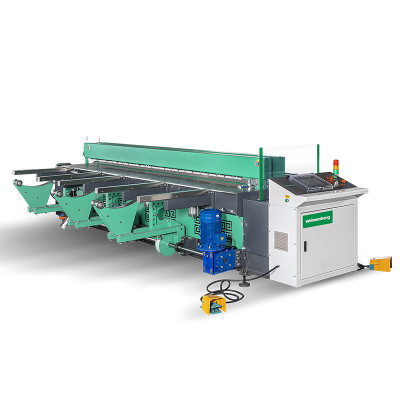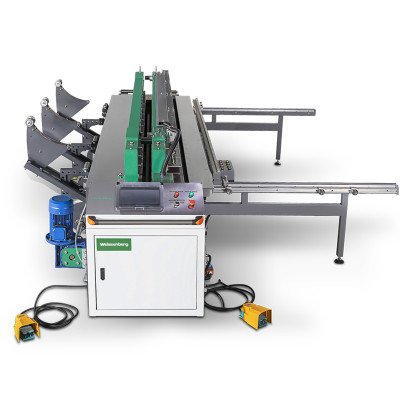
Complete Guide to Plastic Sheet Bending Machines: Knife Features, Precision, Energy Design and Industrial Applications
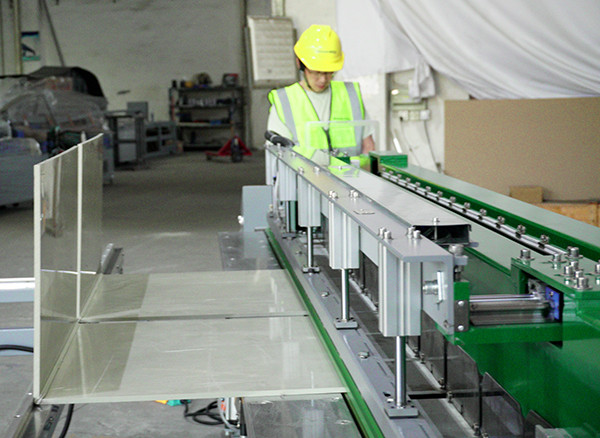
Plastic sheet bending is a crucial part of modern plastic sheet fabrication processes, especially for HDPE and PP industrial products.
From chemical tanks to scrubber systems and water treatment modules, bending quality influences assembly accuracy, structural reliability, and long-term durability.
As a professional manufacturer, Weissenberg provides bending solutions engineered for real industrial production. This guide explains:
• How bending machines work
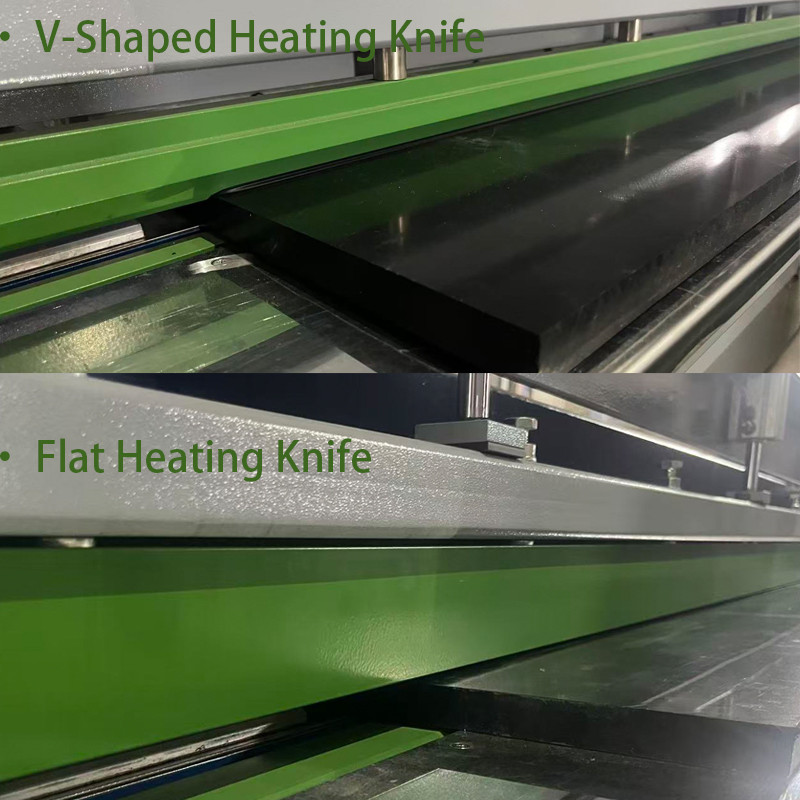
• Differences between flat-knife and V-knife systems
• What determines bending precision
• Energy-efficient heating design
• Applications in key industries
• Practical selection recommendations
1. How a Plastic Sheet Bending Machine Works
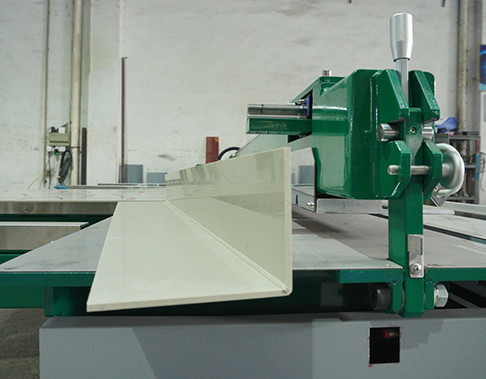
Bending is the process of creating a controlled, heated line, softening the material and forming it at the desired angle before cooling and solidifying.
Key components include:
1. Heating Knife
The heating knife determines:
• Heat transfer efficiency
• Formation of the bending line
• Heating speed
• Smoothness and strength of the final bend
Weissenberg machines support two knife systems:
• Flat Knife
• V-Knife
2. Material Softening Behavior
• Different materials respond differently to heat:
• HDPE – wide softening range
• PP – sensitive to uneven heating
• PVC – sensitive to localized overheating
Stable and uniform heating is essential.
3. Machine Frame & Worktable Structure
• A rigid structure prevents:
• Angle deviation
• Distortion during bending
• Misalignment in assembly
Weissenberg uses heat-treated steel frames and reinforced worktables to ensure consistent bending quality, even on long HDPE/PP panels.
2. Flat Knife vs V-Knife — Two Knife Types with Different Advantages
Knife selection depends on the bending effect, material behavior, and production requirements—not on thickness categories.
⭐ Flat Knife — Smooth & Aesthetic Bend Lines
Characteristics:
• Gentle, even heating
• Cleaner, more aesthetic bend lines
• Better surface quality
• Ideal for appearance-critical panels
• Produces smooth and stable transitions
Typical uses:
• Covers and lids
• Air duct components
• Corrosion-resistant panels
• Equipment housings
⭐ V-Knife — Faster Heating & Stronger Heat Penetration
Characteristics:
• Faster heating
• Stronger heat penetration
• Produces deeper, more rigid bend lines
• Ideal for structural or load-bearing parts
• Works well for large, heavy HDPE/PP panels
Typical uses:
• Chemical tank components
• Structural boards and reinforcement plates
• Water treatment modules
• Industrial containers
⭐ Comparison Table
Feature | Flat Knife | V-Knife |
Heating style | Gentle, even | Concentrated, fast |
| Bend line quality | Smooth & aesthetic | Deep & strong |
| Heat penetration | Moderate | Strong |
| Typical use | Panels, covers | Structural components |
| Operator feel | Controlled | High efficiency |
3. Where Bending Precision Comes From
Bending precision affects:
• Product appearance
• Assembly fit
• Structural stability
Key engineering factors include:
1. Stable Temperature Control
• Stable heating prevents:
• PP whitening
• HDPE surface distortion
• Angle inconsistency
2. Adjustable Knife Height & Position
Knife adjustment ensures:
• Accurate bend line placement
• Consistent production results
• Better bending control for complex shapes
3. Reinforced Steel Structure
A rigid frame keeps:
• Bending angles uniform
• Lines straight
• Assembly errors minimized
4. Energy-Efficient Heating Design
Since heating consumes significant power, Weissenberg machines improve efficiency through:
• High-efficiency heating elements
• Concentrated heating along the bending line
• Insulated body structure for stable performance
5. Industrial Applications
Weissenberg bending machines are widely used in:
• Chemical storage tanks
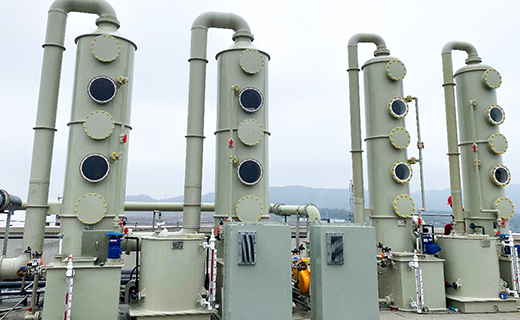
• PP/HDPE scrubber systems
• Water treatment equipment
• Electroplating tanks
• Aquaculture tanks
• Industrial ducting and covers
6. Choosing the Right Bending Machine
Key considerations:
• Visual vs structural bending requirements
• Material type (HDPE/PP/PVC)
• Panel size and production speed
• Need for flat knife, V-knife, or both
• Production scale
To explore machine configurations, visit our Plastic Sheet Bending Machines category page.
7. Common Bending Problems & Solutions
Angle rebound
→ Increase heat concentration or heating duration
Whitening on PP
→ Improve temperature stability
Misaligned bending line
→ Adjust knife height and clamping system
Surface dulling / mild burn
→ Reduce temperature or heating time
Inconsistent angles
→ Check frame rigidity and heating uniformity
⭐ Final Section
Plastic sheet bending directly affects how tightly industrial tanks seal, how accurately modules fit, and how long structural parts remain stable in demanding environments.
Manufacturers in chemical processing, scrubber systems, plating lines and water treatment equipment depend on bending systems that deliver clean, repeatable results.
At Weissenberg, our bending machines are engineered for these real-world production needs. Whether you require aesthetic panel forming or strong structural bends, we provide stable, production-ready performance supported by practical engineering experience.
For HDPE or PP bending projects, our engineering team can recommend the ideal machine size, knife configuration and bending setup for your application.
📌 If your bending applications require stable processing performance, explore our
HDPE/PP Panel Bending Equipment for production-ready solutions.