Common Challenges in Chemical Tank Fabrication and How Manufacturers Solve Them
Introduction
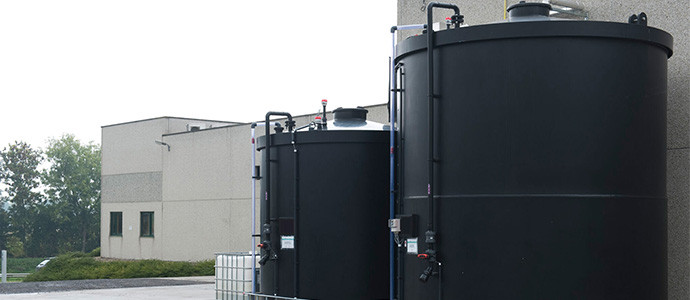
Manufacturing a chemical storage tank may seem straightforward.
Select the material, weld the panels, assemble the structure, and prepare it for delivery.
In reality, experienced fabricators know that chemical tank fabrication involves a series of technical and production challenges that can directly affect tank quality, production efficiency, and long-term reliability.
Before fabrication even begins, manufacturers must evaluate material selection, fabrication methods, tank dimensions, and project requirements. These early decisions often determine the success of the final product. Understanding these factors before starting production is critical for successful fabrication planning.
As tank sizes increase and project requirements become more demanding, manufacturers must deal with challenges related to welding, material handling, dimensional stability, and production management.
This article explores some of the most common challenges in chemical tank fabrication and how professional manufacturers overcome them.
Challenge 1: Handling Large Plastic Sheets
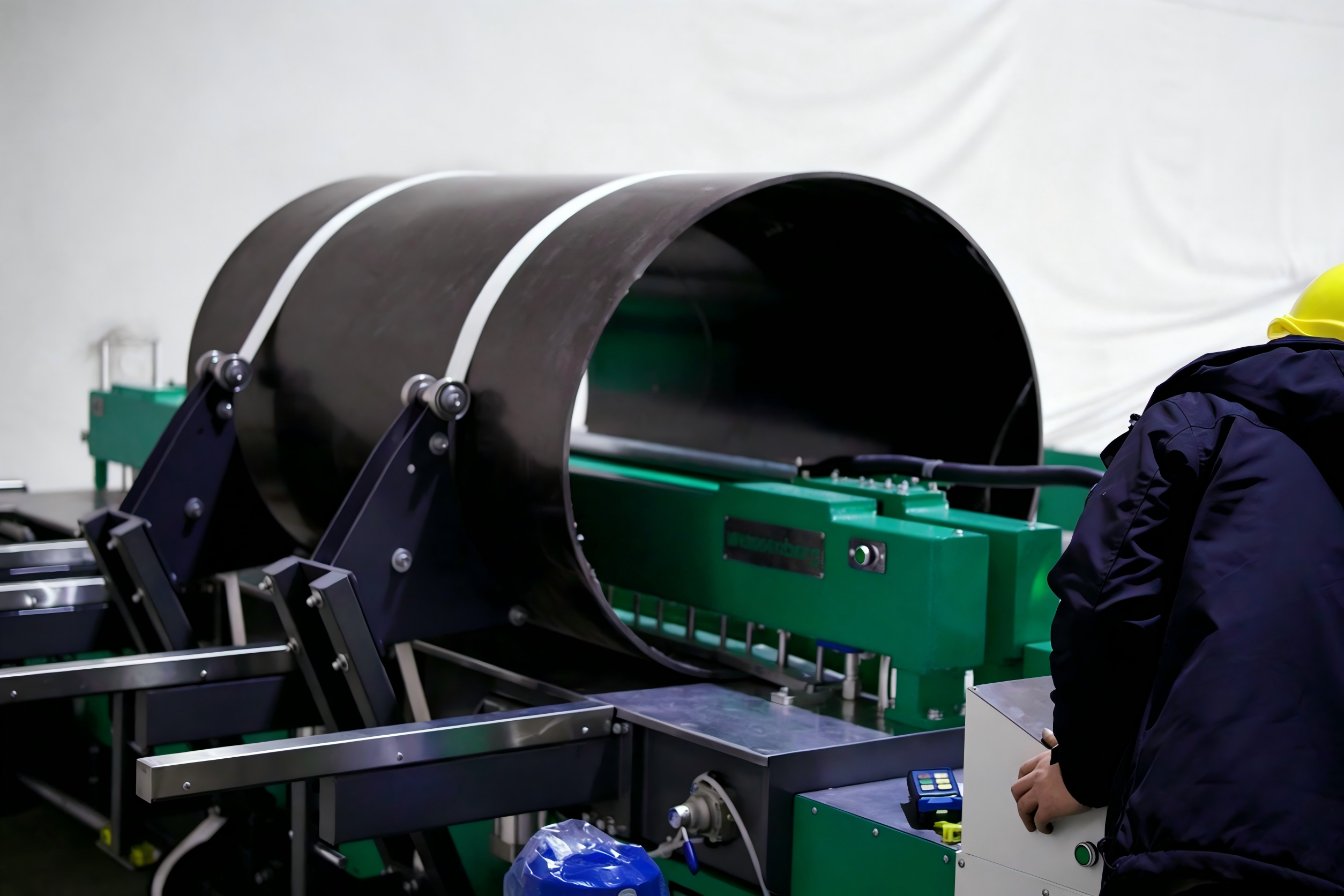
One of the first challenges fabricators face is handling large thermoplastic sheets.
Modern chemical tanks often require large wall panels to reduce the number of weld seams and improve structural consistency.
However, as sheet sizes increase, handling becomes more difficult.
Manufacturers must consider:
• Sheet positioning
• Material movement
• Alignment accuracy
• Workshop space
Even small positioning errors can affect downstream fabrication quality.
How Manufacturers Solve It
Experienced fabricators use dedicated handling methods, rigid support structures, and precise alignment systems to ensure sheets remain correctly positioned throughout production.
For large projects, minimizing unnecessary sheet movement helps improve efficiency and reduce fabrication errors.
Challenge 2: Maintaining Welding Consistency
A chemical tank may contain multiple long weld seams.
Maintaining consistent welding quality across every joint is one of the most important factors in successful tank fabrication.
Inconsistent welding can result in:
• Weak joints
• Leakage risks
• Increased rework
• Reduced service life
How Manufacturers Solve It
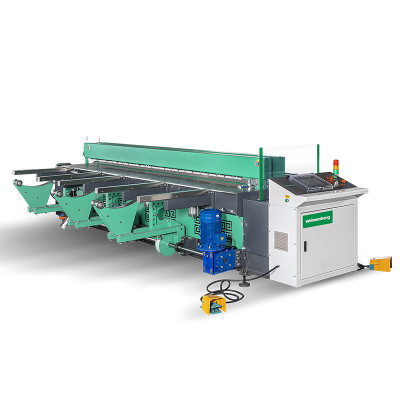
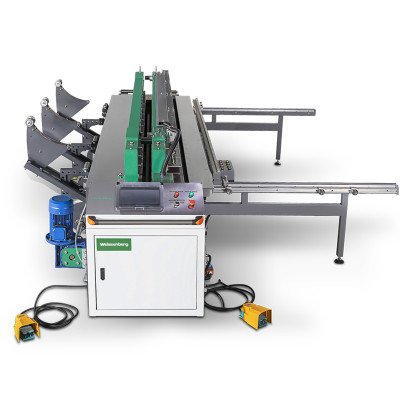
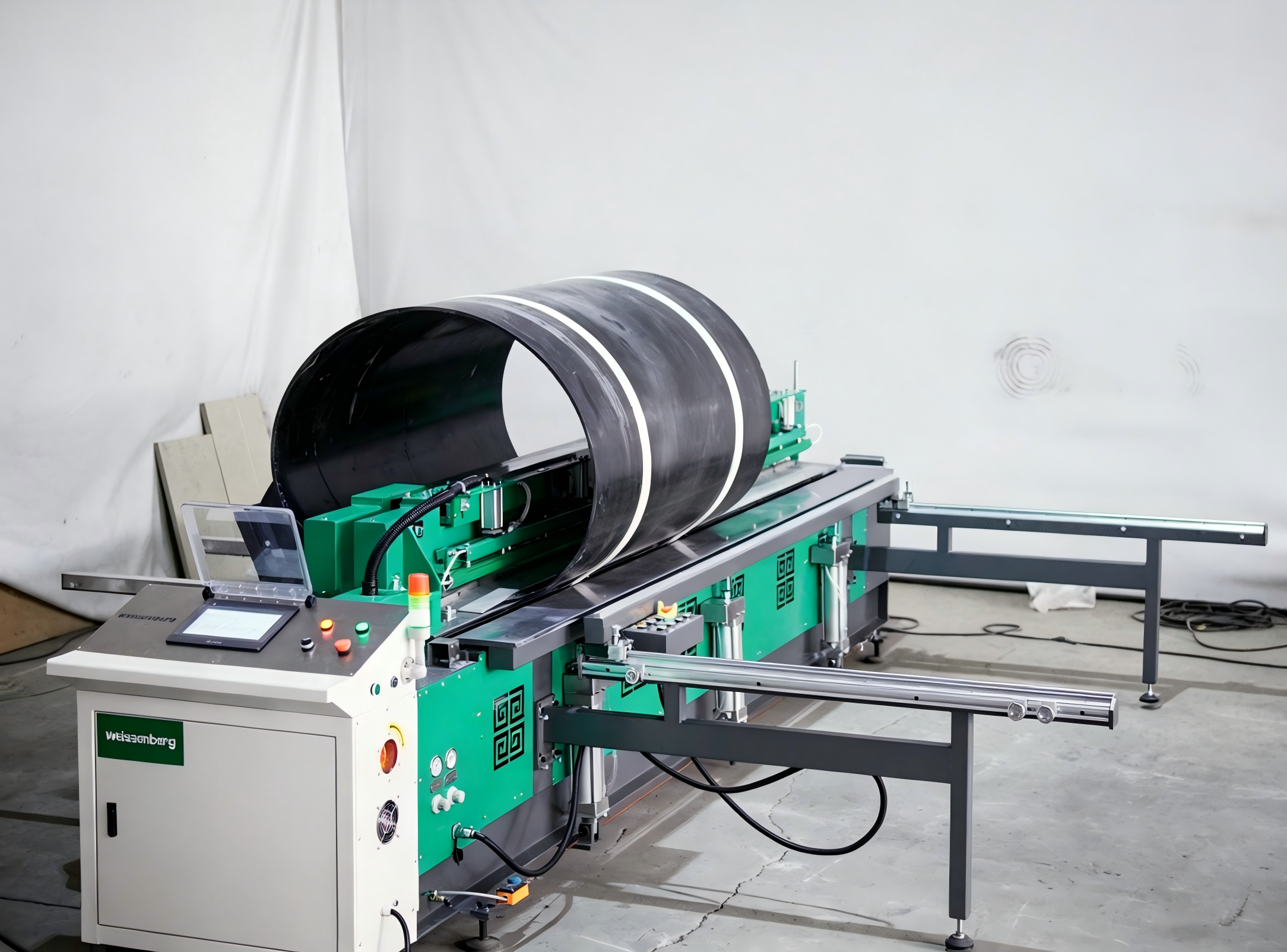
Professional manufacturers rely on controlled welding processes and dedicated plastic sheet welding machine systems to maintain:
Consistent temperature
Stable pressure
Accurate alignment
Repeatable welding cycles
As tank dimensions increase, process consistency becomes even more critical.
Many experienced fabricators consider welding consistency to be one of the most important factors affecting long-term tank reliability.
Challenge 3: Preventing Deformation in Large Structures
Thermoplastic materials expand and contract with temperature changes.
During fabrication, large panels can experience stress and deformation if not properly supported.
This challenge becomes more significant as tanks become larger.
How Manufacturers Solve It
Fabricators carefully plan:
• Welding sequences
• Support structures
• Reinforcement layouts
• Cooling procedures
By controlling fabrication conditions, manufacturers can improve dimensional stability and reduce deformation risks.
For large-scale projects, structural planning often begins before fabrication starts.
As structures become larger, fabrication logic changes significantly. This topic is explored further in Large Thermoplastic Structures Require Different Fabrication Logic.
Challenge 4: Selecting the Right Material
Material selection affects far more than chemical resistance.
The chosen material influences:
• Welding behavior
• Structural rigidity
• Manufacturing efficiency
• Long-term performance
Common materials include PP and HDPE, each with different advantages depending on the application.
How Manufacturers Solve It
Experienced fabricators evaluate:
• Chemical compatibility
• Operating temperature
• Tank dimensions
• Installation environment
Before making a material decision.
The most successful projects are those where material selection and fabrication planning work together.
Challenge 5: Training New Operators
Many fabrication workshops face another practical challenge:
Operator experience.
As demand for thermoplastic tanks grows, manufacturers often need to train new employees or introduce new fabrication technologies.
A common concern is whether operators can quickly adapt to butt welding equipment.
How Manufacturers Solve It
Modern fabrication equipment is designed to simplify production.
Clear operating procedures, intuitive controls, and repeatable welding programs help reduce dependence on operator experience.
Many manufacturers find that operators become comfortable with the welding process after only a short period of training.
In fact, workshops that transition from manual fabrication methods to professional butt welding systems often discover that the learning curve is shorter than expected.
This helps improve consistency while reducing production risks.
Challenge 6: Meeting Delivery Deadlines
Customers expect high-quality tanks and on-time delivery.
Balancing quality control with production efficiency is often one of the most difficult aspects of manufacturing.
Unexpected delays can occur due to:
• Material preparation
• Fabrication bottlenecks
• Rework
• Transportation requirements
How Manufacturers Solve It
Professional workshops focus on process standardization.
Reliable fabrication equipment, efficient workflow planning, and quality control systems help reduce delays and improve production predictability.
Challenge 7: Scaling Up for Larger Projects
As fabricators move from small tanks to larger industrial projects, manufacturing requirements change significantly.
Longer weld seams, larger panels, and higher structural demands require different fabrication strategies.
What works for a small tank may not work for a 20 m³ or 50 m³ industrial storage system.
How Manufacturers Solve It
Successful manufacturers invest in:
• Larger fabrication capacity
• Improved welding control
• Better material handling systems
• More efficient production workflows
As project sizes increase, fabrication capability becomes a competitive advantage.
Many of these production challenges become visible when observing a real fabrication workshop from the inside, from material preparation to final inspection and delivery.
The Difference Between Average and Professional Fabrication
Most manufacturers can build a tank.
Professional manufacturers consistently build reliable tanks.
The difference often comes down to how challenges are managed throughout the fabrication process.
Successful workshops understand that quality is not created during final inspection.
It is created through hundreds of decisions made every day on the production floor.
Final Thoughts
Chemical tank fabrication involves much more than joining plastic sheets together.
Manufacturers must overcome challenges related to material selection, welding quality, structural stability, operator training, and production efficiency.
By understanding these challenges and implementing effective fabrication strategies, manufacturers can improve reliability, reduce costs, and deliver better-performing tanks.
As thermoplastic tank applications continue to grow worldwide, fabrication expertise will remain one of the most important factors in project success.
Looking for Thermoplastic Fabrication Solutions?
Weissenberg provides plastic sheet welding machines and integrated fabrication solutions for manufacturers producing chemical tanks, electroplating tanks, scrubber systems, and other thermoplastic equipment.
Contact our team to discuss your fabrication requirements.