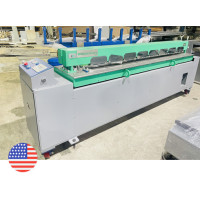
2m Mobile HDPE Sheet Welder for a U.S. Boat Builder
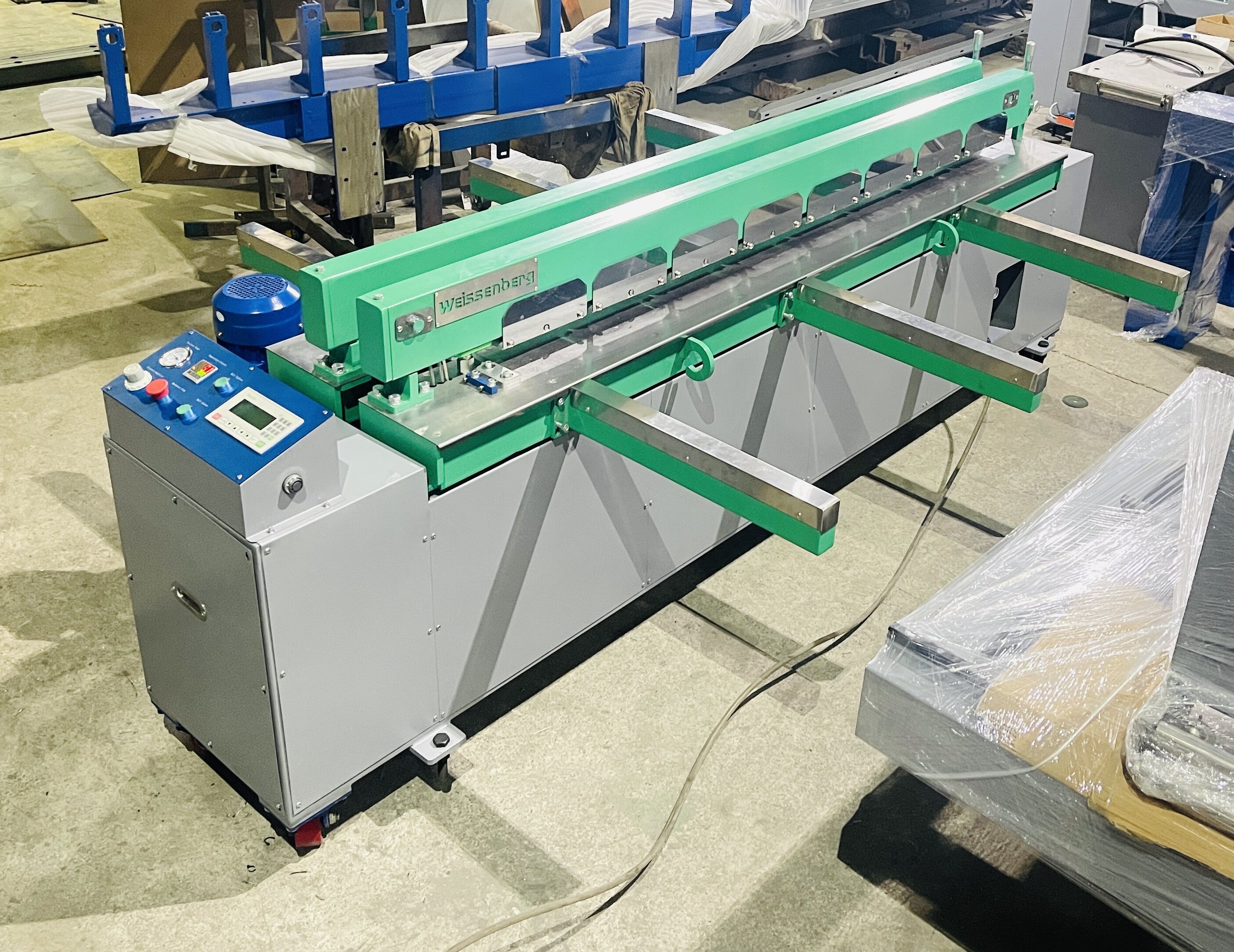
A small HDPE boat manufacturer in the United States needed a practical flat-sheet butt welding solution for 1/2 in. (12.7 mm) HDPE sheets, occasional 1 in. (25.4 mm) material, and sheet widths up to approximately 48 in. (1220 mm). Because sheet welding is not a high-frequency operation in its boat fabrication workflow, Weissenberg recommended a 2 m manual plastic sheet butt welder with a mobile configuration and 208V / 60Hz electrical setup.
Project Overview
| Customer | Small HDPE boat manufacturer |
|---|---|
| Market | United States |
| Application | HDPE boat fabrication |
| Material | HDPE |
| Typical Sheet Thickness | 1/2 in. / 12.7 mm |
| Occasional Sheet Thickness | 1 in. / 25.4 mm |
| Maximum Sheet Width | Approx. 48 in. / 1220 mm |
| Selected Machine | 2 m manual plastic sheet butt welder |
| Special Configuration | Mobile caster configuration |
| Power Supply | 208V / 60Hz |
Customer Requirement
The customer was looking for an entry-level to mid-level industrial HDPE sheet welding machine for boat fabrication. Most production uses 1/2-inch HDPE sheet, while 1-inch material is welded occasionally. The largest sheet width is approximately 48 inches.
The customer's priorities were straightforward: reliable weld quality, industrial machine construction, and practical operation. Hydraulic or pneumatic clamping was also mentioned as a preference during the initial inquiry.
However, sheet butt welding is only one part of the customer's overall boat fabrication process. The machine would not be used continuously, so the level of automation also needed to match the actual production frequency.
Why a Manual Machine Was the Better Fit
CNC plastic sheet welding machines can provide clear advantages for workshops with frequent welding cycles, higher production volumes, and greater requirements for automated parameter control and process repeatability.
For this customer, sheet butt welding is performed relatively occasionally. A manual plastic sheet welder therefore offered a more practical balance between industrial welding capability, reliability, and equipment investment without adding automation that would see limited use.
The right machine should match the actual production requirement, not simply the highest level of automation available.
Why a 2 m Working Width Was Selected
The customer's maximum sheet width was approximately 48 in. / 1220 mm. From a dimensional perspective, a working width of around 1.5 m would already have been sufficient for the current application.
However, the available standard manual configuration starts at 2 m. The 2 m model was therefore selected as the closest suitable standard size above the required sheet width, providing sufficient working capacity without moving into an unnecessarily large-format machine.
Mobile Configuration for a Flexible Workshop
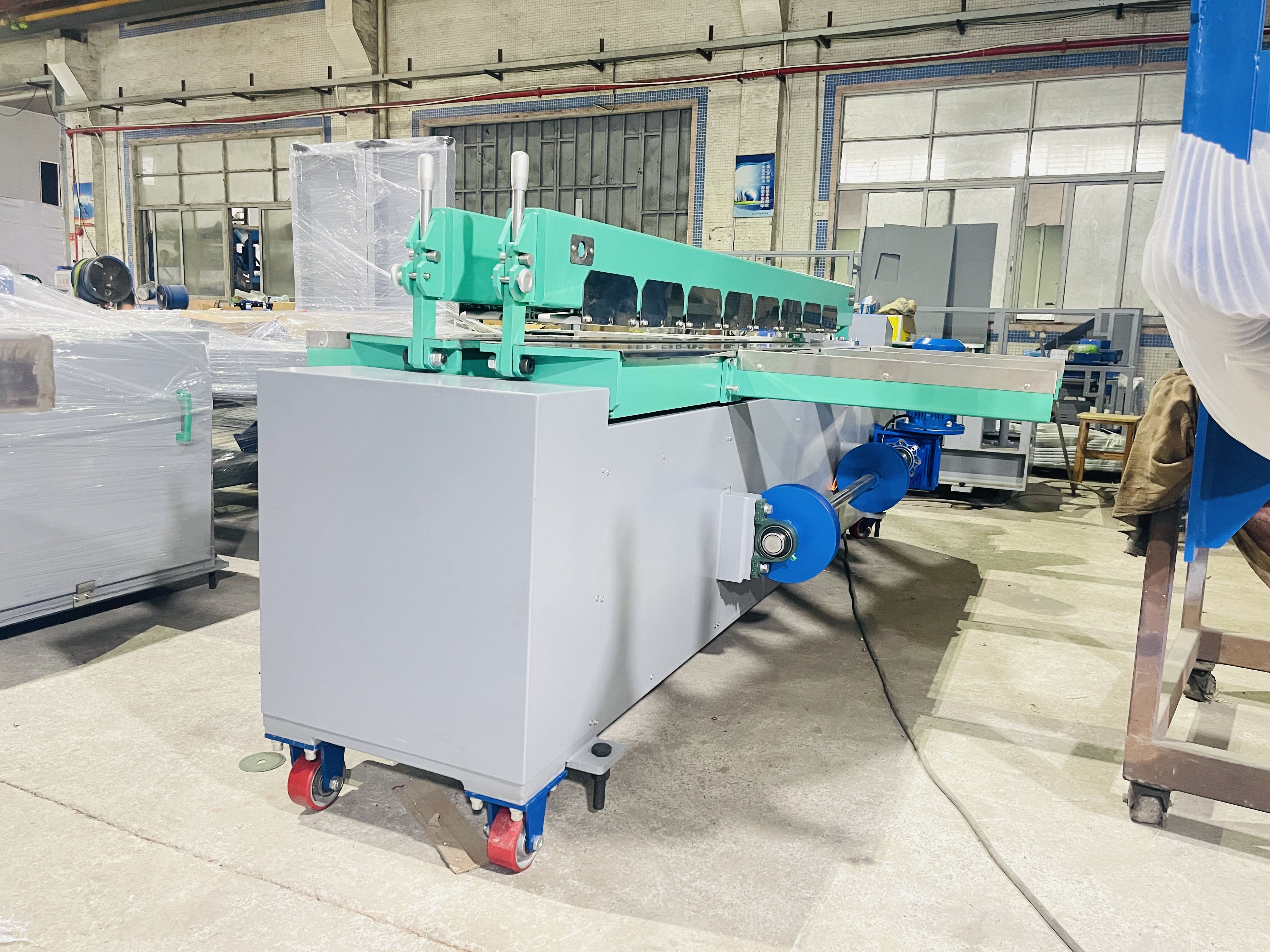
Machine mobility was another important part of the project. Since sheet butt welding is not performed continuously, the customer wanted the equipment to be repositioned when the welding area was required for other fabrication work.
Weissenberg therefore equipped the machine with a mobile caster configuration, making it easier to move the welder within the workshop according to the production workflow.
Configured for 208V / 60Hz U.S. Power Supply
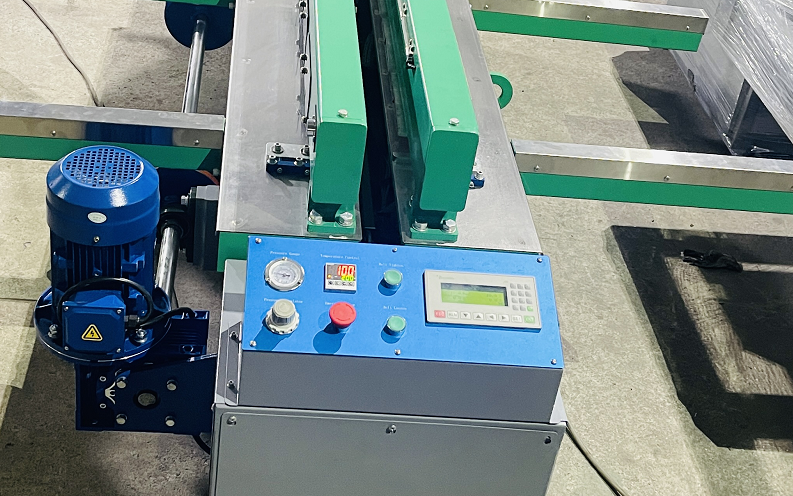
Electrical compatibility was confirmed according to the customer's workshop requirements. For this project, the machine was configured for 208V / 60Hz.
Confirming voltage and frequency before production is an important part of international machine configuration, helping ensure that the equipment matches the customer's actual installation conditions.
Customer Requirement vs. Selected Solution
| Customer Requirement | Weissenberg Solution |
|---|---|
| HDPE boat fabrication | Flat-sheet butt welding solution |
| Mainly 1/2 in. / 12.7 mm HDPE | Industrial HDPE sheet welding capability |
| Occasional 1 in. / 25.4 mm HDPE | Capacity for thicker HDPE sheets |
| Maximum width approx. 48 in. / 1220 mm | 2 m standard manual configuration |
| Occasional welding frequency | Manual operation |
| Flexible workshop layout | Mobile caster configuration |
| U.S. workshop power supply | 208V / 60Hz configuration |
Factory Testing Before Delivery
Before delivery, the machine configuration and operating functions were checked at the factory according to the agreed project requirements.
For HDPE sheet butt welding, stable heating, accurate sheet alignment, and controlled welding pressure are important factors for producing consistent welded joints, particularly when processing thicker sheet material.

Key Takeaways
Match Automation to Welding Frequency
CNC systems are valuable for high-volume and highly repetitive production. For occasional sheet welding, a manual industrial machine can provide a more appropriate level of automation.
Select Working Width Based on Actual Sheet Size
With a maximum sheet width of approximately 1220 mm, the customer did not require a large-format machine. The 2 m model was the closest available standard manual configuration above the required width.
Consider Workshop Mobility
Machine selection is not only about welding capacity. For smaller fabrication shops, the ability to reposition equipment can make better use of available production space.
Confirm Electrical Requirements Early
The 208V / 60Hz configuration was confirmed according to the customer's U.S. workshop power supply before production.
Related Plastic Sheet Welding Equipment
Explore Weissenberg plastic sheet welding machines for HDPE, PP, PVC, and PVDF fabrication.
Need a Sheet Welding Machine That Fits Your Workshop?
Tell us your material, sheet width, sheet thickness, application, welding frequency, and power supply. Weissenberg can recommend a machine configuration based on your actual fabrication requirements.
Plastic Fabrication Equipment for U.S. Manufacturers
Explore Weissenberg's thermoplastic fabrication equipment for U.S. manufacturers, including plastic sheet welding, bending, and integrated fabrication systems, with U.S. power configurations and DDP delivery available.
[Explore Equipment for U.S. Manufacturers →]