Uneven Heating Plate in Plastic Sheet Welding Machines: Causes, Testing and Solutions Introduction
Introduction
In thermoplastic fabrication, welding quality depends heavily on the stability of the heating system. One issue occasionally encountered in production workshops is uneven heating of the welding plate in plastic sheet welding machines.
Fabricators working with thermoplastic materials such as HDPE, PP, and PVDF may notice problems such as:
• inconsistent melting of sheet edges
• weak weld seams
• incomplete fusion
• unstable welding temperature
In many cases, these issues are not caused by welding parameters or material properties, but by the design and temperature stability of the heating plate.
Understanding the causes of uneven heating and how to evaluate heating plate performance is important for achieving reliable welding results in thermoplastic fabrication.
Why Uniform Heating Is Critical in Plastic Sheet Welding
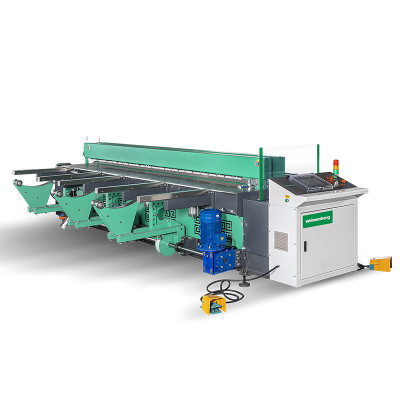
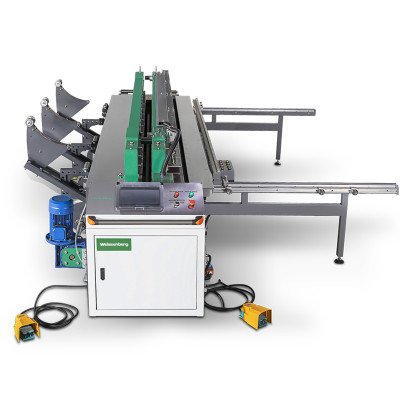
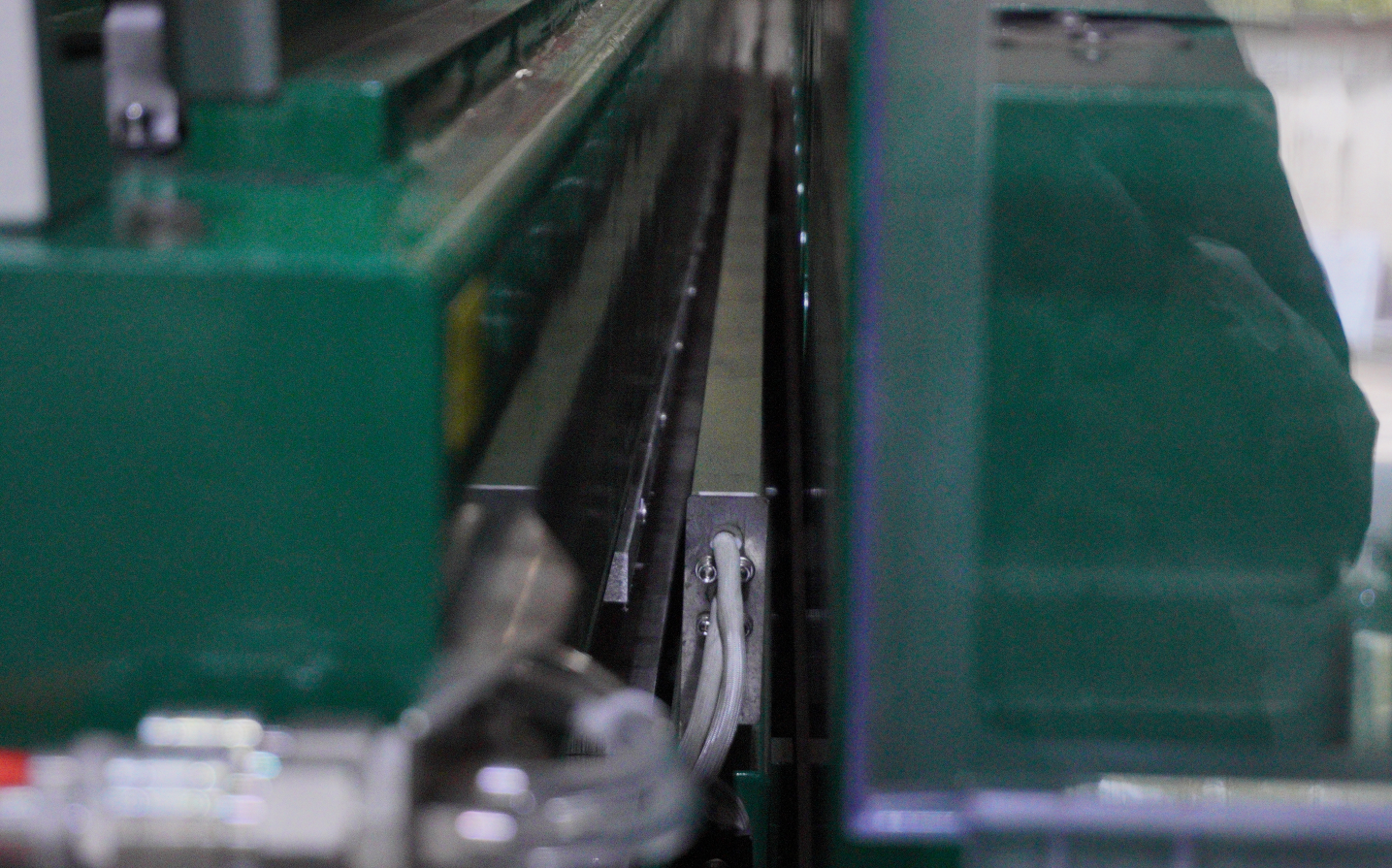
In a plastic sheet butt welding machine, the heating plate is used to heat the edges of thermoplastic sheets before fusion.
For materials such as:
• HDPE
• PP
• PVDF
Uniform heating is necessary to ensure proper melting and molecular bonding.
If the heating plate surface temperature varies significantly across the plate, the sheets may not melt evenly. This can lead to inconsistent weld seams and reduced structural strength.
For industrial fabrication applications such as plastic tanks, scrubbers, and chemical processing equipment, weld reliability is essential.
Common Causes of Uneven Heating Plates
Several engineering factors may contribute to uneven heating in plastic sheet welding machines.
Inconsistent Heating Wire Resistivity
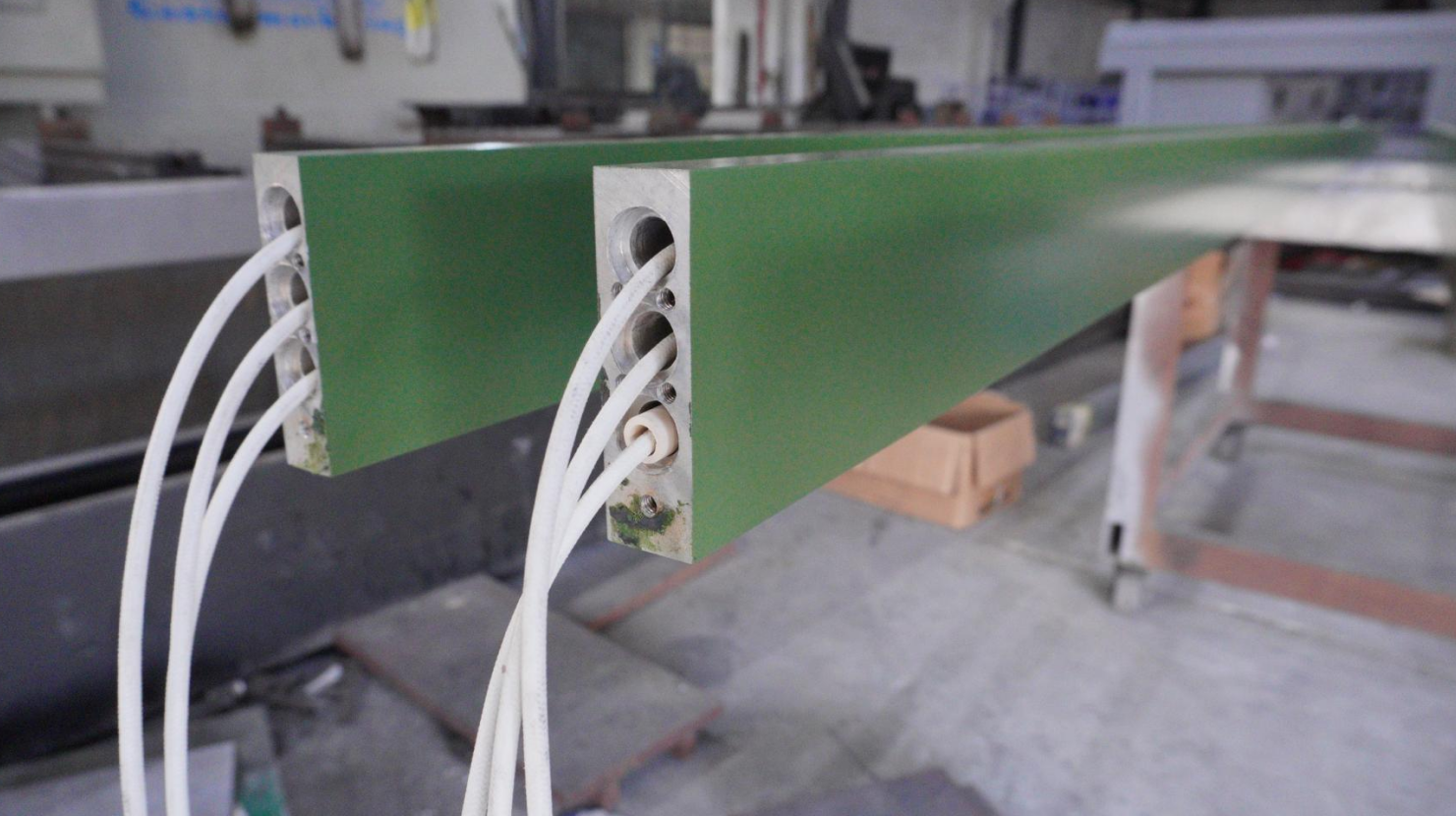
The heating plate typically uses resistance heating wire embedded inside the plate structure.
If the resistivity of the heating wire varies along its length, different sections of the heating plate will generate different heat levels.
This may lead to uneven temperature distribution across the heating plate surface.
Uneven Heating Wire Distribution
Another important factor is how the heating wire is arranged inside the plate.
If the heating wire is not evenly distributed during manufacturing, some areas of the heating plate may produce more heat than others.
Uniform spacing of heating coils helps maintain balanced heat output across the entire plate.
Heating Element Movement During Thermal Expansion
During repeated heating cycles, internal components may expand and contract.
Without proper insulation filling inside the heating plate, heating elements may shift position over time.
This can gradually affect temperature uniformity and cause unstable heating performance.
Heating Plate Temperature Stability and Testing
In industrial thermoplastic welding equipment, heating plate temperature stability is carefully controlled to ensure consistent welding performance.
For example, in well-designed welding systems, the temperature variation across the heating plate surface can be controlled within ±5°C.
Maintaining this level of temperature consistency helps ensure that thermoplastic sheets are heated evenly before fusion, which is critical for producing strong and reliable weld seams.
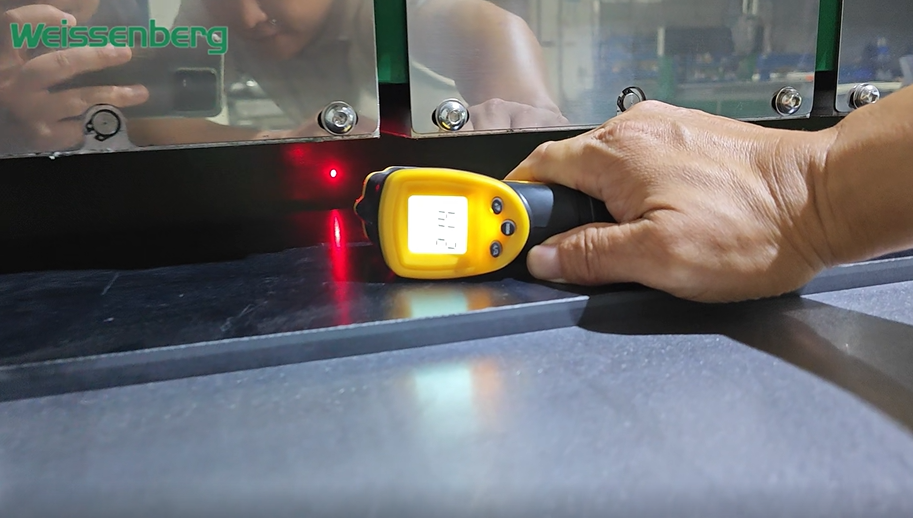
To verify heating performance, temperature distribution testing is typically conducted across multiple points on the heating plate surface.
These tests allow engineers to evaluate whether the heating plate maintains stable heating conditions during operation.
In some cases, thermal sensors or thermal imaging tools may be used to visualize temperature distribution across the heating plate surface.
Example: Welding Quality Issues Caused by Uneven Heating
In one thermoplastic fabrication workshop producing PP chemical tanks, operators experienced inconsistent weld seam strength during pressure testing.
Although the welding parameters were correctly set, several weld joints failed due to incomplete fusion.
After inspection, technicians discovered that the heating plate temperature was not uniform across its surface.
Further analysis revealed that:
• heating wires were unevenly distributed inside the plastic
• temperature differences existed across the heating surface
• heating elements had degraded after repeated heating cycles
After replacing the equipment with a welding machine with improved heating plate stability, the welding quality became consistent, and the production process stabilized.
How Uneven Heating Affects Weld Quality
When heating plates do not provide a uniform temperature distribution, several welding defects may occur.
Weak Weld Seams
If sheet edges are not heated evenly, the polymer chains cannot properly fuse together.
The weld seam may appear acceptable visually, but may fail under mechanical stress.
Incomplete Fusion
Uneven heating may cause only part of the sheet edge to reach fusion temperature, resulting in partial bonding.
Surface Damage or Material Degradation
Temperature instability may also cause overheating in some areas of the plate, damaging the plastic sheet surface.
Planning a Thermoplastic Fabrication Project?
If you are working with HDPE, PP, or PVDF sheets and evaluating plastic sheet welding equipment, heating plate stability is an important factor in achieving reliable welding results.
Understanding heating plate design and temperature control can help improve weld consistency and reduce production defects.
👉 Contact our engineering team to discuss your welding application: Contact us
Conclusion
Uneven heating plates can significantly affect welding quality in plastic sheet welding machines.
Temperature stability, heating element design, and proper internal construction of the heating plate all play important roles in ensuring reliable welding performance.
For manufacturers producing thermoplastic equipment such as chemical tanks and industrial processing systems, maintaining stable heating conditions is essential for consistent weld quality and efficient production.