🔥Poly Fire Fighting Tanks Fabrication: Challenges in Large-Scale Plastic Welding and the Role of 8-Meter Plastic Butt Welding Machines
Poly Fire Fighting Tanks Fabrication Is Entering a Large-Scale Era
This article focuses on the fabrication process and technical considerations of HDPE chemical tanks. In the fire protection industry, reliability is not optional—it is essential.
From industrial facilities to commercial buildings and municipal infrastructure, fire water tanks are a critical part of emergency systems. In recent years, driven by:
• Expanding industrial operations
• Stricter fire safety regulations
• Increasing demand for higher water storage capacity
👉 The demand for large-scale fire water tanks is rapidly growing.
This leads to a clear trend:
👉 Tank sizes are increasing, and traditional fabrication methods are reaching their limits.
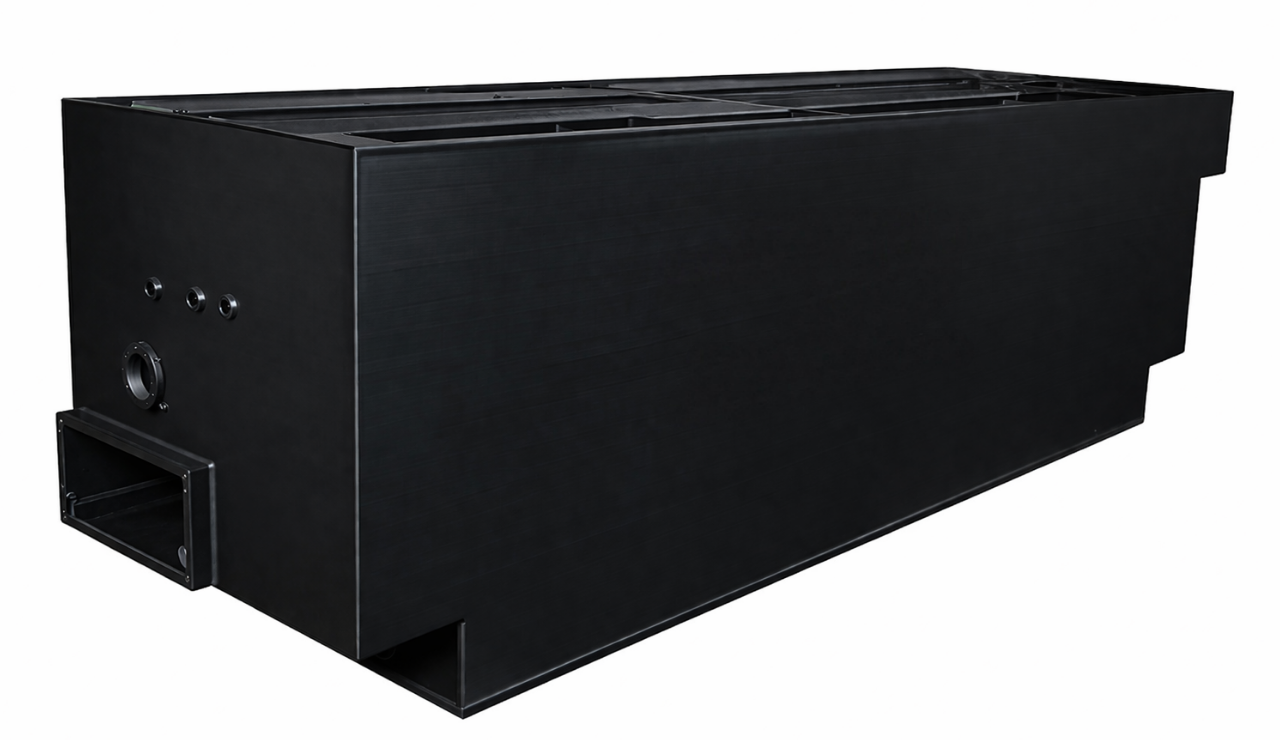
Thermoplastic Materials Are Becoming the Preferred Choice
More manufacturers are shifting from steel to
using materials such as HDPE and PP:
• Excellent corrosion resistance
• Longer service life
• Lower maintenance cost
• Strong chemical stability
However, this shift introduces a new challenge:
👉 How to reliably weld large plastic sheets into structurally stable tanks?
Key Challenges in Fire Water Tank Fabrication
1. Increasing Tank Dimensions
Modern projects often involve:
• Sheet lengths exceeding 3–6 meters
• Large side panels and base panels
• Higher structural strength requirements
👉 Traditional equipment struggles to handle these dimensions efficiently.
2. Too Many Weld Seams = Higher Risk
When sheet size is limited, fabricators must:
• Cut sheets into smaller sections
• Perform multiple welds
• Add additional reinforcements
This results in:
• Increased leakage risk
• Higher labor costs
• Longer production cycles
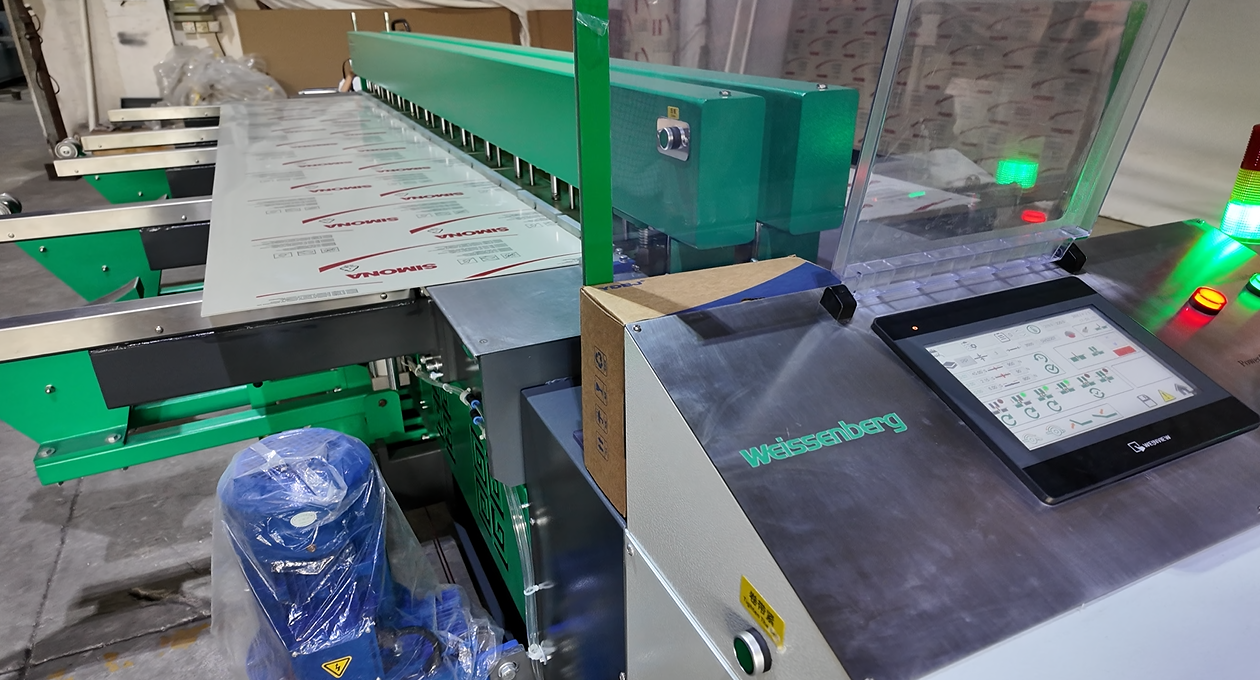
3. Inconsistent Welding Quality
Manual or semi-automatic welding methods often lead to:
• Uneven heating
• Misalignment
• Weak joint strength
For fire protection systems, such inconsistencies are unacceptable.
If you are working on similar projects, choosing the right equipment is critical.
You are welcome to contact us to discuss your requirements.
Industry Trend: Reduce Weld Seams by Using Larger Sheets
More fabricators are recognizing that:
👉 Reducing weld seams is the key to improving both quality and efficiency
Using larger sheets provides:
• Fewer joints → higher structural integrity
• Faster production
• Lower failure rates
• Better long-term reliability
But this approach requires one critical factor:
👉 Machines must be capable of handling large-format sheets
From 3–6 Meters to Larger Formats: A Growing Bottleneck
Most equipment on the market today typically supports:
• 👉 3–4 meter sheet length (industry standard)
• 👉 Up to 6 meters (considered large-format machines)
However, as project sizes continue to grow, a new reality is emerging:
👉 6 meters is no longer sufficient
In applications such as:
• Large fire water tanks
• Industrial water storage systems
• Long structural panels
The limitation becomes clear:
• Larger sheets → fewer welds → stronger structures
• 6-meter limitation → still requires joining → increases risk and cost
👉 This is becoming a real bottleneck in modern fabrication.
The Solution: 8-Meter Sheet Butt Fusion Capability
To address this challenge, equipment capability must evolve.
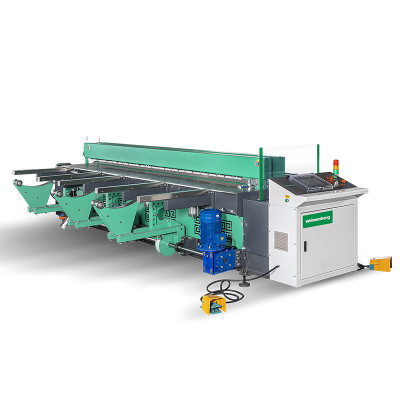
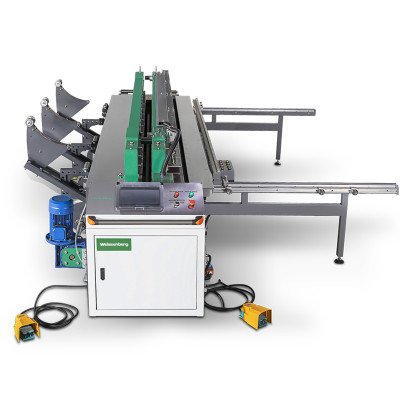
At Weissenberg, we provide:
This is not just a size upgrade—it transforms the production process:
• Fewer weld seams → higher reliability
• Larger panels → better structural integrity
• Reduced processing steps → improved efficiency
• Better suitability for large-scale projects
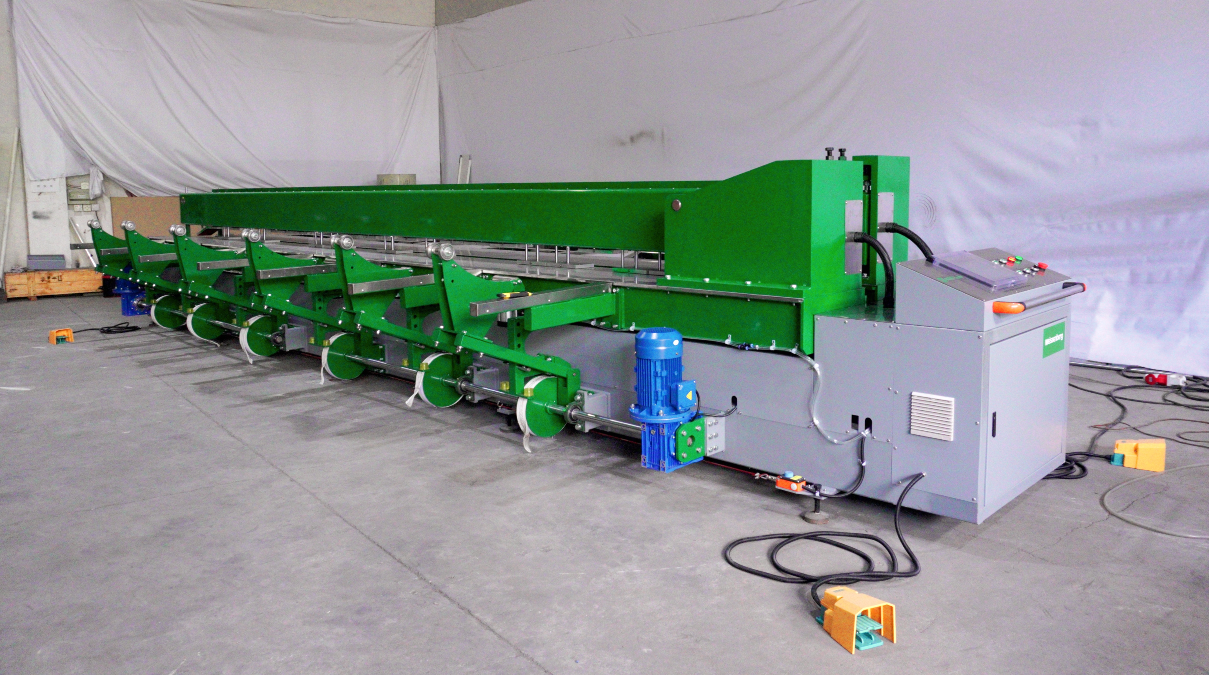
What 8-Meter Capability Means in Practice
In real production environments, this capability delivers:
✔ Significantly fewer weld seams
Reducing leakage risk and improving sealing performance
✔ Higher structural strength
Continuous welding ensures uniform stress distribution
✔ Improved production efficiency
Less cutting, fewer repositioning steps
✔ Better fit for large fire water tank projects
Especially in industrial and municipal applications
Engineered for Large-Scale Fabrication
• Weissenberg’s large-format butt fusion machines feature:
• Heating plate temperature control within ±5°C
• Stable pressure system for consistent welding
• Heavy-duty clamping structure for large sheets
• PLC-controlled process for repeatability
👉 Ensuring stable welding quality—even at large scales.
Typical Applications
These machines are widely used in:
• Fire water tanks
• Chemical storage tanks
• Wastewater treatment systems
• Aquaculture tanks
👉 As project sizes increase, large-format sheet welding capability is becoming the industry standard.
From “Can We Build It?” to “How Well Can We Build It?”
Today, the key question has changed:
❌ Can we fabricate large tanks?
➡️ This is no longer the challenge
The real question is:
✅ Can we produce them efficiently, reliably, and with minimal risk?
And the answer depends on the equipment capability.
📩 Upgrade Your Fabrication Capability
If you are facing:
• Large fire water tank projects
• Sheet size limitations
• Too many weld seams and quality risks
Production efficiency challenges
👉 It may be time to rethink your equipment.
Weissenberg offers plastic sheet butt fusion solutions with up to 8-meter capacity, designed for large-scale industrial fabrication.
📧 Email: inquiry@weissenbergwelder.com
🌐 Website: https://www.weissenbergwelder.com/
For equipment selection, you can refer to: