Plastic Sheet Welding Machine Types (Hot Air / Extrusion / Butt Fusion)

For HDPE, PP, PVC, PVDF, CPVC & Twin-Wall Sheets
Thermoplastic sheet welding is widely used in the fabrication of chemical storage tanks, fume extraction systems, environmental processing equipment, and industrial enclosures.
Depending on weld strength, geometry, and thickness, engineers typically select from three welding methods:
Hot air welding, extrusion welding, and butt fusion welding
1. Hot Air Welding
1.1 Process Overview
Hot air welding uses an electrically heated air stream to soften the sheet surface, followed by pressure to join the materials.
1.2 Compatible Materials
HDPE, PP, PVC, CPVC, PVDF, ABS
1.3 Typical Applications
• Tack welding (pre-positioning)
• Small component assembly
• Surface repairs
• Edge preparation before extrusion welding
1.4 Strength Characteristics
Hot air welding is generally not used for structural or chemically exposed welds, as the weld cross-section is small.
1.5 Tools & Sourcing
• Brand: Weldy (Switzerland)
• Weissenberg acts as the authorized supplier/distributor
• Common family: Weldy ENERGY hot air tools
2. Extrusion Welding
2.1 Process Overview
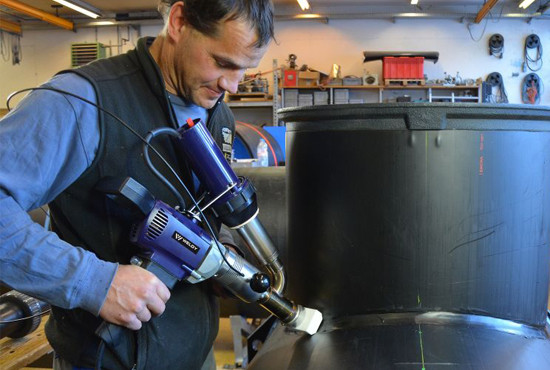
Extrusion welding melts both the sheet surface and the welding rod, depositing molten material through a welding shoe.
2.2 Why It's Used
Ideal for:
• Reinforcing welds
• Nozzle and flange connections
• Tank wall-to-base joints
• Interior and exterior corners
• Structured or curved surfaces
2.3 Compatible Materials
HDPE, PP, PVC, CPVC, PVDF, Sinoma twin-wall (with prep)
2.4 Strength Characteristics
Extrusion welding produces a large weld cross-section, making it suitable for high-load or chemically exposed reinforcement zones.
📌 Standards recognition
According to DVS 2207-4, extrusion welding is recommended for joining thermoplastics in areas with geometric constraints or where reinforcement is required.
2.5 Tools & Sourcing
• Brand: Weldy
• Supplied by Weissenberg
• Common models: Booster EX2 / EX3 / EX3 PLUS
3. Butt Fusion Welding
3.1 Process Overview
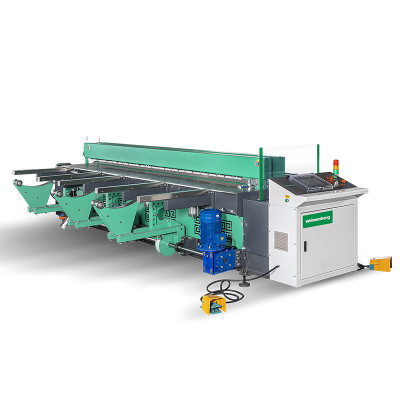
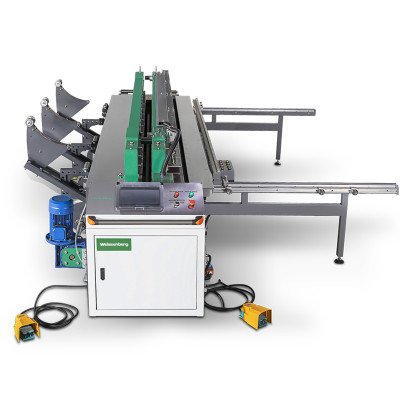
Butt fusion welding uses a heated platen to soften the sheet edges, followed by controlled pressure to form a homogeneous weld bead.
3.2 Engineering Benefits
• Highest joint strength
• Excellent repeatability
• Suitable for thick sheets (20–50 mm)
• Long, straight weld consistency
• Chemical containment capability
📌 Standards recognition
DVS 2207-1 defines butt fusion as a primary joining process for PE and PP sheets used in chemical tanks and water treatment equipment due to its homogeneous weld structure.
3.3 Industry Definition vs Device Capability
Industry Definition
In general practice:
Butt fusion welding is used for horizontal sheet joints and is not typically used for vertical seams.
This is due to:
• Melt sag under gravity
• Challenging vertical clamping
• Unstable pressure during vertical fusion
• Inability to form the main structural corners
Weissenberg Device Capability
Weissenberg plastic sheet butt fusion machines support:
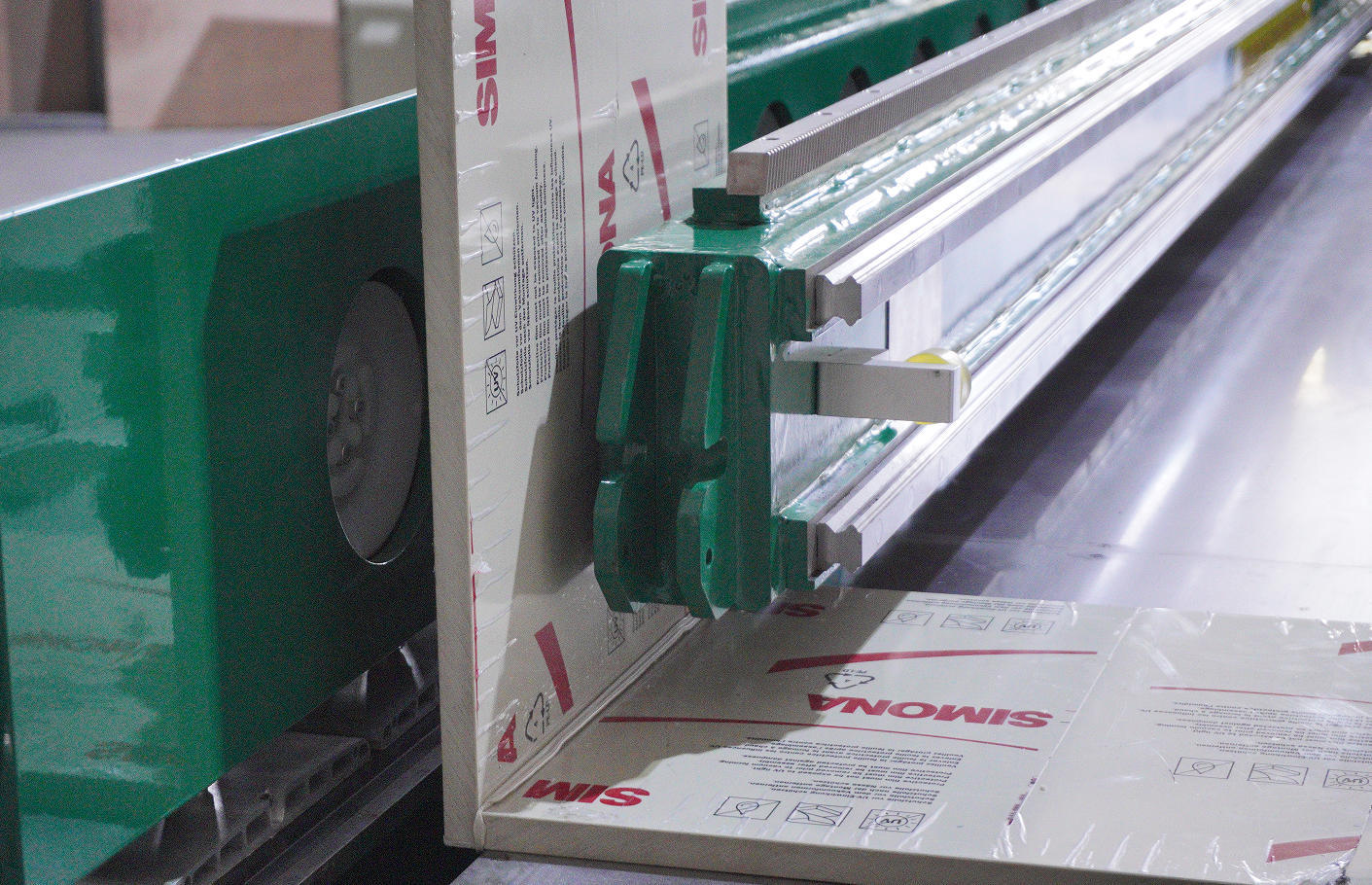
90° vertical butt fusion welding (inside or outside corners)
This enables:
✔ No melt sag
✔ Straight vertical seams
✔ Main structural corner welds
✔ Reduced extrusion reinforcement
✔ Compatibility with twin-wall (25 mm) and solid sheets (20–50 mm)
This capability is particularly relevant in:
• Environmental enclosures
• Fume extraction cabinets
• Square containment boxes
• Industrial panel assemblies
3.4 Compatible Materials
HDPE, PP, PVC, CPVC, PVDF, Twin-wall sheets
4. Summary Comparison
Capability | Hot Air | Extrusion | Butt Fusion (Industry) | Butt Fusion (Weissenberg) |
Primary structural weld | ✘ | ✓ (reinforcement) | ✓ | ✓ |
Thick sheet (20–50 mm) | ✘ | ✓ | ✓ | ✓ |
Curved geometry | ✘ | ✓ | ✘ | Partial |
Vertical welding | Limited | ✓ | ✘ | ✓ (90°) |
Chemical tank fabrication | Auxiliary | Reinforcement | Plates | Plates + Corners |
Repairs | ✓ | ✓ | ✓ | ✓ |
5. Application Mapping
Chemical / Water Treatment Tanks
• Base & top plates → Butt fusion
• Wall joints → Butt fusion + extrusion
• Nozzles & flanges → Extrusion
Environmental & Ventilation Cabinets
• 90° corners → Vertical butt fusion (Weissenberg)
• Interior reinforcement → Extrusion
Small Repairs
• Hot air
Thick Sections (PP / HDPE)
• Butt fusion preferred
6. Final Observation
Each welding process exists due to material physics and structural constraints, not because one is universally superior.
Most advanced fabrication workshops ultimately combine:
Butt fusion for main joints, extrusion for reinforcement, and hot air for fine work.
Weissenberg machines do not redefine welding standards; instead, they extend butt fusion capability into vertical 90° corner welding—an area traditionally dominated by extrusion welding—allowing fabricators to build square, load-bearing enclosures with higher structural efficiency.