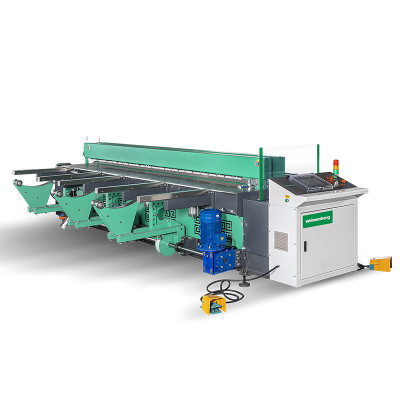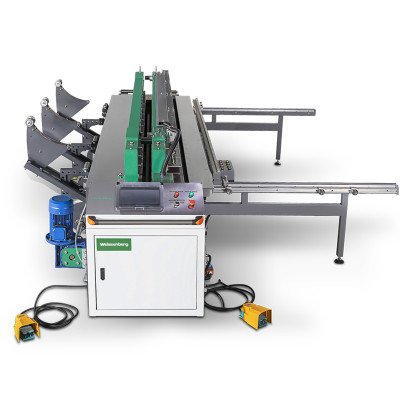
Why Some Plastic Sheet Welding Machines Perform Better Than Others: 7 Engineering Differences Every Buyer Should Know
Quick Answer
Two plastic sheet welders can use the same catalogue parts — the same PLC brand, the same pneumatic valves, the same clamps — and still perform very differently. The gap almost never comes from the individual components; it comes from how the machine is engineered as a system. The seven differences that separate a better welder from a merely adequate one are: system-level engineering rather than component assembly; the maturity of the PLC software; pressure stability from proportionally controlled pneumatics; future-proofing for the sizes and materials you will weld next; digital manufacturing and traceability; rolling accuracy for cylindrical tank work; and long-term reliability measured by total cost of ownership. The practical answer for a buyer is to stop comparing catalogues part-by-part and ask one question: what full-seam outcome does the machine produce, and can it repeat that outcome on every job without the operator compensating by hand?
What Are the Engineering Differences in a Plastic Sheet Welder?
Definition: Engineering Differences in Plastic Sheet Welders
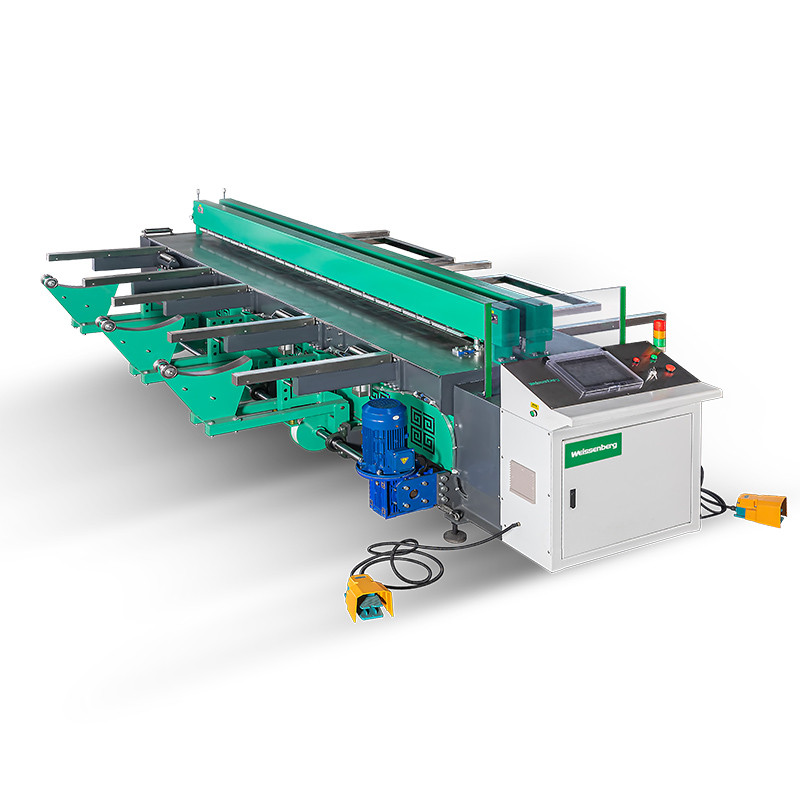
The engineering differences in a plastic sheet welder are the system–level design and integration decisions — not the brand names on the parts list — that determine whether a machine can deliver a fully fused, dimensionally accurate welded seam repeatably. A plastic sheet (heat tool) butt welder pushes two sheets together against a heated plate and, after a controlled heating phase, brings the plasticised ends together under welding pressure to fuse them into one continuous joint. How that weld succeeds or fails is determined long before the operator presses the start button: by the stiffness of the frame that carries the clamp force across a 3 m, 5 m, or 7 m seam; by the flatness and parallelism of the work platform and heating plate; by how firmly the clamps hold the sheet through the heat-soak; by whether welding pressure is set by manual adjustment or commanded electronically by the controller; by the maturity of the PLC program that sequences the cycle; and by the durability of the whole assembly over years of daily cycles. These are integration and control properties, and they are what a buyer is really paying for when two machines look identical on a spec sheet but perform differently on the shop floor.
It is written for plastic fabrication shops, tank and duct builders, and buyers choosing between welders that appear to have similar parameters. For the process side of the same subject, see our plastic sheet butt welding process guide; for the standards a machine has to support, see the DVS 2207 compliance guide.
Difference 1: System-Level Engineering vs Component Assembly
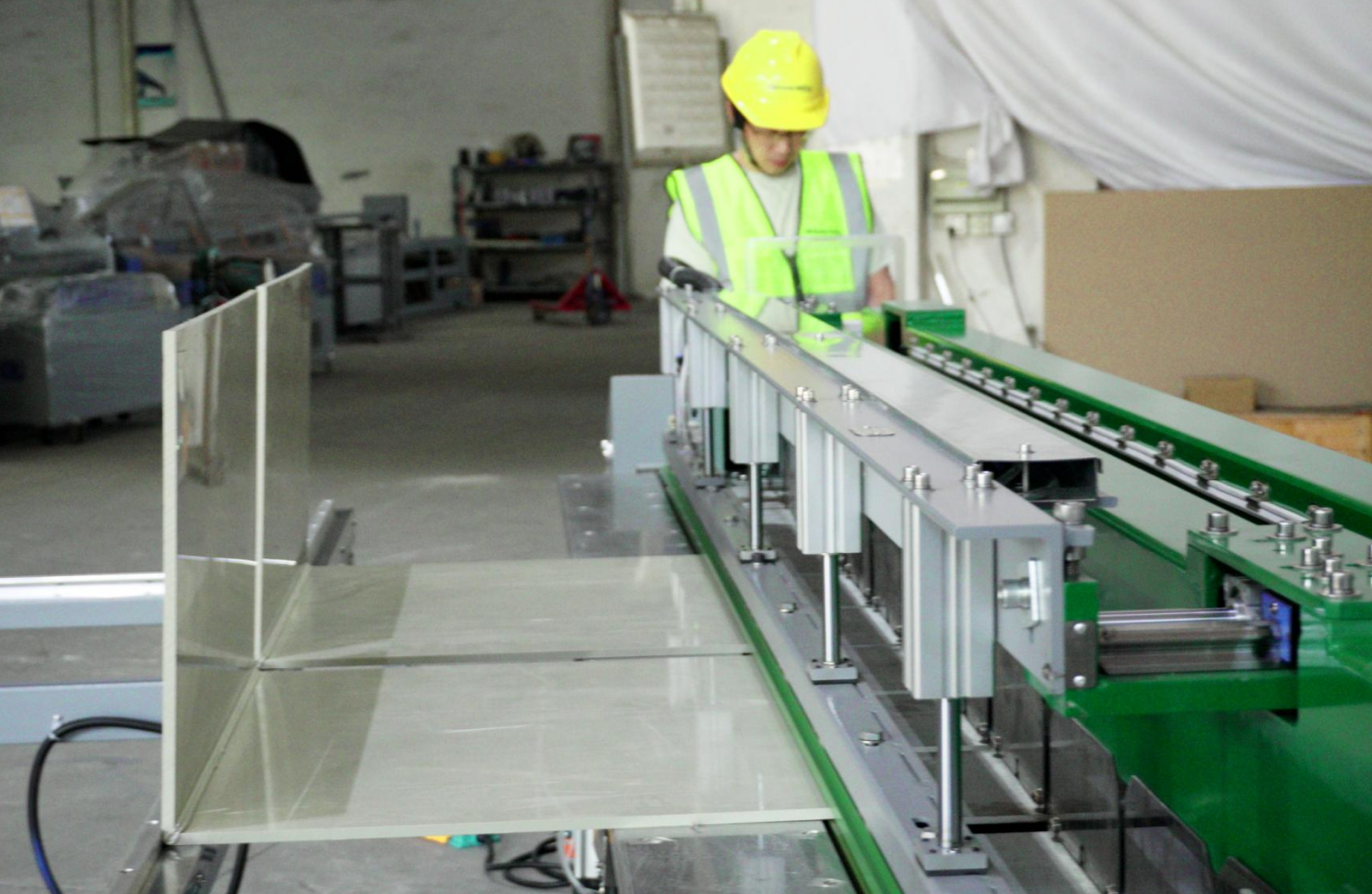
The first difference is philosophical, and it is the root of the other six. A component-assembly machine is built by selecting parts to their individual datasheets — a clamp rated to a force, a frame to a load, a valve to a pressure — and then relying on a skilled operator to compensate for whatever the combination does not do well. A system-engineered machine starts from the required weld outcome — full fusion across the entire seam, uniform pressure from end to end, controlled heating, and dimensional accuracy — and matches every subsystem so the whole delivers it without heroics from the operator.
The difference shows up in ways that a parts list hides:
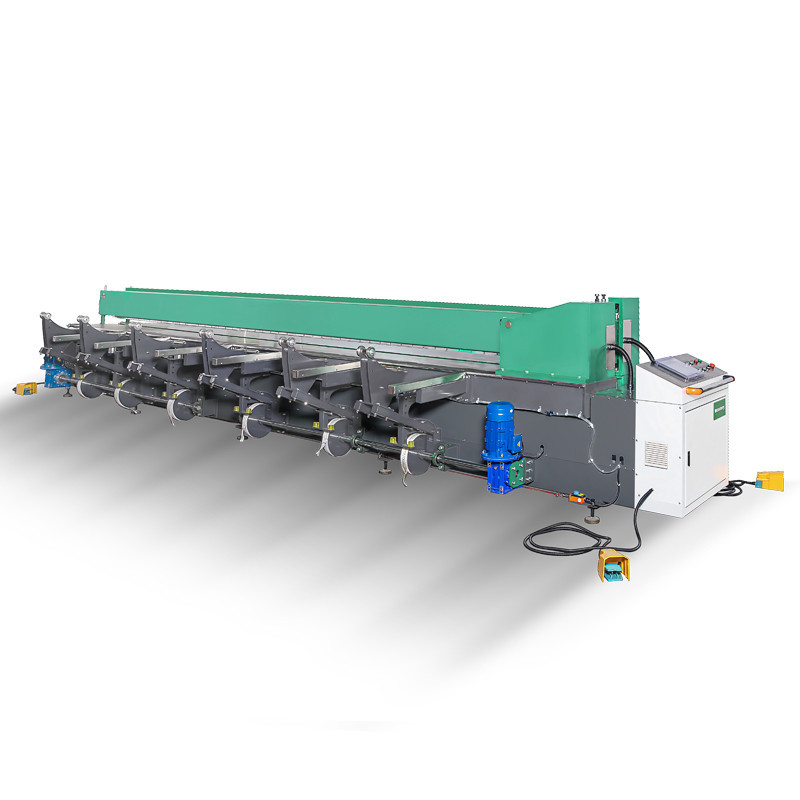
- Frame stiffness and force distribution. A seam 5 m or 7 m long only fuses uniformly if the clamp force is distributed evenly along its whole length. If the frame or work platform deflects under load, welding pressure can become uneven along the seam, increasing the risk of inconsistent fusion from one end to the other. A stiff, precision-flat platform is what keeps the pressure uniform across the full width.
- Clamp synchronization. Clamps that move out of step with each other can twist or bow the sheet, so the two mating edges are not parallel when they meet the heating plate. Weissenberg’s machines use a synchronized clamping arrangement so both sheets travel together and stay parallel throughout the cycle.
- Heating-plate geometry. The plate has to meet the prepared sheet ends evenly and at a consistent temperature. A plate that is not parallel to the sheet plane, or that runs hot in places, transfers heat unevenly and creates the weak, cold ends that later leak.
- Matched sub-systems. The heating power, the clamp force, the drive for the moving carriage, and the controller all have to be matched to the sheet thicknesses the machine is sold to weld. A stronger clamp with an under-powered heating system, or a fast carriage with a slow controller, produces an inconsistent weld no matter how good each part is.
The buyer’s move is simple: ask not only what parts are in the machine, but how they were matched and what full-seam result the combination produces.

Difference 2: PLC Software Maturity — Hardware Is Only Half the Story
A controller is a processor; what makes a machine perform well is the software logic running on it. This is the most under-examined difference in the whole purchase, because two machines can carry the same PLC model and behave completely differently. The controller is what turns good hardware into a repeatable weld: it sequences the heat-soak, the changeover, and the joining phase; it holds the parameters for each material and thickness; it enforces interlocks; and it decides what happens when something goes wrong.
A mature welding program typically gives the operator:
| Software capability | What it changes on the shop floor |
|---|---|
| Stored program sets per material and thickness | The welder recalls a saved recipe instead of dialling settings by hand, so the hundredth seam is run the same way as the first |
| Controlled, timed cycle (heating, changeover, joining, cooling under pressure) | Removes operator-to-operator timing variation, which is a common cause of inconsistent fusion |
| Consistent changeover speed | The time between removing the plate and joining the ends must be short and repeatable; software keeps the changeover sequence consistent and reduces cycle-to-cycle variation |
| Interlocks and fault handling | The machine can refuse to start an incomplete setup, and responds predictably to a power or air interruption rather than leaving a half-finished weld |
| Clear operator interface | Fewer setup mistakes, faster training, and a visible record of what the machine is doing |
An immature program pushes all of that responsibility back onto the operator. The machine still works — in the hands of an experienced welder — but the process is no longer reproducible, and reproducibility is exactly what a fabrication business needs to quote and deliver reliably. See our 5-stage welding cycle guide for what a well-controlled cycle should look like.
Difference 3: Pressure Stability — Why Proportionally Controlled Pneumatics Matter
Heated-tool butt welding is a pressure-controlled process, not just a temperature-controlled one. Each material has a welding pressure (expressed as a force per unit area of the welded cross-section), and the machine’s job is to apply that pressure smoothly, hold it constant through the joining and cooling phase, and deliver it uniformly across the whole seam. Pressure that is too low leaves incomplete fusion; pressure that is too high squeezes out too much melt and thins the weld. Either way the joint is weaker than it should be — and it can look acceptable from the outside.
This is where the difference between a manual regulator and proportionally controlled pneumatics becomes visible:
- Manual adjustment is harder to hold consistent. Manual pressure adjustment can be more sensitive to supply-air variation and operator setup, so pressure should be verified regularly.
- Proportional control is more repeatable. Compared with manual pressure adjustment, electro-pneumatic proportional control allows the PLC to command repeatable pressure setpoints and transition between welding stages more consistently. Where pressure feedback is integrated, the controller can also monitor and correct deviations during the cycle.
- Stability across the seam still depends on the mechanics. Even perfect pressure control cannot fix an unevenly distributed force; the valve and the stiff, synchronized clamp platform have to work together.
This is why Weissenberg uses SMC pneumatic components on its machines: a proportional valve under PLC command is the practical way to hold welding pressure steady cycle after cycle rather than relying on a manual gauge. On the bending side, the same system-level thinking shows up in servo-controlled electric cylinders that drive the bending motion precisely.
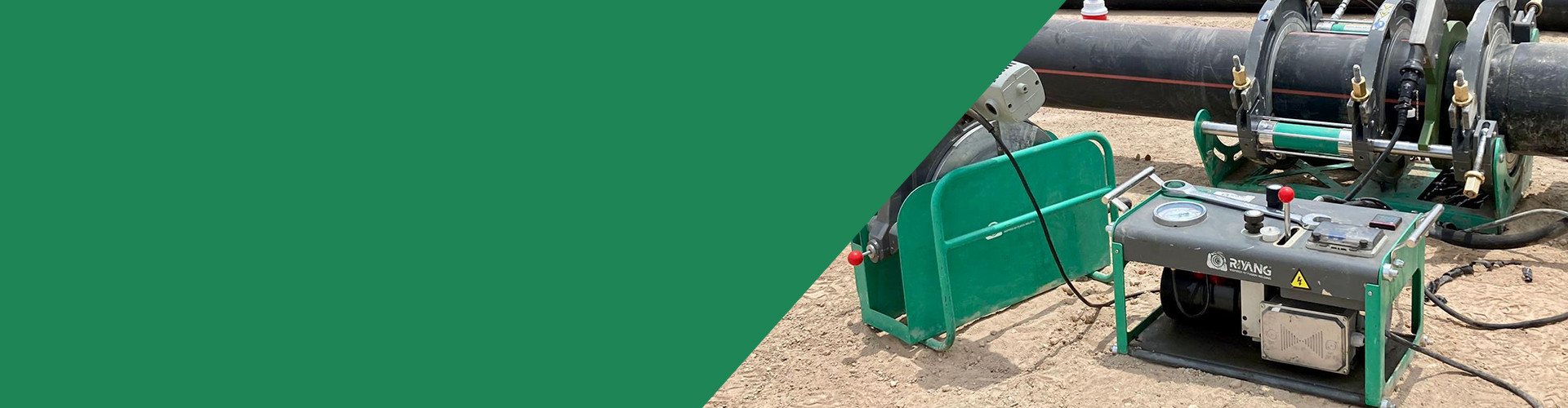
Difference 4: Future-Proofing — Buying for Tomorrow’s Capacity Needs
A welder is a capital asset bought to earn for years, so the right question is not only what can it weld today but what will the market ask me to weld next. Three dimensions of headroom matter most:
- Working width. Sheet sizes and panel dimensions tend to grow, not shrink. A machine sized exactly to today’s panels forces a reinvestment the first time a customer asks for a larger tank or a wider duct panel. Selected WeiBond models are available in working widths such as 3,000, 5,000 and 7,000 mm, with additional sizes available across the range, so a shop can choose headroom instead of hitting a wall.
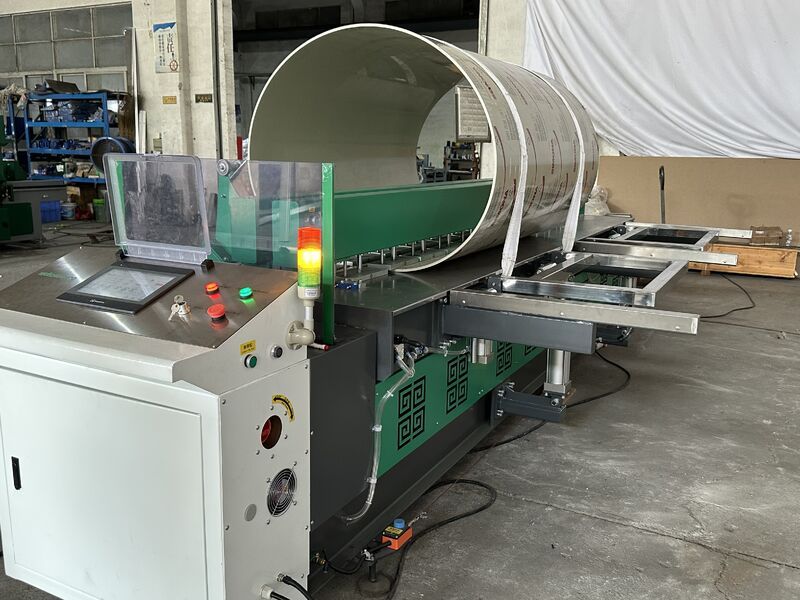
- Auxiliary capability. A flat-panel butt welder can be extended into corners and curves with optional tooling. An optional 90° angle device adds the ability to weld perpendicular joints, and an optional rolling auxiliary device turns the same machine into one that can form curved round sections — a significant capability gain for cylindrical tank work.
- Controller and software headroom. A controller that can hold more programs and accept future updates protects the machine from becoming obsolete before the iron wears out.
Future-proofing has to stay proportionate, of course. Buying a machine far beyond realistic demand wastes capital that could be spent on throughput you actually have. The disciplined approach is to size the machine to the upper band of the work you can reasonably expect to quote over the asset’s life — not to today’s single job, and not to an imaginary someday.
Difference 5: Digital Manufacturing — Traceability, Reports, and Remote Upgrades
The fifth difference is the least visible on a spec sheet and increasingly important to buyers: what the machine can document. In regulated and industrial markets, customers are starting to expect evidence that a weld was made to a controlled procedure — not just a finished part. A machine whose controller records the parameters actually used for each weld can support that expectation directly.
Where the controller provides it, digital capability can include:
- Parameter traceability. A record of the material, thickness, heating temperature, welding pressure, and cycle times used for a weld.
- Reports and logs. Exported data that can accompany a delivered tank, duct, or spool as fabrication documentation and support inspection under the applicable assessment standards.
- Remote service and upgrades. The ability to diagnose faults, update software, and support the machine without a site visit — which reduces downtime and travel cost.
Not every shop needs all three, and a machine should be judged against the markets it serves: a jobbing shop doing one-off non-critical work may never need a weld report, while a supplier to chemical, semiconductor, water, or food-grade customers increasingly will. Digital capability is an engineering property of the controller and its program, not an accessory, and it belongs on the comparison list alongside the mechanical specs.
Difference 6: Rolling Accuracy for Cylindrical Tank Production
Cylindrical work — vertical cylindrical tanks, round scrubber shells, silos, and large-diameter round duct — is where a machine’s forming accuracy becomes a weld-quality issue. A round shell is made by curving a flat, development-shaped sheet into a cylinder and welding the longitudinal seam where the two edges meet. If the curve is inaccurate, those edges do not line up cleanly: you get gaps, overlaps, or a spiral seam, and the fit-up problem is transferred straight into the weld.
This is why rolling accuracy is an engineering difference rather than a workshop detail:
- Fit-up governs weld quality. A butt weld can only be as good as the alignment of the two edges entering the plate. Accurate curving produces the tight, uniform joint the process needs; poor curving produces a seam that is either starved of material or over-thick with flash.
- Roundness affects the whole tank. A shell that rolls out of round is harder to fit internals, flanges, and heads to, and it complicates the structural design. Cylindrical plastic tank design references a dedicated standards family (the DVS 2205 series covers the design of welded thermoplastic tanks), and the fabrication accuracy the machine delivers is what lets the design assumptions hold.
- The device is a capability, not a compromise. On the WeiBond family, an optional rolling auxiliary device extends the machine from flat-panel welding into curved-section work, so a tank shop does not need a separate rolling line for modest-diameter round shells.
When a vendor claims a butt welder “does round tanks,” ask how the sheet is curved, what diameters it supports, and how the seam reaches the clamps.
Difference 7: Long-Term Reliability and Total Cost of Ownership
The last difference is the one that only becomes obvious in year three. Purchase price is only one part of what a welder costs over its service life. The rest — and the part that separates a good buy from a mistake — is total cost of ownership:
- Purchase price. The headline number, and the only one most buyers compare.
- Running cost. Electrical power, compressed-air consumption, and consumables. Machines with matched, efficient subsystems waste less of both energy and air.
- Maintenance and spares. Top-brand core components and a design that is easy to service reduce both the cost and the length of breakdowns. Long, unpredictable downtime is the most expensive failure mode in a production shop.
- Rework and scrap. A machine that depends on operator compensation produces more rejected or reworked parts. Each reject is material, labour, and schedule lost — costs that do not appear in the purchase price but arrive every month.
- Lifetime and resale. A machine built to run for years, supported by an available spares chain, holds value and spreads its cost over far more output.
Two welders with the same price tag can therefore have very different costs. The disciplined way to compare them is to build a simple model of your own volumes: annual metres of seam, realistic reject rates, maintenance expectations, and the cost of an hour of downtime. That model, not the invoice, is the true comparison. Reliability is not a vague virtue; it is a line item.
How Weissenberg Applies the Seven Principles
Weissenberg builds its welders around these seven differences rather than a parts list. The table below maps each principle to a Weissenberg machine; treat the details as directional and confirm the exact configuration for your application with our engineers.
| # | Engineering principle | How it is applied |
|---|---|---|
| 1 | System-level engineering | Matched frame, work platform, synchronized clamping, heating, pressure control and machine motion designed as one welding system, so welding pressure stays uniform across the full seam width |
| 2 | PLC software maturity | Mitsubishi PLC with touchscreen control and stored welding programs, giving repeatable, operator-independent cycle control |
| 3 | Pressure stability | SMC pneumatic components with proportional control for welding pressure, and servo-controlled electric cylinders for precise bending motion on the welding-and-bending machines |
| 4 | Future-proofing | Butt welder working widths of 3,000, 5,000, and 7,000 mm, with optional 90° angle and rolling auxiliary devices to add corner and round-section capability later |
| 5 | Digital manufacturing | PLC-based control with stored parameters and stable, documentable cycle control — ask our team about the data and reporting options available for your application |
| 6 | Rolling accuracy | Optional rolling auxiliary device for forming curved round sections and cylindrical tank shells on the same machine |
| 7 | Long-term reliability | Core components sourced from top international brands, a sturdy frame, and welding procedures designed to align with the applicable DVS 2207 requirements |
Across the range, machines are rated to weld 3–40 mm PE, PP, and PVDF sheet (with the exact thickness range depending on the model), operate up to a 260 °C maximum heating temperature, and use 4–8 bar compressed air. For reference, see the WeiBond 3000, WeiBond 5000, and WeiBond 7000 butt welders, the WeiForm Pro 3000 welding-and-bending machine, and the wider Plastic Sheet Welder range.
Decision Framework: Which Engineering Level Fits Your Shop?
Not every shop needs the highest level of every one of the seven differences. Use the two columns below as a practical filter, then weight the differences against the work you actually do.
A higher level of system engineering matters most when…
- You weld thick sheet or long, wide seams where uniform pressure across the full seam is hard to achieve by hand
- You supply regulated or industrial markets (chemical, water, semiconductor, food-grade) that expect documented, repeatable quality
- You run repeat production and need the tenth unit to match the first without relying on a single experienced operator
- You build cylindrical tanks or round sections and need accurate rolling plus a clean longitudinal seam
- You expect your product range to grow in size or thickness, so additional capacity headroom may help avoid an early machine replacement or upgrade
- Unplanned downtime and rework are expensive for your business
A more basic machine can be sufficient when…
- Your work is small, thin, or short-seam, where force distribution across a wide seam is not the constraint
- You do low-volume, one-off or non-critical fabrication with no traceability requirement
- You have deep operator experience and the process is genuinely under control by hand
- Your capital budget is tight and the extra engineering would not be repaid by your current job mix
- You do not expect your sizes, thicknesses, or markets to change over the asset’s life
For many growing fabrication businesses, pressure stability and cycle control can become priorities because they directly affect repeatability and rework, while rolling capability becomes especially valuable for shops producing cylindrical or curved components. Match the level to the trajectory, not the single job in front of you.
What to Check Before You Buy a Plastic Sheet Welder
Turn the seven differences into seven questions, and ask them of every machine on your shortlist:
- System: How is clamp force distributed across the full seam width, and what keeps the mating edges parallel to the heating plate?
- Software: How are welding programs stored and recalled by material and thickness, and how controlled and repeatable is the cycle?
- Pressure: Is welding pressure set by a manual regulator or regulated automatically, and is it held constant through the cycle?
- Future-proofing: What is the maximum working width and thickness, and what optional tooling (90° angle, rolling) can be added later?
- Digital: What does the controller record per weld, in what format, and how is it retrieved?
- Rolling: How is curved sheet formed, what round-section diameters are supported, and how is the longitudinal seam presented to the clamps?
- TCO: What are the power and air consumption, expected maintenance, spares availability, and the realistic reject rate for your work?
Ask for a demonstration on your material and thickness, and pay particular attention to the ends of the seam, where uneven pressure or alignment can become easier to detect.
FAQ
What actually makes one plastic sheet welder perform better than another?
It is almost never the individual components. The gap comes from system-level engineering: how the frame, clamps, work platform, heating plate, pressure control, drive, and controller are matched and integrated so the machine delivers full fusion and uniform pressure across the entire seam, repeatably, without the operator compensating by hand. Two machines can share the same PLC, valves, and clamps and still perform very differently because of how those parts are specified, matched, calibrated, and sequenced. The right comparison is the full-seam outcome and its repeatability, not the parts list.
Why does the PLC and its software matter so much in a plastic sheet welder?
Because the controller is what turns good hardware into a repeatable weld. A mature PLC program stores a welding recipe per material and thickness, sequences the heating, changeover, joining, and cooling phases with consistent timing, enforces interlocks, and handles faults predictably. That removes operator-to-operator variation, a common cause of inconsistent fusion. An immature program pushes all of that back onto the operator and makes the process hard to reproduce. Always ask how programs are stored and recalled, and how the machine behaves on a fault or power interruption.
Why is pressure stability important in heated-tool butt welding?
Butt welding is a pressure-controlled process as well as a temperature-controlled one. Each material has a recommended welding pressure, and the machine has to apply it smoothly, hold it constant through joining and cooling, and distribute it evenly across the whole seam. Too little pressure leaves incomplete fusion; too much squeezes out melt and thins the weld. Manual pressure adjustment can be more sensitive to supply-air variation and operator setup, so it should be verified regularly. Electro-pneumatic proportional control lets the PLC command repeatable pressure setpoints and, where pressure feedback is integrated, monitor and correct deviations during the cycle — which is why the pressure-control system is a real engineering difference.
What does “future-proofing” mean when buying a plastic sheet welder?
It means choosing the machine for the upper band of the work you can reasonably expect to quote over its life, not just today’s job. In practice it comes down to three kinds of headroom: working width (so larger panels and tanks do not force an early reinvestment), auxiliary capability (optional 90° angle and rolling devices that add corner and round-section work to the same machine), and controller headroom (more programs and future updates). It must stay proportionate — overbuying beyond realistic demand wastes capital — but sizing exactly to a single current job is the more common and more expensive mistake.
Can a plastic sheet welder produce round or cylindrical tank shells?
Yes, if it is equipped for it. A cylindrical shell is made by curving a flat, development-shaped sheet into a round section and welding the longitudinal seam where the edges meet. An optional rolling auxiliary device on a butt welder forms that curve, so a tank shop can produce round shells without a separate rolling line. Rolling accuracy matters because the fit-up at the longitudinal seam — the alignment of the two edges — governs the weld quality, and an out-of-round shell also complicates fitting internals, flanges, and heads. Ask what diameters the device supports and how the seam is presented to the clamps.
How should I compare the total cost of ownership of two welders?
Start from purchase price, then add everything the invoice leaves out: electrical and compressed-air consumption, consumables, expected maintenance and spares, the cost of unplanned downtime, and the rework and scrap generated by inconsistent welds. A cheaper machine that depends on operator compensation can cost more every month in rejects and lost schedule time, while a machine built from durable, top-brand components with a serviceable design spreads its cost over far more output. Build the model on your own annual seam metres, realistic reject rate, and the value of an hour of downtime.
Are DVS standards relevant to choosing a welding machine?
Yes, indirectly. The DVS 2207 series defines welding procedures for thermoplastics (with parts by material, such as DVS 2207-1 for PE-HD, 2207-11 for PP, 2207-12 for PVC-U, and 2207-15 for PVDF), DVS 2202 covers the assessment of welds, DVS 2203 their testing, and the DVS 2205 series the design of welded thermoplastic tanks. A machine should support the procedures relevant to the materials and markets you serve. Always confirm the current edition of any standard with the applicable body and match it to your project specification.
Key Takeaways
- The performance difference between two plastic sheet welders comes from system-level engineering, not the brand names on the parts list — compare the full-seam outcome and its repeatability, not the catalogue.
- Difference 1 — system vs assembly: uniform clamp force across the whole seam, synchronized clamping, and a precision-flat platform are what keep pressure even from end to end.
- Difference 2 — PLC software maturity: stored programs and a controlled, timed cycle make the weld reproducible instead of operator-dependent.
- Difference 3 — pressure stability: proportionally controlled pneumatics (for example SMC components under PLC command) allow repeatable pressure setpoints; where pressure feedback is integrated, the controller can also monitor and correct deviations during the cycle.
- Difference 4 — future-proofing: choose working-width, auxiliary-tooling, and controller headroom for the upper band of the work you expect — but keep it proportionate to real demand.
- Difference 5 — digital manufacturing: traceability, reports, and remote service are controller engineering, and increasingly expected by buyers in regulated markets.
- Difference 6 — rolling accuracy: accurate curving is what makes a clean longitudinal seam on cylindrical tanks and round sections, supported by an optional rolling device.
- Difference 7 — total cost of ownership: purchase price is only one part of lifetime cost; running cost, maintenance, downtime, and rework should be included in the comparison.
- Weissenberg applies all seven across its families: WeiBond butt welders (3–40 mm PE/PP/PVDF, 260 °C max, optional 90° angle and rolling devices) and the WeiForm Pro 3000 welding-and-bending machine (Mitsubishi PLC, SMC pneumatic components, servo-controlled electric cylinders for bending).
References and Further Reading
- Weissenberg — WeiBond 3000 plastic sheet butt welder (3–40 mm PE/PP/PVDF; 3,000 mm max working width; 7.2 kW; 260 °C max heating temperature; 4–8 bar air; optional 90° angle and rolling auxiliary devices)
- Weissenberg — WeiBond 5000 plastic sheet butt welder (3–40 mm PE/PP/PVDF; 5,000 mm max working width; 8.5 kW; 260 °C max; optional 90° angle and rolling auxiliary devices)
- Weissenberg — WeiBond 7000 plastic sheet butt welder (3–40 mm PE/PP/PVDF; 7,000 mm max working width; 11 kW; 260 °C max; sturdy frame and high-density clamps for stable, consistent welds; optional 90° angle and rolling auxiliary devices)
- Weissenberg — WeiForm Pro 3000 welding & bending machine (3,000 mm working width; welding 3–30 mm; bending 3–20 mm at 5°–95°; Mitsubishi PLC and SMC pneumatic components; servo-controlled electric cylinders for bending; 260 °C max heating temperature)
- Weissenberg — Plastic sheet butt welding process: setup, 5-stage welding cycle & inspection guide
- Weissenberg — DVS 2207 compliance guide and quality checklist
- DVS 2207 series — Welding of thermoplastics (heated-tool parts: DVS 2207-1 PE-HD, 2207-11 PP, 2207-12 PVC-U, 2207-15 PVDF; extrusion welding: DVS 2207-4), DVS Media GmbH, Düsseldorf
- DVS 2202 series — Evaluation of joints between thermoplastics (visual assessment of heated-plate and extrusion welds; verify current supplements and editions)
- DVS 2203 series — Testing of welded joints of thermoplastics (mechanical testing of weld samples; verify current parts and editions)
- DVS 2205 series — Design of thermoplastic tanks and apparatus (for example DVS 2205-2 for vertical cylindrical unpressurised tanks and DVS 2205-5 for rectangular tanks; verify current editions)
Choosing a plastic sheet welder or deciding whether to upgrade and want a second opinion on which of the seven differences actually matter for your work? Talk to a Weissenberg engineer — the right machine depends on your sheet materials and thicknesses, your seam lengths and part sizes, your production volume, and the compliance and documentation requirements of your market.