Why Pipe Fusion Quality Matters More in Large Infrastructure Projects
Introduction
As global infrastructure projects continue to increase in scale, pipeline reliability is becoming more important than ever.
In modern HDPE pipeline systems, the long-term performance of the entire network depends not only on pipe material quality, but also on the stability and consistency of the fusion process itself.
This is especially important in applications such as:
• municipal water systems
• gas distribution pipelines
• mining infrastructure
• wastewater projects
• industrial fluid transportation
• large-scale irrigation systems
In many large infrastructure projects, pipeline failure is no longer viewed as a simple repair issue. Leakage, joint failure, and shutdown risks can lead to significant maintenance costs and operational disruption.
As a result, pipe fusion quality is becoming a critical part of overall infrastructure engineering reliability.
Why Fusion Quality Directly Affects Infrastructure Reliability
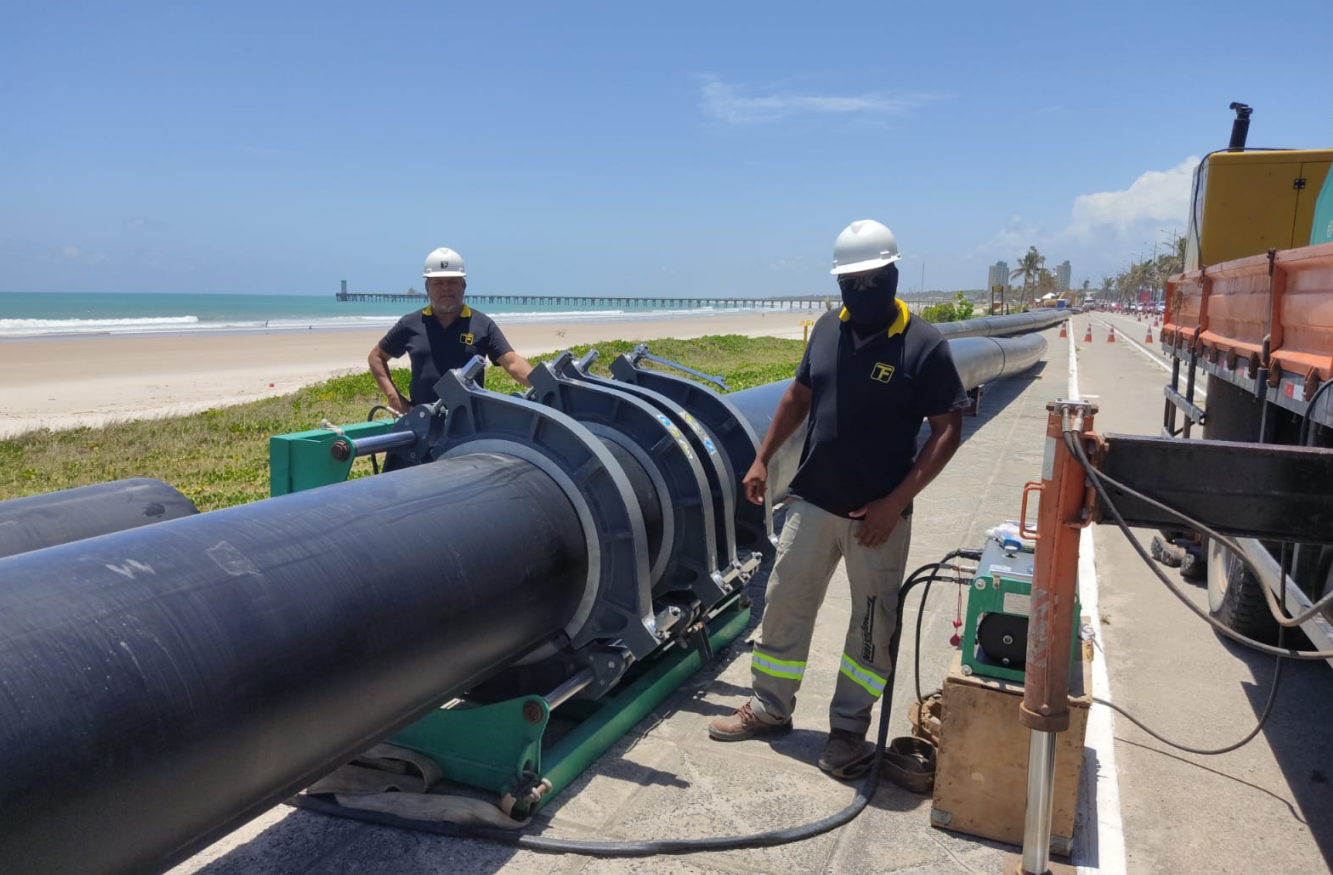
One of the biggest advantages of HDPE pipeline systems is the ability to create leak-free monolithic joints through butt fusion welding.
When properly performed, the fusion joint can achieve strength comparable to the pipe itself, creating a continuous pipeline system with excellent long-term durability.
However, achieving stable fusion quality requires far more than simply heating and joining pipes together.
In large infrastructure projects, poor fusion quality may lead to:
• leakage
• pressure instability
• premature joint failure
• costly maintenance
• buried pipeline repair challenges
• operational downtime
Compared with above-ground systems, buried pipelines are significantly more difficult and expensive to repair after installation.
This is one reason why contractors and project owners are increasingly focusing on fusion consistency and process control rather than simply installation speed.
Large-Diameter Pipe Fusion Requires Different Welding Logic
As pipe diameter increases, the fusion process becomes far more sensitive.
Large-diameter HDPE pipe fusion applications require better control of:
• heating consistency
• pipe alignment
• fusion pressure
• welding bead formation
• cooling stability
• hydraulic pressure accuracy
Even small process deviations can become amplified in large-diameter infrastructure systems.
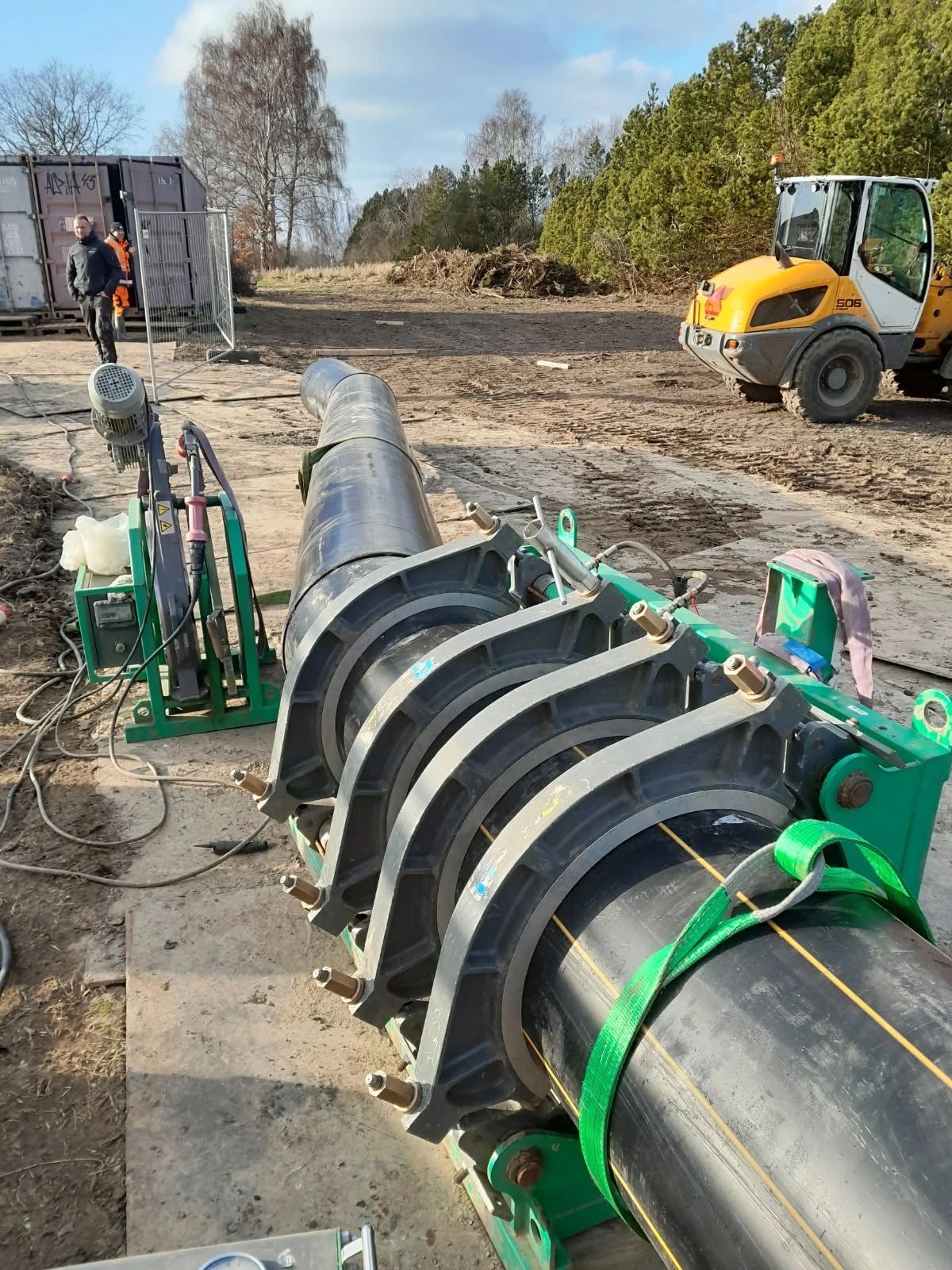
This is why modern infrastructure projects are increasingly moving toward hydraulic and automatic pipe butt fusion machines capable of providing more stable welding control.
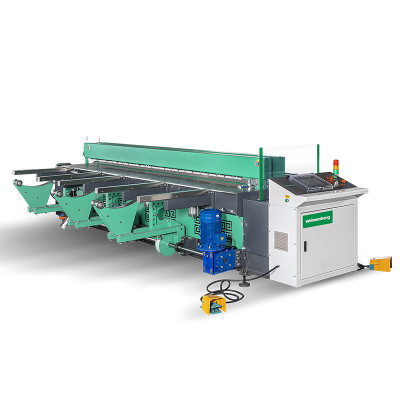
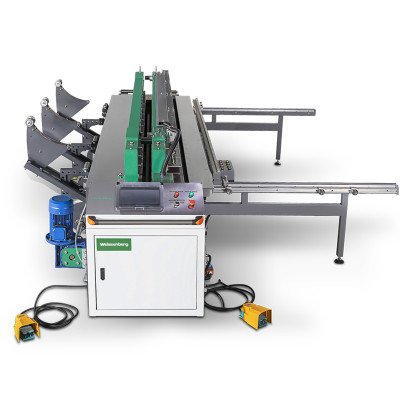
Backed by Riyang’s manufacturing experience in thermoplastic pipe fusion technology, Weissenberg provides pipe butt fusion solutions designed for infrastructure and industrial pipeline applications.
In large-diameter pipeline projects, stable hydraulic control, structural rigidity, and welding repeatability are becoming increasingly important for long-term infrastructure reliability.
Fusion Consistency Depends on More Than Equipment Alone
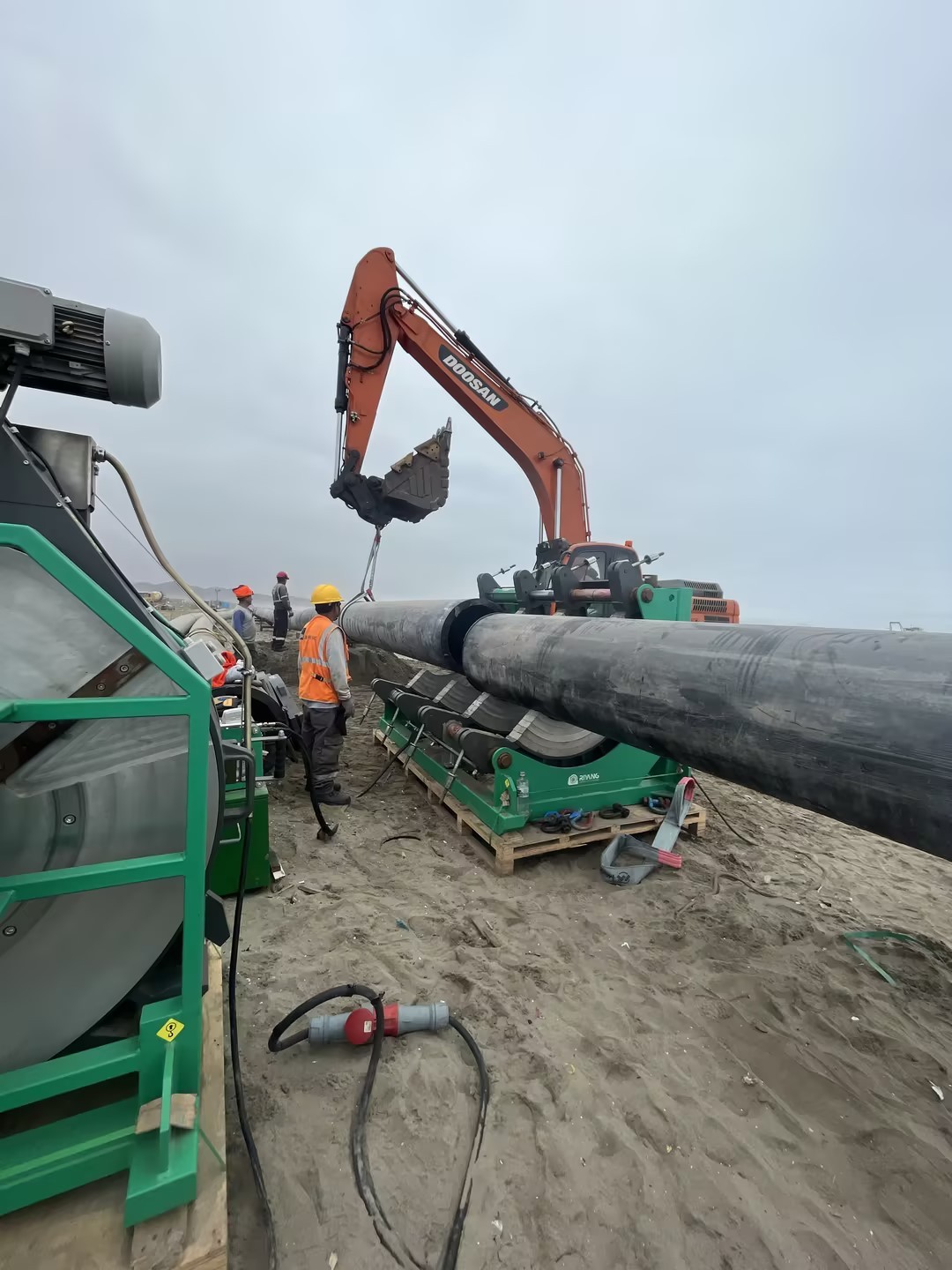
Even advanced fusion equipment still depends heavily on proper process control.
In real project environments, fusion quality can be affected by:
• incorrect heating temperature
• poor pipe alignment
• unstable pressure
• contaminated pipe surfaces
• insufficient cooling time
• environmental conditions
• operator error
Industry standards such as ASTM F2620 and ISO 21307 place strong emphasis on proper fusion procedures, pressure control, and process repeatability.
This is why many infrastructure projects increasingly require:
• trained operators
• documented fusion procedures
• controlled welding parameters
• repeatable welding processes
• project traceability
In many cases today, fusion quality is viewed as an engineering quality control process rather than simply a pipe joining operation.
Data Logging and Traceability Are Becoming More Important
As infrastructure standards continue evolving, data logging and fusion traceability are becoming increasingly common in large pipeline projects.
Project owners and contractors are paying greater attention to:
• fusion records
• welding parameters
• heating temperature
• pressure curves
• cooling times
• operator identification
• project documentation
This trend is especially visible in:
• gas pipeline projects
• municipal infrastructure
• mining applications
• government-funded systems
• high-specification industrial projects
Modern automatic pipe butt fusion machines can now automatically record and monitor critical fusion parameters throughout the welding process.
For infrastructure projects requiring long-term reliability and quality verification, traceability is becoming an increasingly important part of pipeline construction management.
Why Infrastructure Projects Are Moving Toward More Stable Fusion Systems
In many modern pipeline projects, the focus is gradually shifting from simply completing installation work to ensuring long-term system reliability.
This is one reason why more contractors are investing in:
• hydraulic fusion systems
• automatic welding control
• data-recording systems
• repeatable fusion procedures
• operator training
Compared with traditional manual welding approaches, more advanced fusion systems can help improve:
• welding repeatability
• pressure consistency
• alignment accuracy
• project quality control
• long-term infrastructure reliability
As pipeline systems continue to expand globally, pipe fusion quality is expected to become an even more important factor in modern infrastructure engineering.
For infrastructure projects requiring higher welding consistency and long-term reliability, selecting the right fusion system is becoming increasingly important.
Learn more about Weissenberg pipe butt fusion solutions.
Pipe Fusion Is Becoming More Engineering-Oriented
Today, pipe fusion is no longer viewed as a simple welding process.
In large infrastructure applications, it is increasingly becoming part of a larger engineering quality system involving:
• process control
• repeatability
• traceability
• operational safety
• long-term performance
As infrastructure projects become larger and more demanding, fusion quality is expected to play an increasingly important role in pipeline system reliability worldwide.
For companies involved in HDPE pipeline construction, selecting a stable and reliable pipe butt fusion machine is no longer only about welding capability — it is about long-term engineering confidence.
In real infrastructure projects, environmental conditions such as temperature, dust, rain, and uneven terrain can also influence fusion consistency. This is why stable machine structure, reliable hydraulic systems, and repeatable fusion procedures are becoming increasingly important in modern pipeline construction.
If you are working on HDPE infrastructure projects and would like to discuss hydraulic, automatic, or large-diameter pipe fusion solutions, the Weissenberg team is always available to share technical experience and project recommendations, supported by Riyang's manufacturing expertise in thermoplastic pipe fusion systems.