Why PP and PVDF Are Replacing Metal in Environmental Equipment Fabrication
Introduction
For many years, stainless steel and coated metal systems were widely used in environmental engineering equipment such as chemical tanks, scrubbers, wastewater treatment systems, and industrial ventilation structures.
However, across many industries today, thermoplastic materials are rapidly becoming the preferred alternative.
In many environmental industries, the transition from metal fabrication to thermoplastic systems is no longer just a material change — it is increasingly becoming a long-term engineering strategy.
Materials such as PP (Polypropylene) and PVDF (Polyvinylidene Fluoride) are increasingly replacing metal in environmental fabrication because of their corrosion resistance, lower maintenance requirements, and long-term operational stability.
As environmental projects continue to become larger and more technically demanding, manufacturers are paying closer attention not only to structural strength but also to chemical resistance, fabrication efficiency, and lifecycle cost.
This shift is changing how modern environmental equipment is designed and manufactured.
Corrosion Resistance Is Becoming More Important Than Ever
One of the biggest reasons PP and PVDF are replacing metal is corrosion resistance.
Environmental systems often operate in highly aggressive conditions involving:
• acidic chemicals
• alkaline liquids
• industrial exhaust gases
• wastewater treatment environments
• chemical process media
Even stainless steel systems can eventually suffer from corrosion, especially in long-term chemical exposure environments.
In some industrial applications, corrosion-related maintenance, coating failure, and unexpected downtime can significantly increase long-term operational costs.
In contrast, PP and PVDF offer excellent resistance to a wide range of corrosive substances.
This makes them particularly suitable for:
• chemical storage tanks
• industrial scrubbers
• ventilation systems
• wastewater treatment equipment
• semiconductor chemical systems
Among these materials, PVDF is especially valued in highly corrosive and high-purity applications because of its excellent chemical stability and temperature resistance.
Lower Maintenance and Longer Service Life
Another major advantage of thermoplastic systems is reduced maintenance.
Traditional metal systems often require:
• protective coatings
• anti-corrosion treatment
• repainting
• periodic repair
Over time, maintenance costs can become significant, especially in harsh industrial environments.
Thermoplastic fabrication systems made from PP and PVDF generally require less maintenance while maintaining stable long-term performance.
For many environmental equipment manufacturers, this is becoming an increasingly important factor when evaluating total lifecycle cost.
Large Thermoplastic Structures Are Becoming More Common
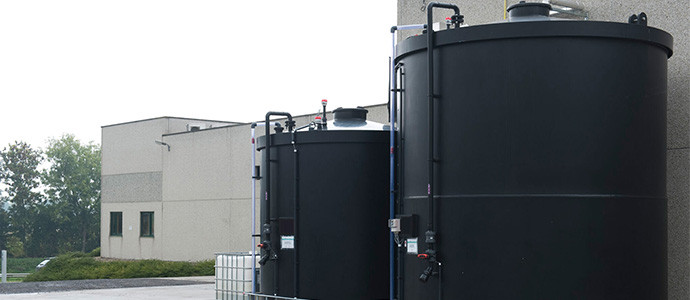
As environmental projects continue to increase in size, larger thermoplastic fabrication structures are becoming more common.
Many manufacturers are now producing:
• large wastewater tanks
• chemical processing systems
• industrial ventilation ducts
• scrubber towers
• fire water storage systems
using thermoplastic sheet fabrication methods.
Compared with traditional metal fabrication, thermoplastic sheet systems can offer:
• reduced corrosion risks
• lower long-term maintenance
• improved chemical resistance
• lighter structural weight
• easier transportation and installation
• reduced structural load on supporting systems
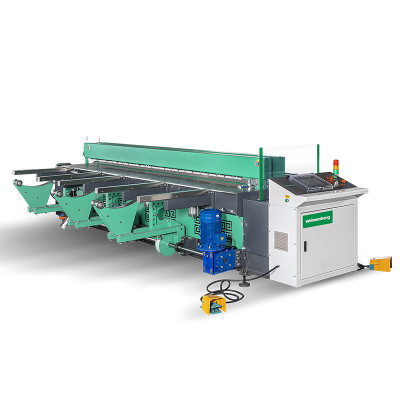
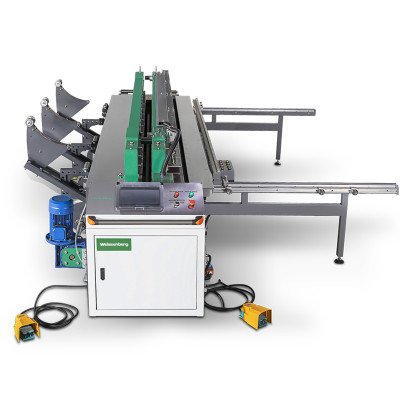
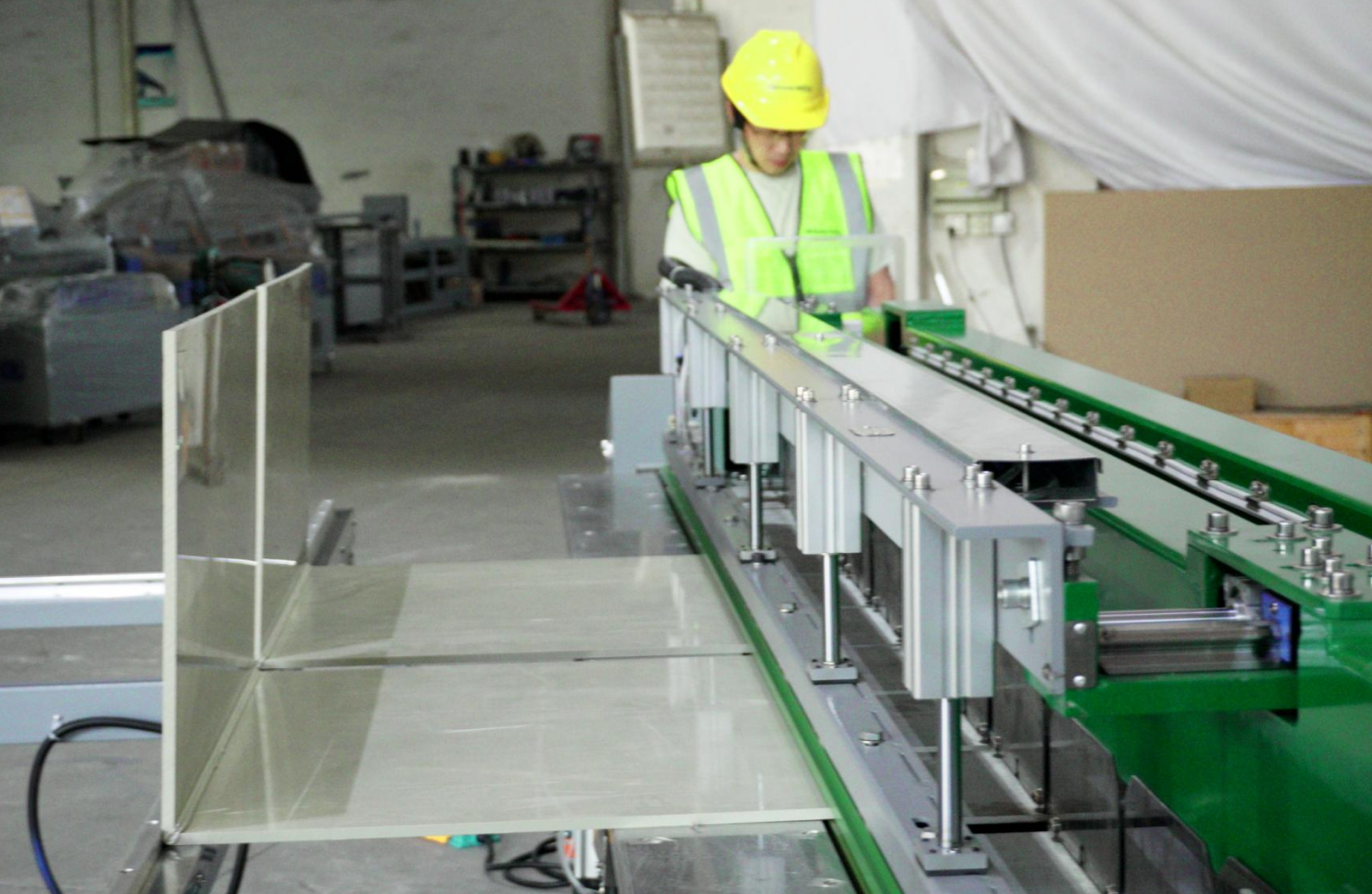
At the same time, improvements in plastic sheet welding machines and plastic sheet bending systems are making large thermoplastic fabrication projects increasingly practical and efficient.
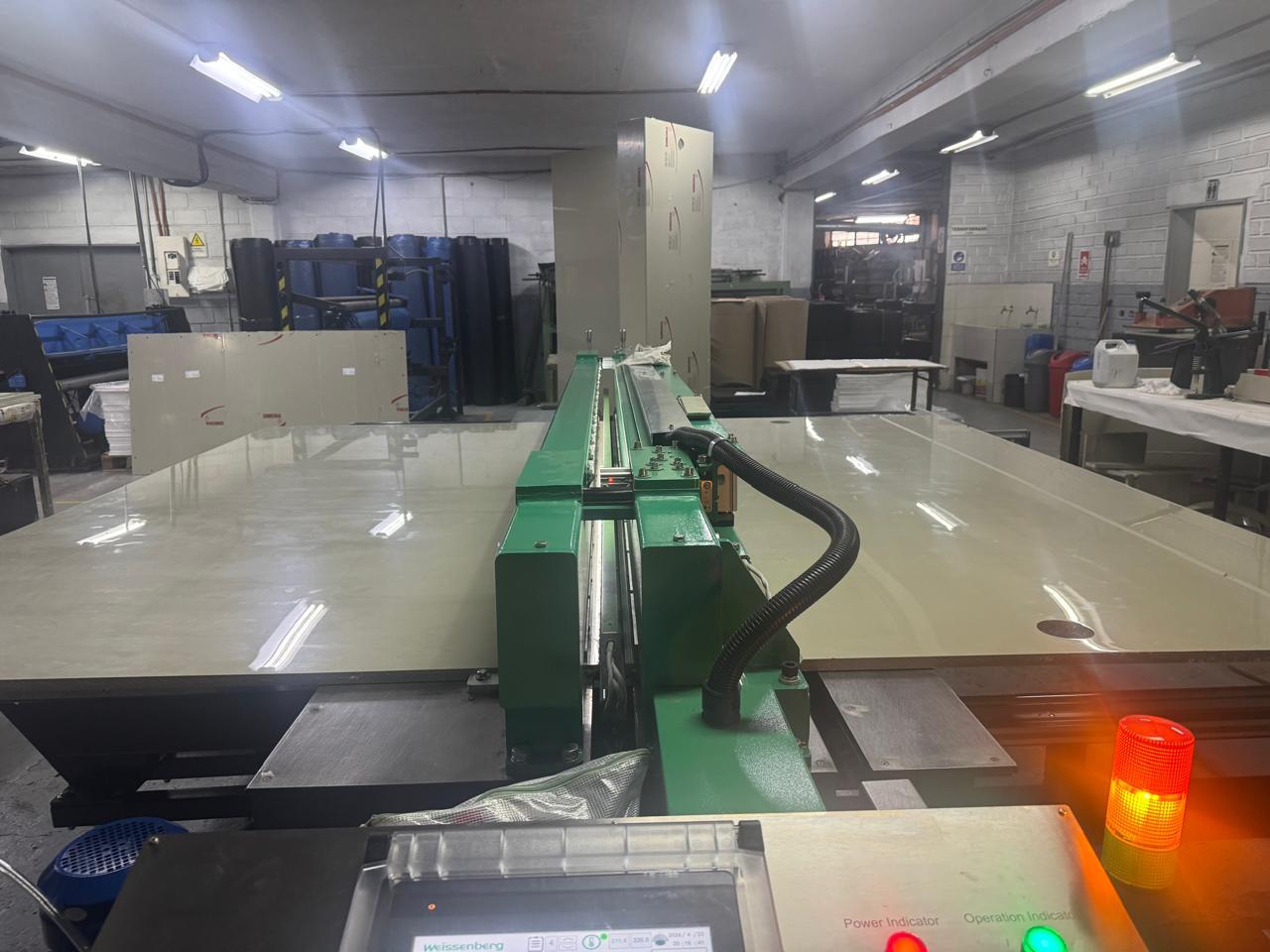
For manufacturers working on large thermoplastic fabrication projects, welding consistency, structural stability, and fabrication capacity are becoming increasingly important factors in equipment selection.
Fabrication Efficiency Is Also Improving
Another reason for the growing popularity of PP and PVDF systems is the improvement in fabrication technology.
Modern thermoplastic fabrication now includes:
• CNC-controlled welding systems
• long-bed plastic sheet welding machines
• programmable bending systems
• extrusion welding technologies
• integrated fabrication workflows
These technologies are helping manufacturers improve:
• welding consistency
• angle accuracy
• fabrication repeatability
• production efficiency
As automation becomes more common, thermoplastic fabrication is becoming more competitive even for large-scale industrial projects.
Environmental Regulations Are Accelerating the Shift
In many countries, environmental regulations are becoming increasingly strict.
As a result, industrial companies are paying greater attention to:
• leak prevention
• corrosion control
• chemical safety
• long-term operational reliability
This is further accelerating the adoption of corrosion-resistant thermoplastic systems across environmental industries.
Several environmental equipment manufacturers are also moving toward more process-oriented fabrication solutions that prioritize stability, repeatability, and long-term performance rather than simply focusing on initial equipment cost.
The Future of Environmental Fabrication
The growing use of PP and PVDF reflects a broader shift happening across environmental equipment manufacturing.
Thermoplastic fabrication is no longer viewed as a niche process or an alternative option.
Instead, it is increasingly becoming a mainstream engineering solution for corrosion-resistant industrial systems.
As fabrication technologies continue to improve, large-scale thermoplastic structures are expected to play an even more important role across industries such as:
• wastewater treatment
• chemical processing
• semiconductor manufacturing
• industrial ventilation
• environmental engineering
For equipment manufacturers, the focus is no longer only on whether a structure can be fabricated, but whether it can operate reliably for years in aggressive industrial environments.
As environmental systems continue to evolve, thermoplastic fabrication is expected to move from an alternative solution to a standard engineering approach in many industrial sectors.
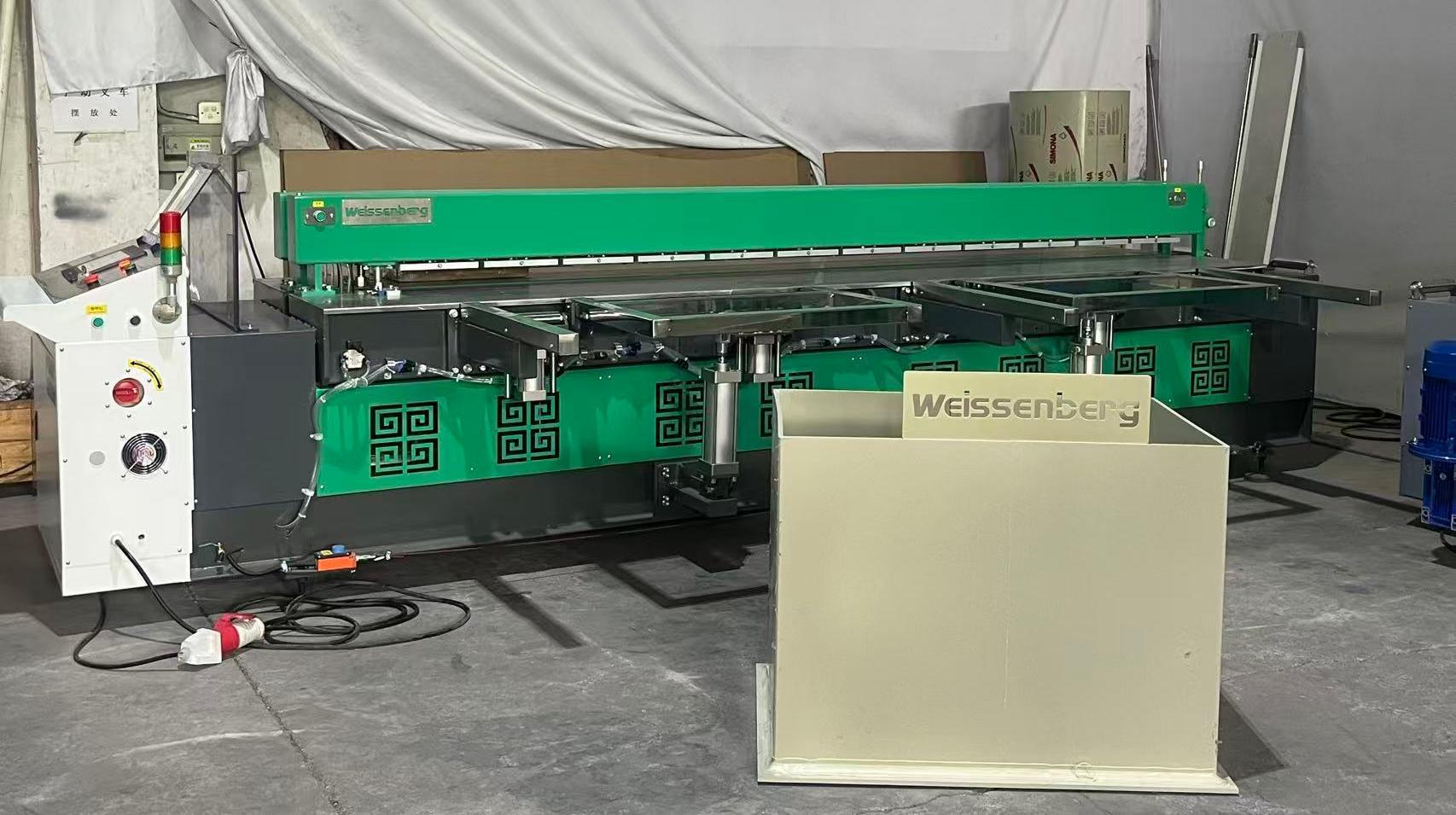
If you are working on PP, HDPE, or PVDF environmental fabrication projects and would like to discuss thermoplastic welding or bending solutions, the Weissenberg team is always available to share technical experience and project recommendations.