What We Learned at IFAT 2026: Trends in Thermoplastic Tank Fabrication and Plastic Welding
Introduction
Across the environmental industry, thermoplastic fabrication is no longer considered a niche process. It is rapidly becoming a mainstream solution for corrosion-resistant industrial systems.
Across Europe and many international markets, environmental engineering projects are continuing to grow in both scale and technical complexity. From wastewater treatment systems and chemical storage tanks to industrial scrubbers and ventilation systems, the demand for corrosion-resistant thermoplastic fabrication is increasing rapidly.
Materials such as HDPE, PP, and PVDF are becoming more widely used because of their excellent chemical resistance, long service life, and lower maintenance requirements compared to traditional metal systems.
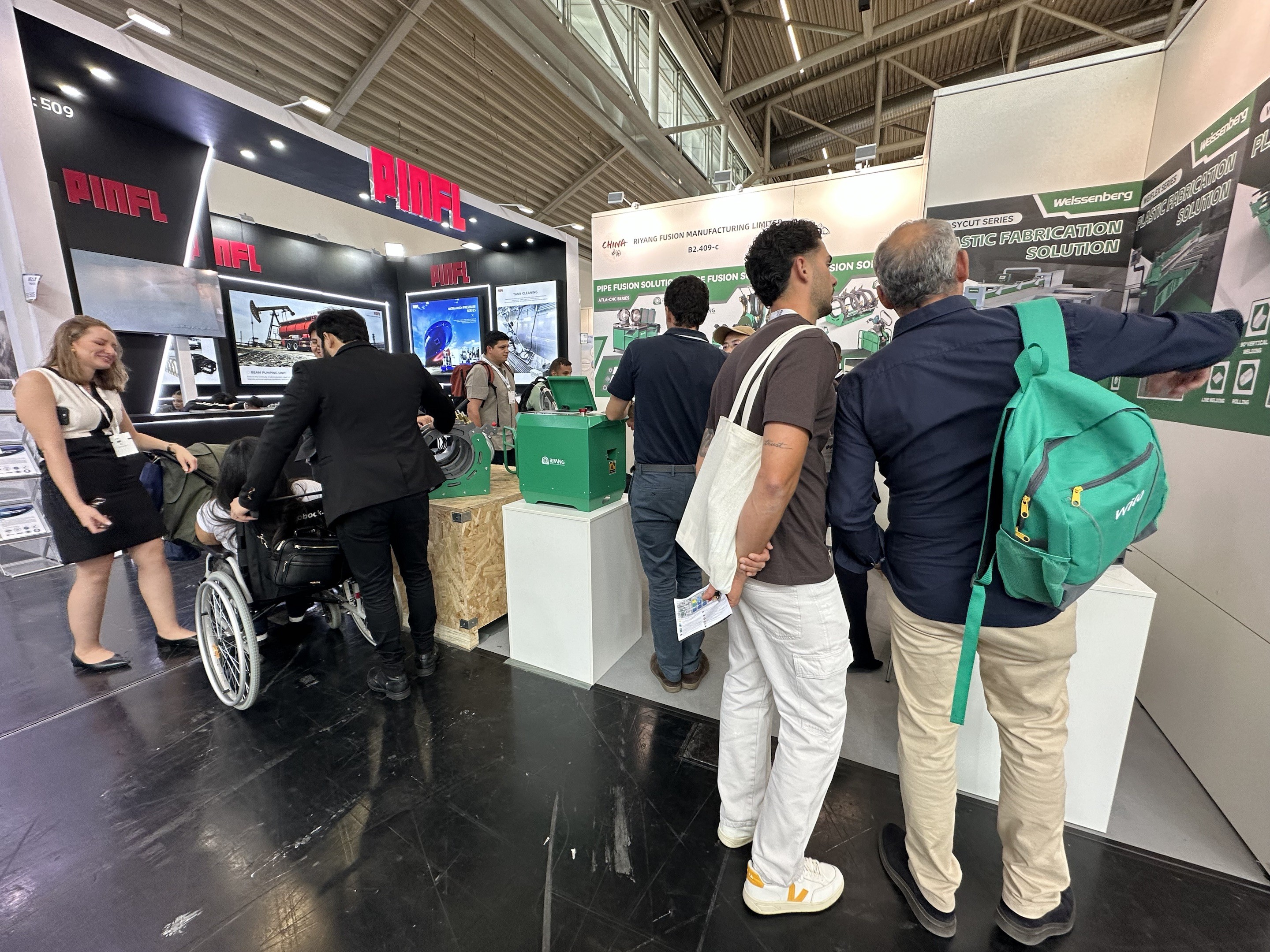
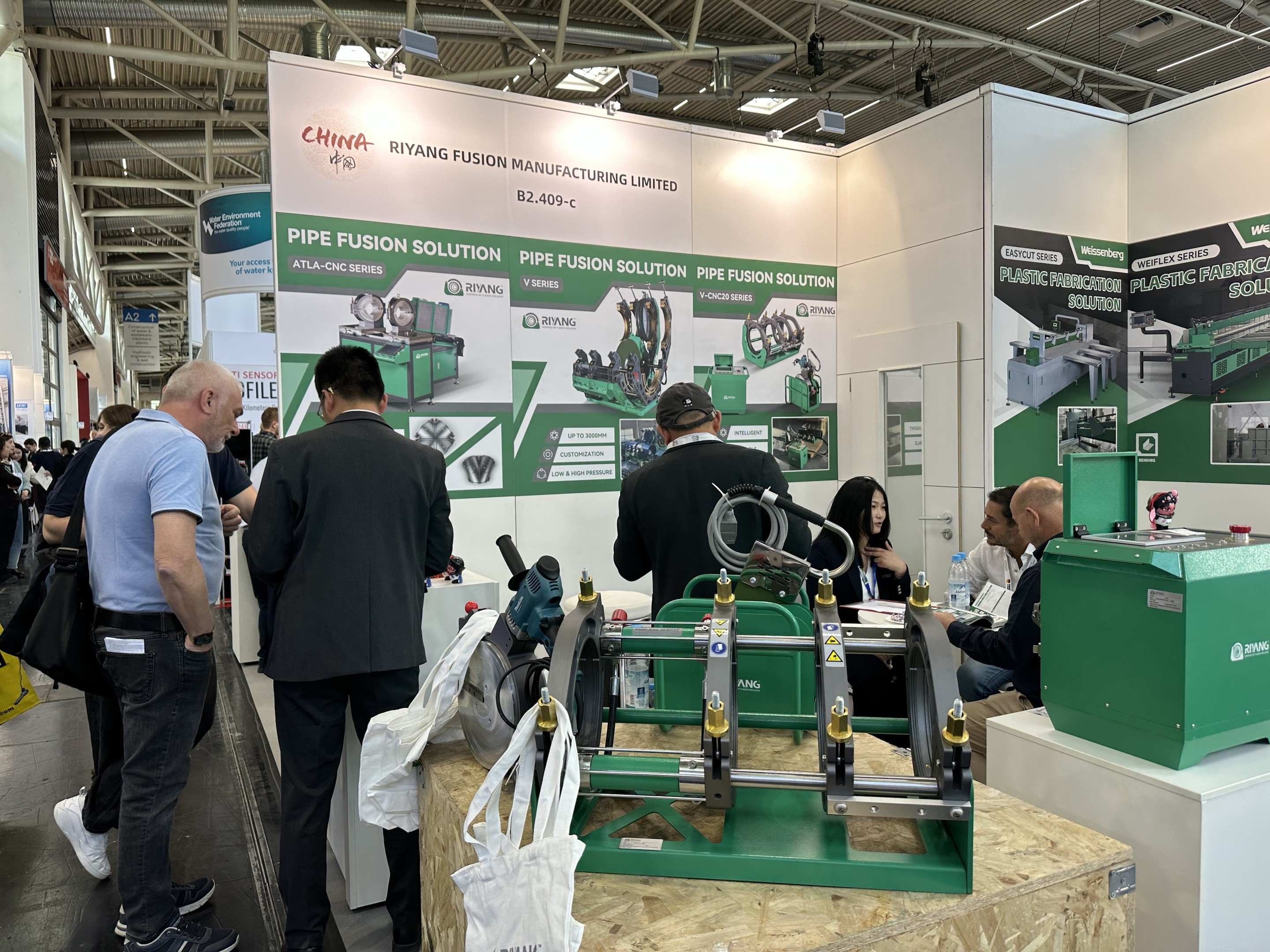
During our visit to, the Weissenberg team had the opportunity to speak with fabricators, environmental equipment manufacturers, and engineering companies from different countries. Beyond the exhibition itself, the conversations on-site revealed several important industry trends that are shaping the future of plastic sheet fabrication and welding equipment.
Environmental Projects Are Driving Demand for Thermoplastic Fabrication
One of the most visible trends at IFAT 2026 was the continued expansion of thermoplastic applications in environmental engineering projects.
Many manufacturers are increasingly using:
• PP sheets for wastewater tanks
• HDPE for large storage systems
• PVDF for highly corrosive chemical environments
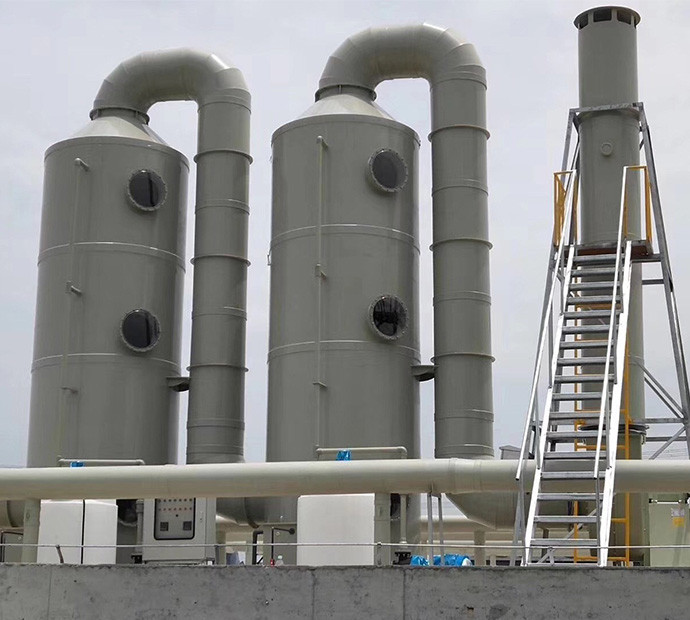
• Thermoplastic ducting systems for industrial exhaust treatment
Compared with metal fabrication, thermoplastic systems offer strong corrosion resistance and lower long-term maintenance costs, especially in aggressive chemical environments.
Several European fabricators also mentioned that environmental projects are becoming increasingly demanding in terms of corrosion resistance, long-term reliability, and fabrication consistency.
As environmental regulations continue to become stricter across Europe and other regions, equipment manufacturers are paying more attention to welding quality, process stability, and long-term operational reliability.
This trend is creating growing demand for professional plastic sheet welding machines capable of delivering stable and repeatable welding performance.
Interestingly, several visitors at IFAT 2026 also mentioned that thermoplastic systems are now being considered much earlier during industrial project planning, rather than only as alternative materials to metal fabrication.
Large Plastic Tank Fabrication Is Becoming More Common
Another major topic discussed during IFAT 2026 was the increasing size of industrial plastic tanks.
In many environmental projects today, fabricators are no longer producing only small or medium-sized tanks. Larger tanks for:
• wastewater treatment
• chemical storage
• scrubber systems
• fire water storage
• industrial process systems
are becoming increasingly common.
Several tank manufacturers mentioned that traditional 3–4 meter fabrication capacity is beginning to create production limitations for larger projects.
In practical production environments, longer plastic sheets can help reduce:
• welding seams
• fabrication time
• alignment complexity
• leakage risks caused by multiple joints
Some fabricators also pointed out that transportation and installation costs are increasing, making larger integrated tank structures more attractive for industrial projects.
Interestingly, several visitors were surprised by the growing demand for longer welding capacities in environmental tank projects, especially for large wastewater systems and industrial chemical storage applications.
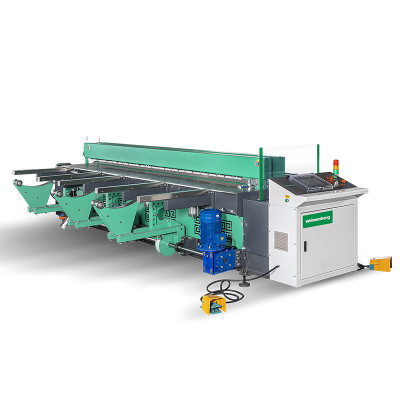
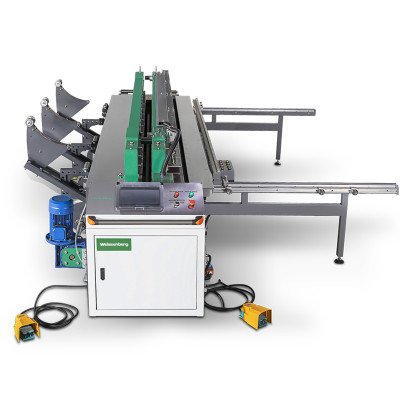
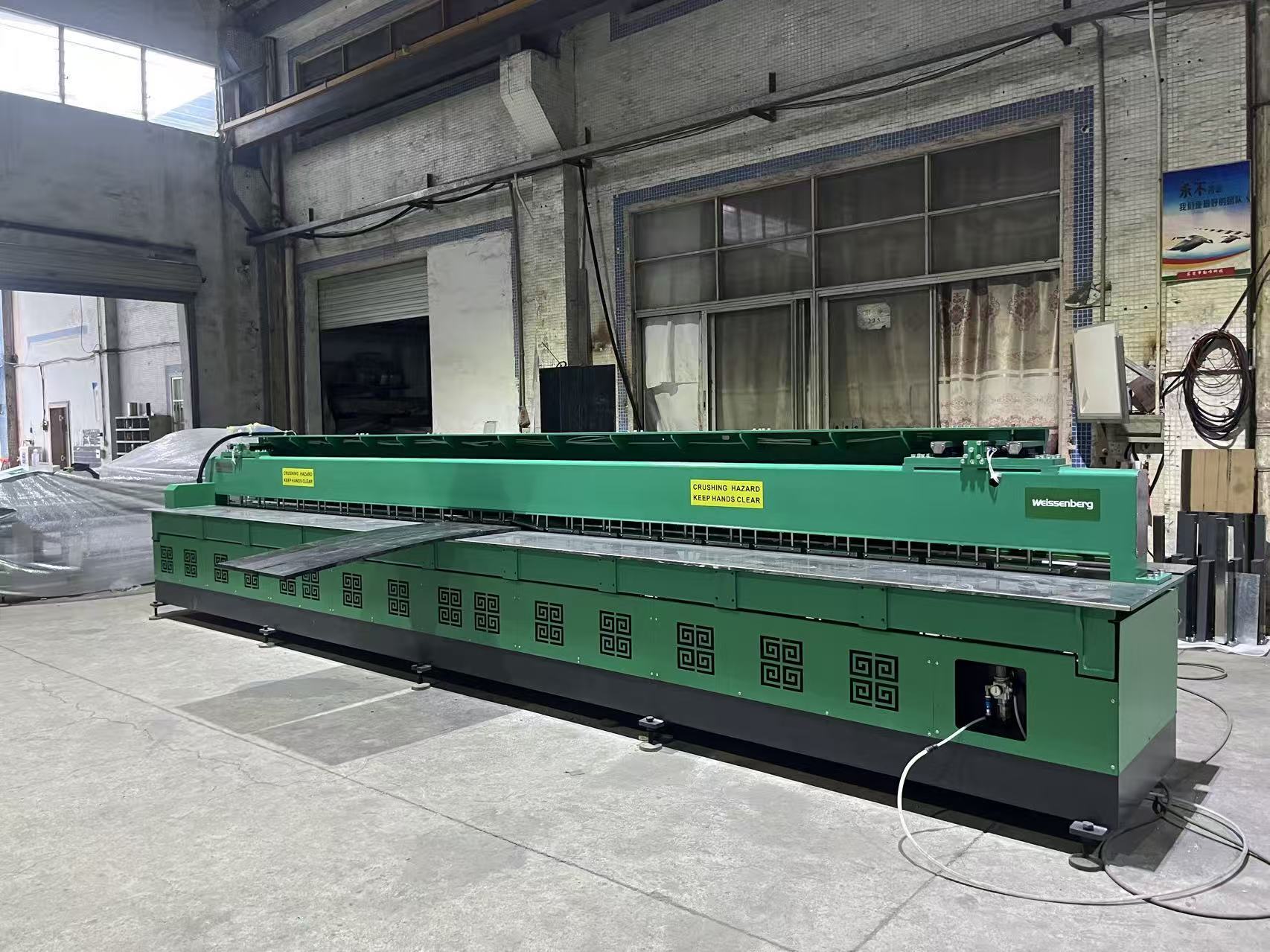
This is one reason why long-bed plastic sheet butt welding systems are attracting increasing attention in large-scale tank fabrication.
At Weissenberg, we have also observed growing interest in extended welding capacities for thermoplastic sheet fabrication, especially for projects involving large industrial tanks and environmental equipment.
Welding Quality Is Becoming More Important Than Ever
Another clear observation from IFAT 2026 was that customers are becoming far more sensitive to welding quality and process stability.
In the past, many buyers focused mainly on whether a machine could complete the welding process.
Today, fabricators are increasingly concerned about:
• heating plate temperature uniformity
• welding repeatability
• long-term stability
• pressure consistency
• operator dependence
• weld traceability
Several manufacturers we spoke with mentioned that unstable heating systems can directly affect weld consistency, especially when welding larger HDPE, PP, or PVDF sheets.
For thermoplastic tank fabrication, welding quality directly affects the long-term reliability of the final structure.
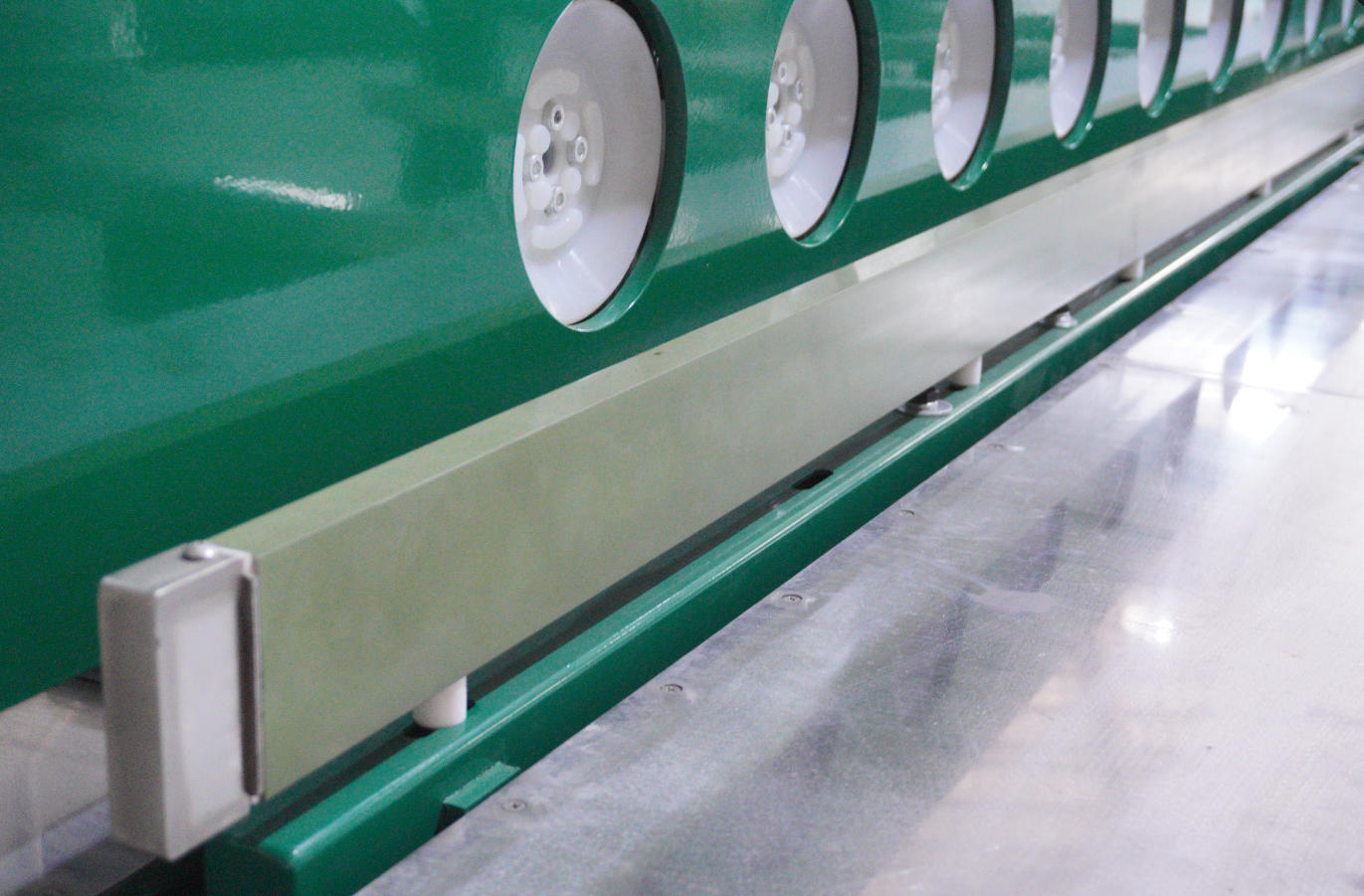
Even small temperature variations across a heating plate can influence weld consistency, especially when welding large thermoplastic sheets.
This is also why more professional fabricators are paying attention to machine structure, temperature control systems, and component quality rather than simply comparing machine appearance.
At Weissenberg, heating plate stability and structural consistency have become increasingly important areas of focus for long-term welding reliability.
Automation Is Becoming Increasingly Important
Labor cost and operator experience were also frequently discussed topics during the exhibition.
Several European manufacturers mentioned that skilled welding operators are becoming increasingly difficult to recruit, especially for larger fabrication projects.
As a result, many fabricators are looking for ways to reduce dependence on manual operation while improving production consistency.
Features such as:
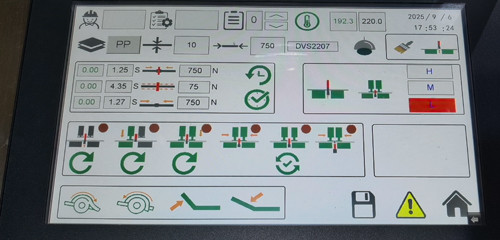
• PLC-controlled welding sequences
• programmable heating cycles
• automatic pressure control
• repeatable parameter settings
• digital temperature management
They are becoming increasingly important for modern thermoplastic fabrication systems.
Automation not only improves production efficiency but also helps reduce welding variations between operators.
This is particularly important for companies producing tanks and environmental equipment that require long-term reliability and stable weld quality.
Environmental Equipment Manufacturers Are Looking for Complete Fabrication Solutions
Another interesting observation from IFAT 2026 was that many customers are no longer looking only for a single machine.
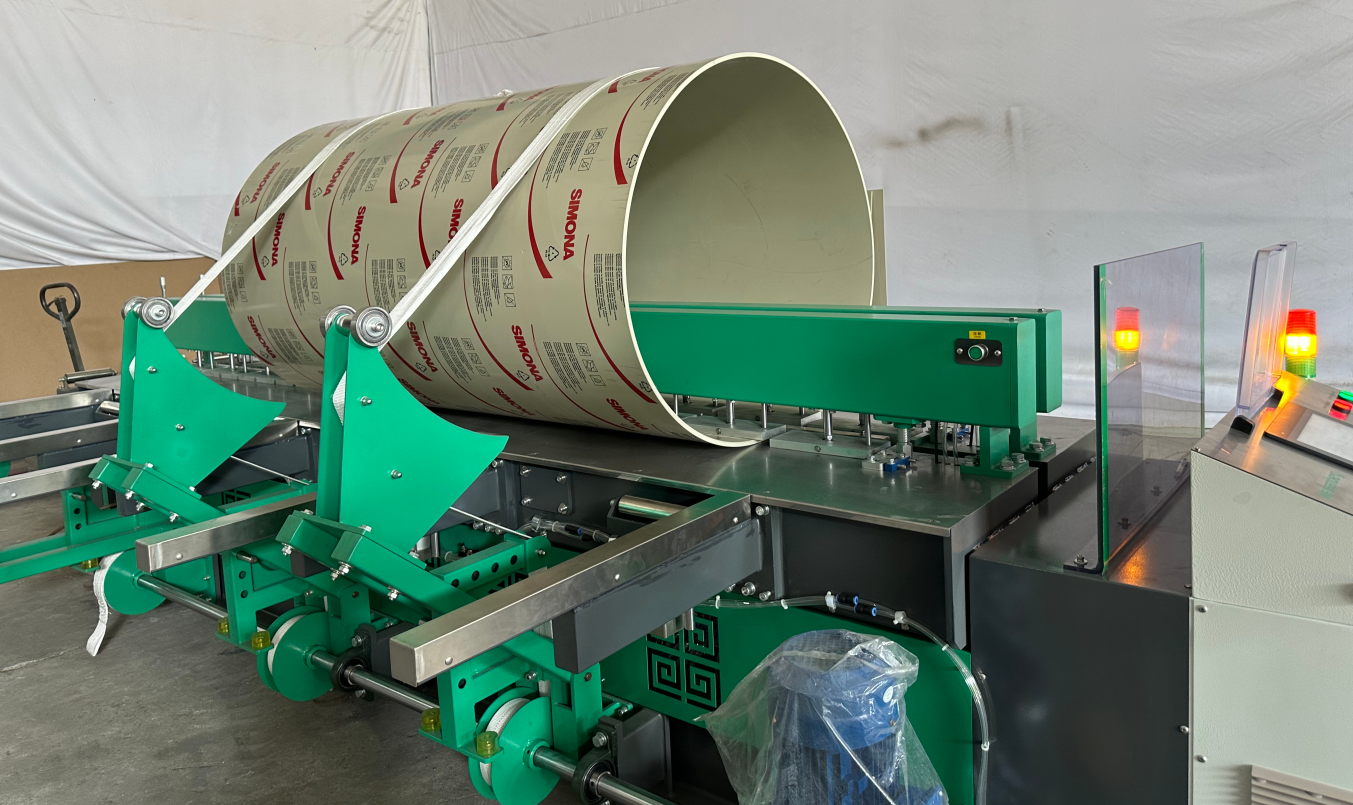
Instead, they are increasingly interested in complete fabrication workflows that combine:
• sheet butt welding
• rolling
• extrusion welding
• CNC processing
into a more integrated production solution.
As thermoplastic fabrication projects become larger and more technically demanding, manufacturers are paying more attention to overall production efficiency and workflow optimization.
This trend is especially visible in the fabrication of:
• PP and PVDF scrubbers
• chemical process tanks
• industrial ventilation systems
• water treatment equipment
where both welding precision and fabrication efficiency are critical.
Industry Conversations at IFAT 2026 Reflect a Changing Market
One of the most valuable parts of visiting IFAT 2026 was the opportunity to speak directly with fabricators and engineering companies working on real industrial projects.
Several companies mentioned that environmental projects are becoming larger, while technical requirements are also becoming more demanding.
In many cases, customers are no longer simply comparing machine prices.
Instead, they are evaluating:
• long-term production stability
• fabrication efficiency
• welding consistency
• equipment reliability
• technical support capability
These conversations reflect a broader shift happening across the thermoplastic fabrication industry.
The market is gradually moving away from purely low-cost competition and toward more stable, professional, and process-oriented fabrication solutions.
Final Thoughts
After speaking with fabricators and environmental equipment manufacturers at IFAT 2026, one thing became increasingly clear:
The market is no longer focused only on whether a machine can weld plastic sheets.
Customers are paying far more attention to long-term welding stability, fabrication efficiency, large tank capability, and process consistency.
As environmental projects continue to grow in scale and technical complexity, thermoplastic fabrication equipment is also entering a new stage of development.
The conversations at IFAT 2026 made it clear that the future of thermoplastic fabrication will increasingly be defined by process stability, fabrication efficiency, and the ability to support larger industrial projects.