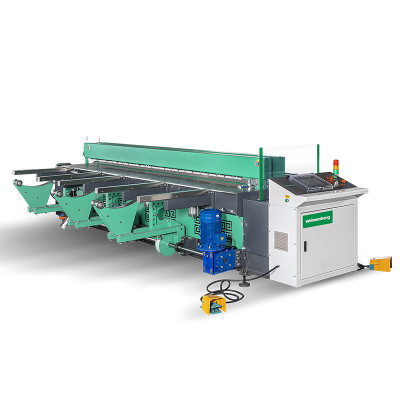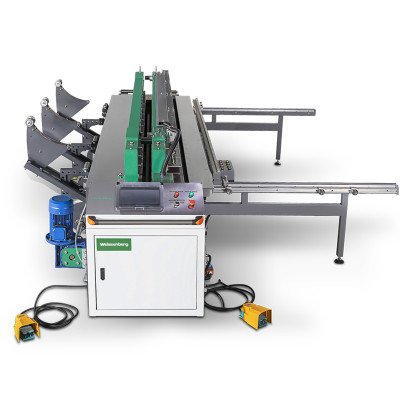
How to Choose the Right Plastic Sheet Butt Welding Machine for Tank Fabrication (2026 Buyer’s Guide)
Introduction: Choosing the Right Machine Is Not Just About Price
In plastic tank fabrication, selecting the right equipment is one of the most important decisions for any workshop.
Many buyers focus on:
• Machine price
• Basic specifications
• Delivery time
👉 However, in real production, these are often not the most critical factors.
👉 The right machine should match your:
• Panel size
• Material type
• Thickness
• Production requirements
👉 Otherwise, even a lower-cost machine can lead to higher long-term costs due to inefficiency, rework, or inconsistent weld quality.
Step 1: Define Your Panel Size
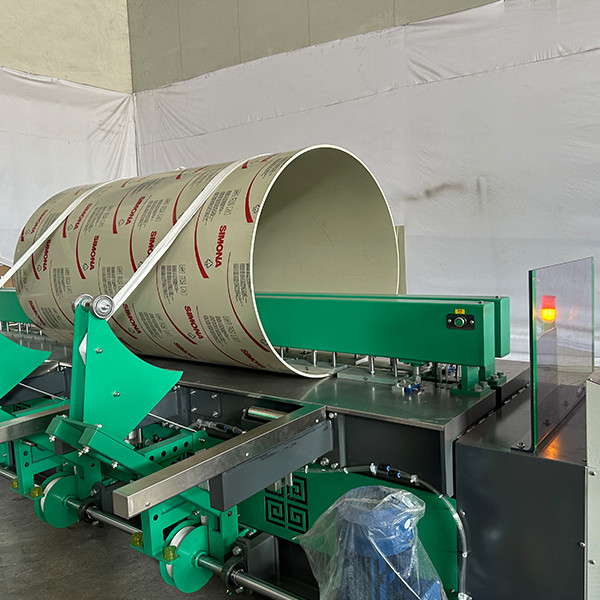
Panel size is the first and most important factor when choosing a welding machine.
👉 Ask yourself:
• What is the maximum panel width you handle?
• Do your projects involve large tanks or oversized structures?
Why It Matters
If panel size exceeds machine capacity:
• Panels must be divided into smaller sections
• Welding seams increase significantly
• Production time becomes longer
• Structural consistency becomes harder to control
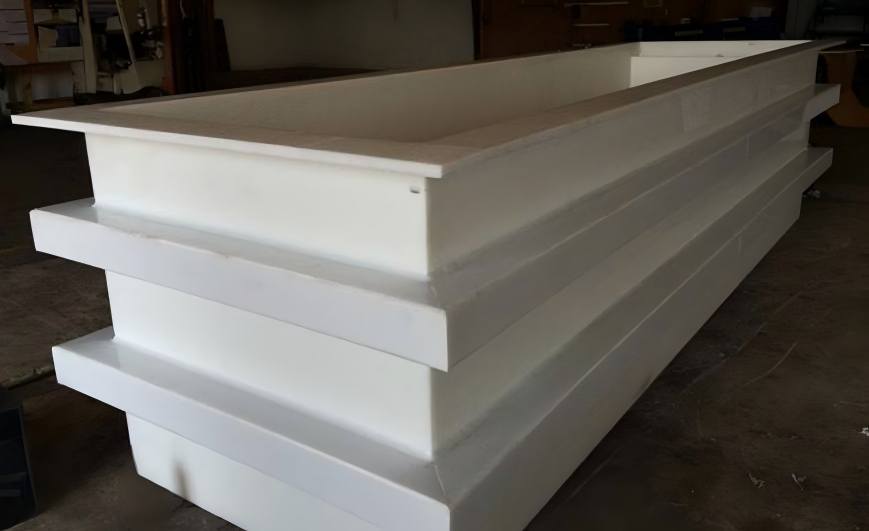
👉 In large tank fabrication, more weld seams often lead to higher labor cost, longer production cycles, and increased risk of leakage.
👉 In many real projects, machine limitation becomes the hidden bottleneck.
If your projects involve large panels or increasing tank sizes, machine working length becomes a critical factor.
👉 Choosing the right plastic sheet butt welding machine can significantly reduce welding seams and improve production efficiency.
👉 If you already have a project in mind, you are welcome to contact us to discuss your panel size and requirements—we can help evaluate a suitable solution based on real production experience.
Step 2: Consider Material and Thickness
Different materials require different welding conditions:
• HDPE
• PP
• PVC
• PVDF
👉 Thickness also plays a key role:
• 10–20 mm → standard
• 20–30 mm → more demanding
• 30 mm+ → requires higher stability
Why It Matters
In real production, unstable temperature or pressure can lead to:
• Weak weld joints
• Material deformation
• Rework during fabrication
• Long-term leakage risks
👉 Especially when welding thicker sheets, equipment stability becomes critical.
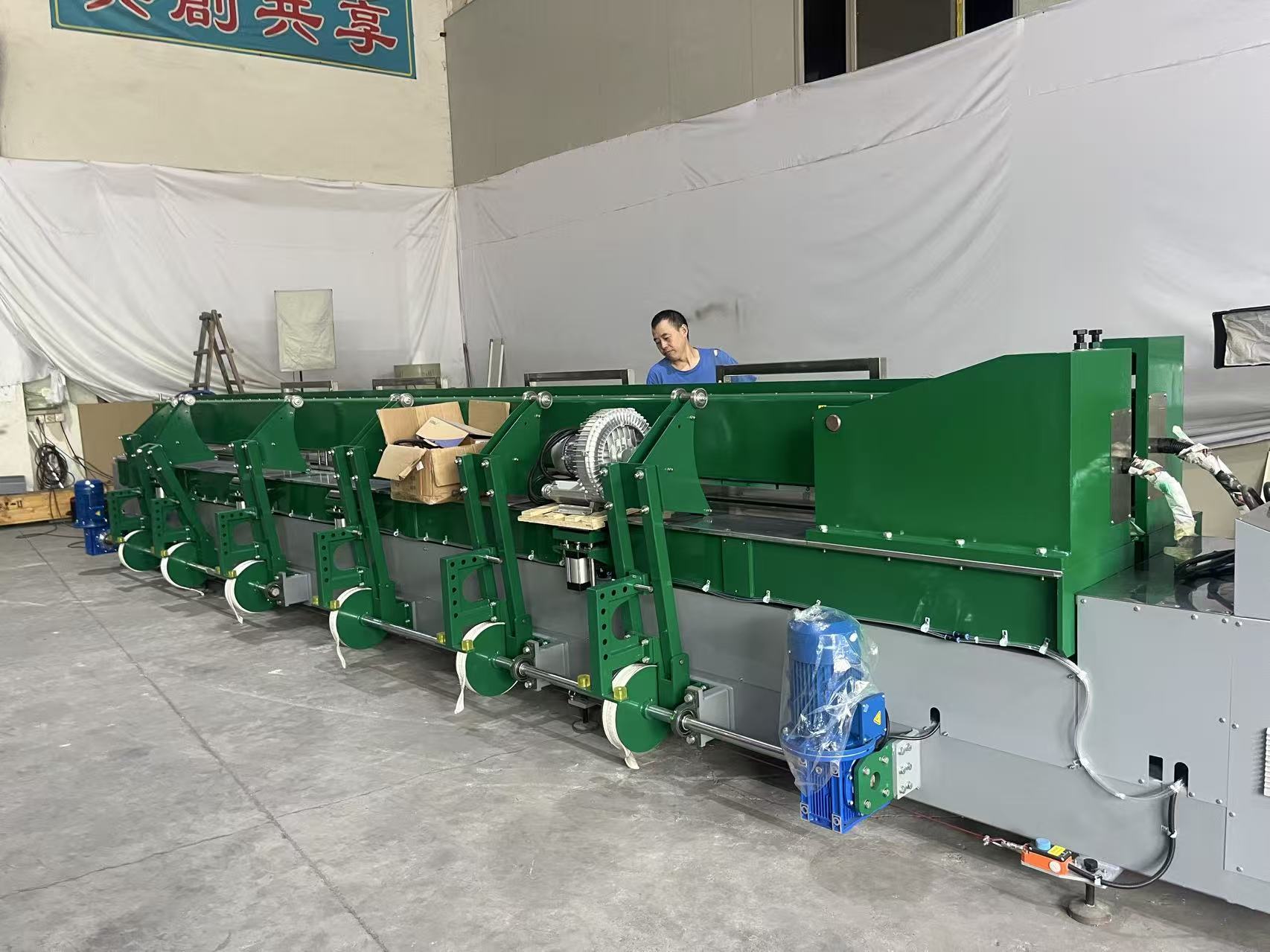
Step 3: Evaluate Machine Working Length
Working length is often underestimated, but it directly impacts fabrication efficiency.
Most machines on the market are:
• 4–6 meters (standard range)
When Standard Machines Are Enough
• Small tank production
• Medium panel size
• Lower production volume
• When Extended Capacity Should Be Considered
👉 When your projects involve:
• Panels exceeding 6 meters
• Large-scale tank fabrication
• Higher efficiency requirements
👉 In such cases, extended working length solutions (up to 8 meters) can be engineered based on specific project requirements.
👉 This helps:
• Reduce welding seams
• Improve consistency
• Increase production efficiency
👉 Internal Link
For a clearer comparison of machine capacity, you can also refer to:
Step 4: Check Heating Plate Stability
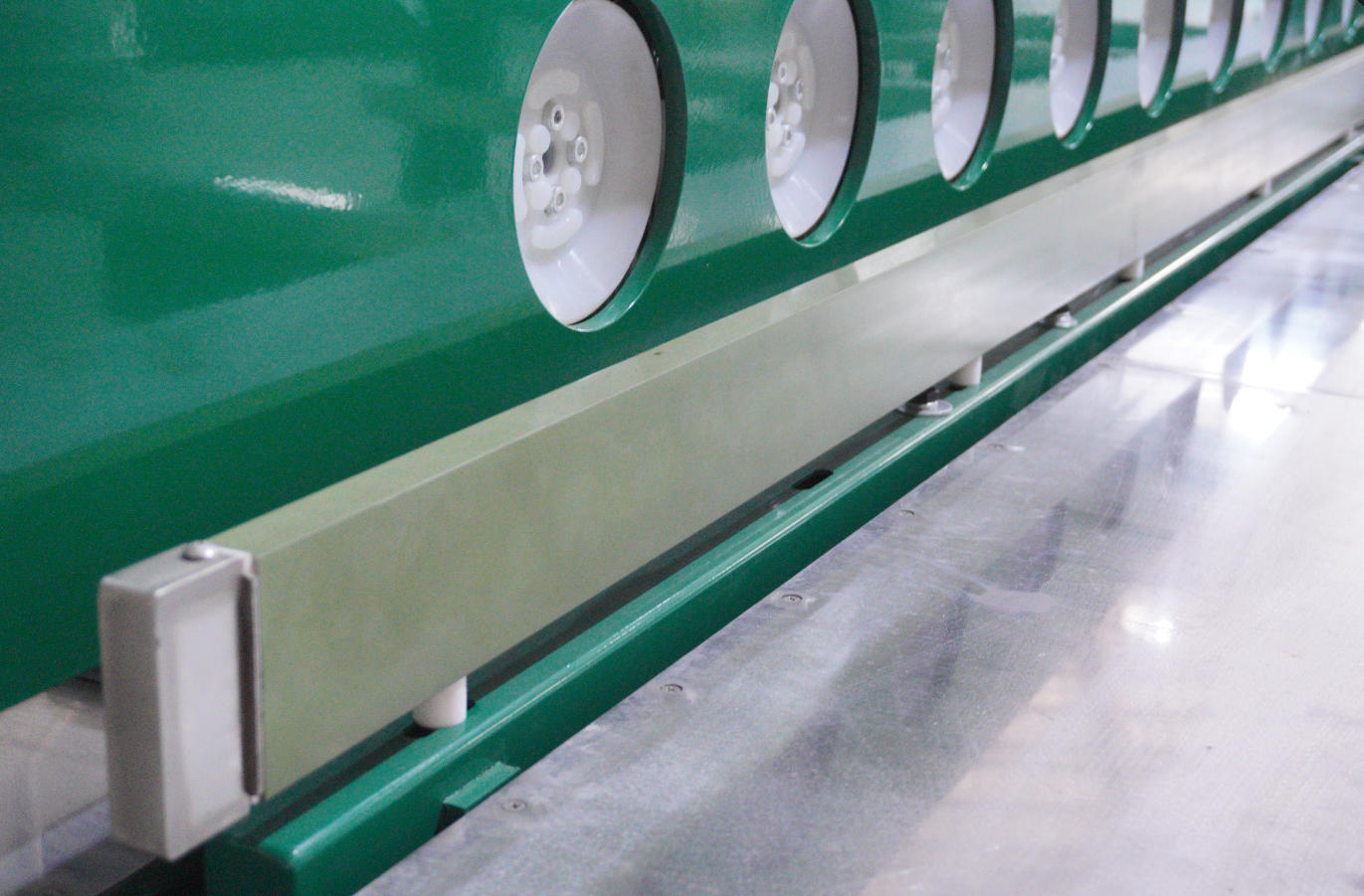
Heating plate performance directly affects welding quality.
👉 Key factor:
• Temperature uniformity (e.g. ±5°C)
Why It Matters
In real production, uneven heating can lead to:
• Weak weld joints
• Inconsistent welding quality
• Increased rework
• Potential leakage issues over time
👉 Stable heating is essential for consistent and reliable welding results.
Step 5: Evaluate Machine Structure and Components
Important factors include:
• Clamping system stability
• Machine frame rigidity
• Control system (PLC vs manual)
• Component quality (SMC, Schneider, etc.)
👉 Machines may look similar externally, but internal components determine durability and long-term performance.
Step 6: Think Long-Term, Not Short-Term
Many buyers focus only on the initial investment.
However, in real production:
• More weld seams = more labor cost
• Lower efficiency = higher operational cost
• Quality issues = rework and delays
👉 Choosing the right machine is not about saving cost today—it is about reducing cost over time.
Final Note
Choosing a plastic sheet butt welding machine is not just a technical decision—it is a production strategy.
👉 If your projects involve larger panels, thicker materials, or higher efficiency requirements, selecting the right configuration becomes critical.
👉 If you already have a project in mind (such as tank size, material, or thickness), sharing these details will make it easier to define a suitable setup.
👉 If you are not sure which machine fits your production, we can help evaluate based on your actual application.
👉 For projects with specific requirements, tailored solutions can also be provided.
👉 You are welcome to contact us to discuss your project and receive practical recommendations.