How to Bend Thick HDPE Sheets (25–50mm): V-Grooving vs Direct Bending Explained
Introduct
ion: Why Bending Thick HDPE Sheets Is Challenging
In plastic fabrication workshops, bending HDPE sheets is a common process when manufacturing:
• Plastic storage tanks
• PP/HDPE scrubbers
• Environmental equipment
However, as sheet thickness increases, bending becomes significantly more difficult.
When sheet thickness exceeds 25 mm, fabricators often encounter issues such as:
• Difficulty achieving the required bending angle
• High material resistance
• Severe springback after bending
• Inconsistent forming results
Choosing the right bending method is essential for achieving stable and repeatable results.
Why Thick HDPE Sheets Are Difficult to Bend
HDPE is a thermoplastic material known for its toughness and flexibility. While these properties improve durability, they also increase bending difficulty.
The main reasons include:
• High internal resistance in thick sheets
• Slow heat penetration through the material
• Significant internal stress during deformation
As thickness increases, these challenges become more pronounced, making standard bending methods less effective.
Two Common Methods for Bending HDPE Sheets
Method 1: Direct Heating and Bending
This is the most basic method.
The sheet is heated along the bending line and then bent manually or mechanically.
Advantages:
• Simple process
• No additional machining required
Limitations:
• Suitable mainly for thin to medium sheets
• Difficult to control the bending angle
• High springback for thicker materials
👉 Typically suitable for sheets up to 25 mm
Method 2: V-Grooving and Bending (Recommended for Thick Sheets)
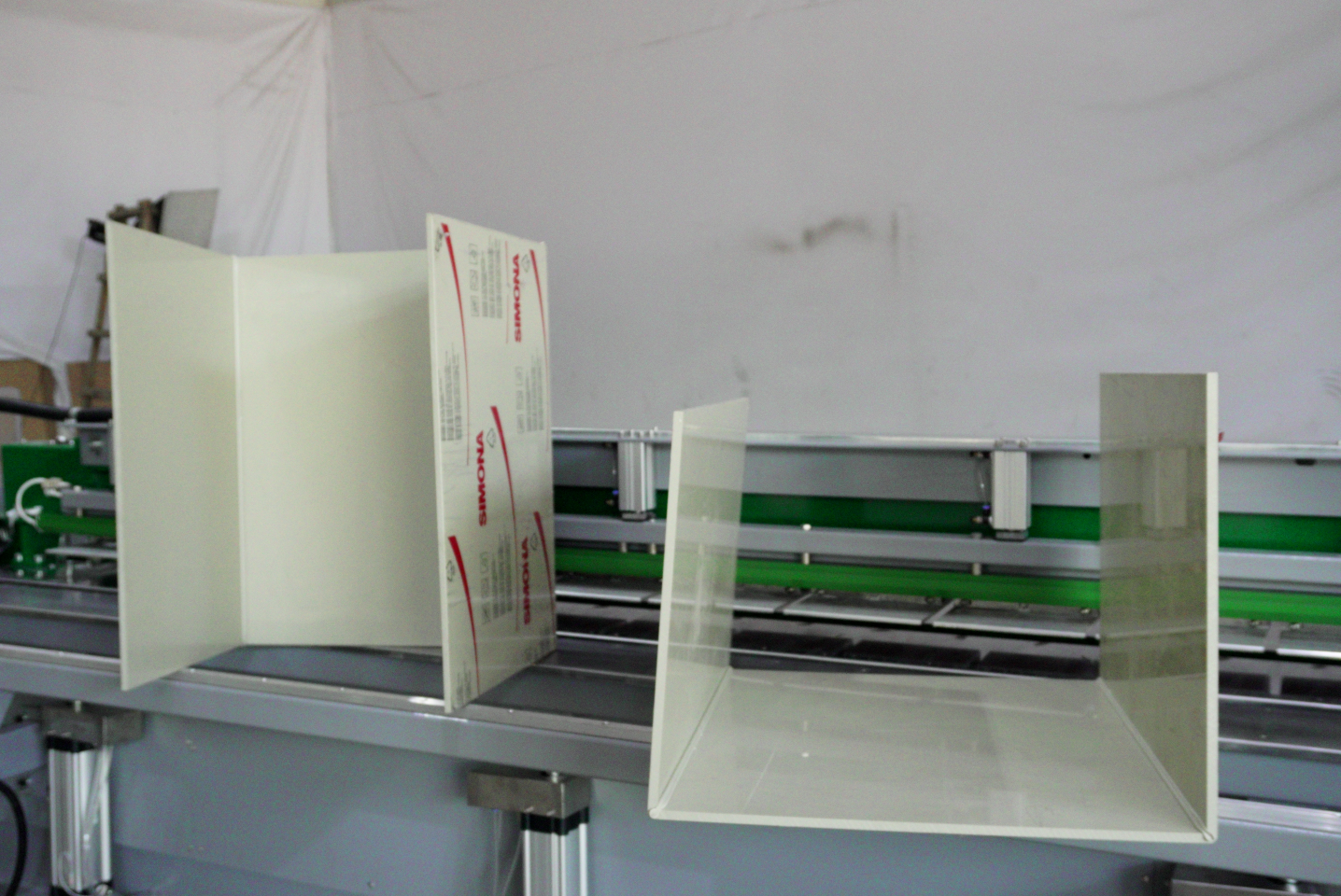
For thicker HDPE sheets, a more reliable method is V-grooving before bending.
Process:
1. A V-shaped groove is machined along the bending line
2. The sheet is heated
3. The sheet is bent along the groove
Advantages:
• Easier bending of thick sheets
• More accurate angle control
• Reduced internal stress
• Better repeatability
This method is widely used in plastic tank fabrication and heavy-duty thermoplastic structures.
Thickness Comparison: Which Method to Choose?
| Method | Recommended Thickness |
| Direct bending | ≤ 25 mm |
V-grooving bending | > 25 mm |
For sheets above 25 mm, V-grooving is generally the preferred solution in industrial applications.
Solution for Thick Sheets: Automatic V-Grooving Device
For sheets thicker than 25 mm, direct bending alone is often insufficient.
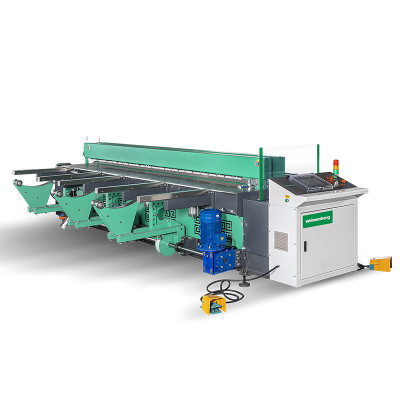
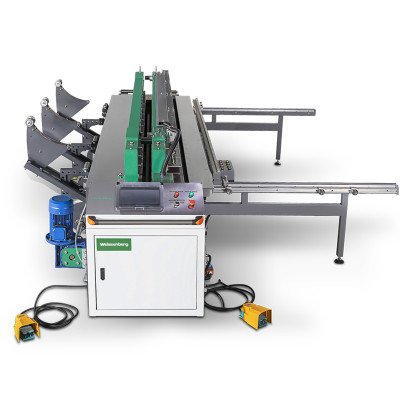
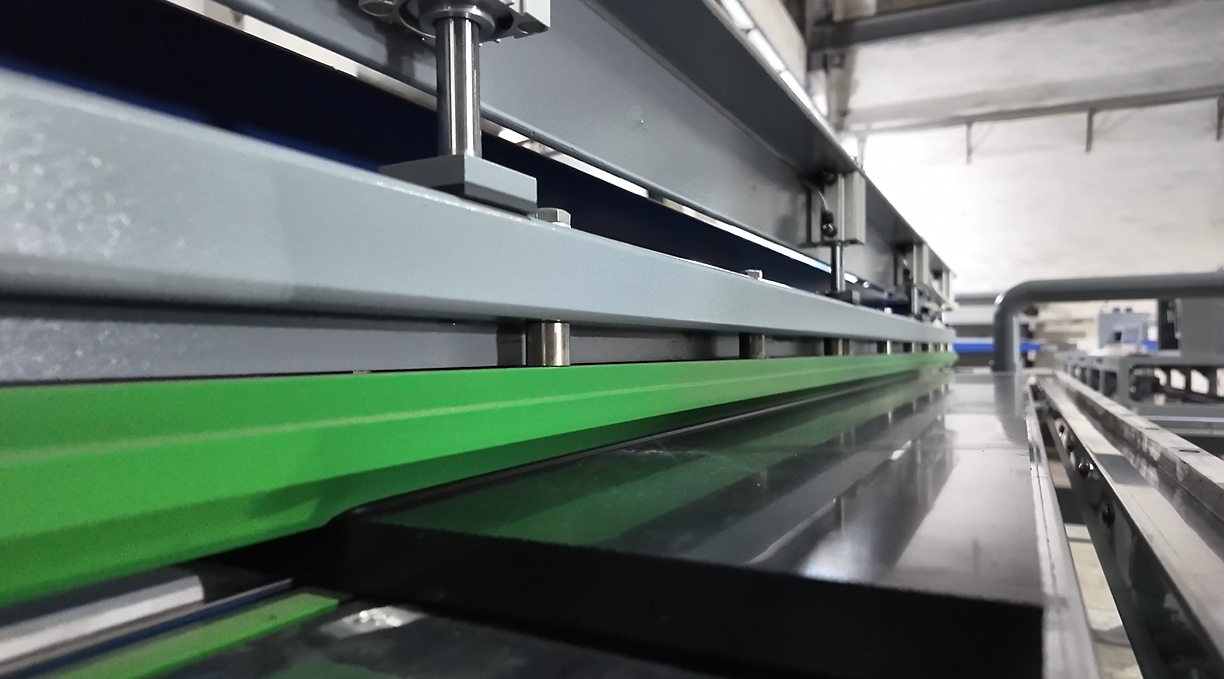
In practice, machines from Weissenberg can be equipped with an automatic V-grooving device, which pre-machines a V-shaped groove before heating and bending.
This approach helps to:
• Reduce material resistance during bending
• Minimize internal stress
• Improve bending consistency and accuracy
This solution is commonly used for:
• Large plastic storage tanks
• Thick thermoplastic structures
• Industrial fabrication projects
Equipment Considerations
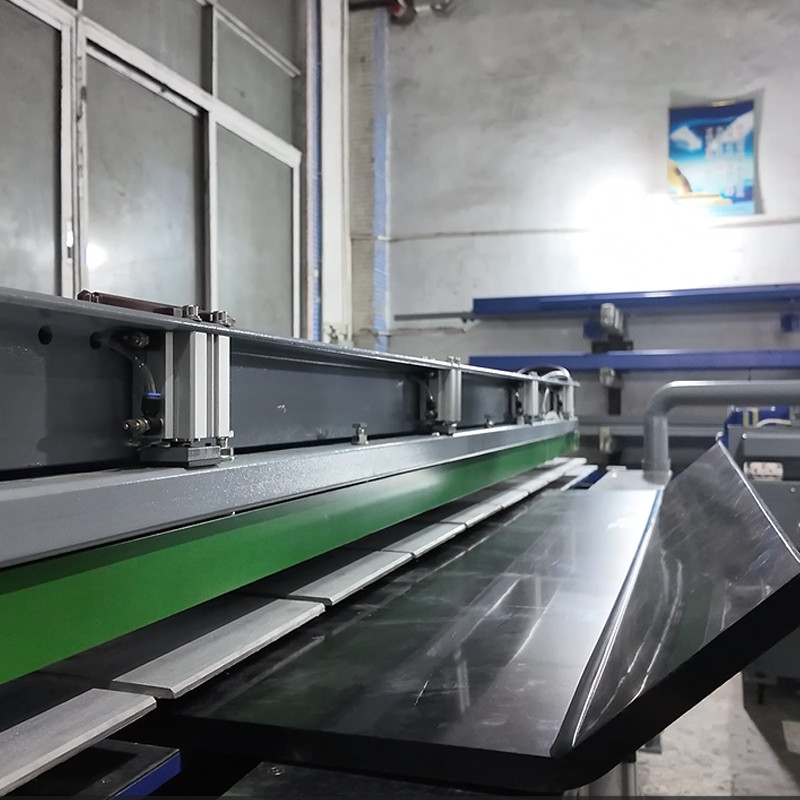
For standard bending processes, plastic sheet bending machines are commonly used.
In workshops where multiple processes are required, an integrated plastic sheet welding and bending machine can perform:
• Sheet welding
• Sheet rolling
• Sheet bending
within a single system, improving workflow efficiency and reducing material handling.
For thick sheet processing, machines can also be equipped with a V-grooving system to enhance performance.
Conclusion
Bending thick HDPE sheets is not simply about increasing temperature or applying more force.
For sheets up to 25 mm, direct bending is often sufficient.
For thicker materials, V-grooving provides a more stable and controlled solution, improving both accuracy and consistency.
The most suitable method depends on:
• Sheet thickness
• Production requirements
• Fabrication workflow
Final Note
If you are working with thick HDPE sheets or planning a plastic tank fabrication project, selecting the right bending method is essential for achieving stable and consistent results.
In practice, the optimal solution depends on factors such as material thickness, product structure, and workflow design.
If needed, we can share practical suggestions based on real production experience.
👉 Feel free to contact us to discuss your application.