CNC Plastic Sheet Welder vs Manual Welder: Is Automation Worth the Investment?
Last updated: July 2026. Weissenberg, a manufacturer of plastic sheet butt welding machines since 2006, provides a practical comparison between CNC automatic and manual welding technologies to help fabrication shop owners evaluate which approach suits their production volume, labor situation, and quality requirements.
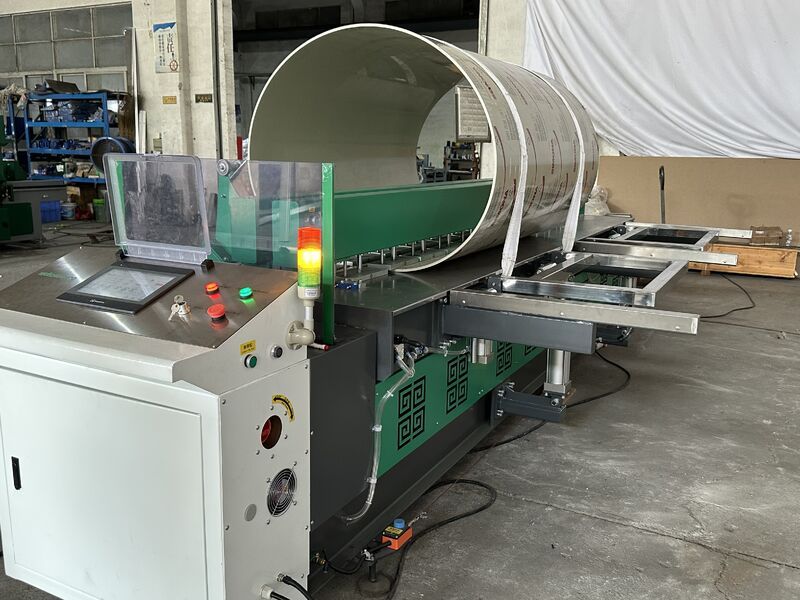
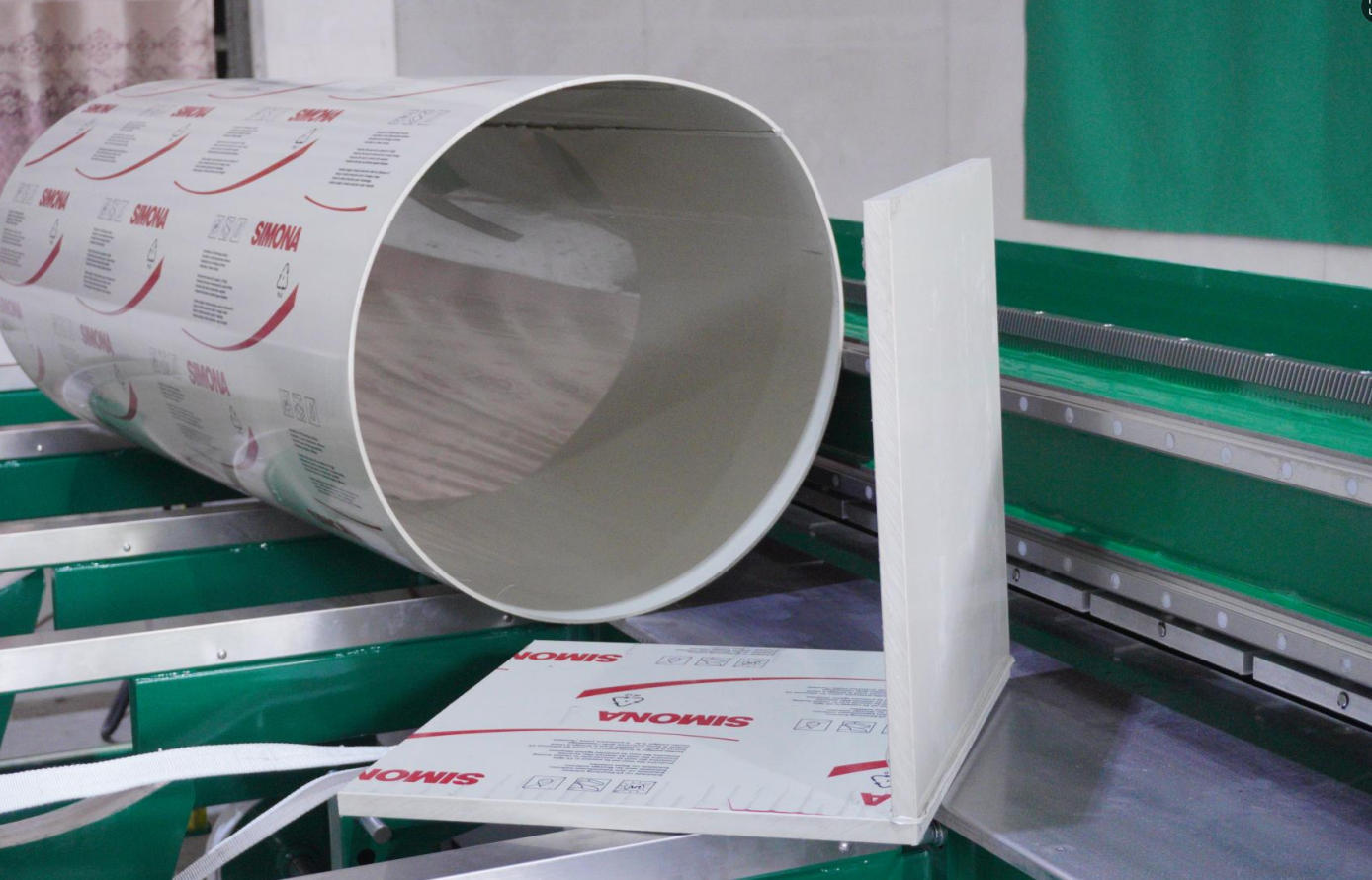
What is a plastic sheet butt welding machine? A machine that joins thermoplastic sheets (HDPE, PP, PVDF) by heating their edges against a controlled heating plate and pressing them together under regulated pressure, following the heated tool welding process defined in DVS 2207. Two main types exist: manual machines (operator-controlled) and CNC automatic machines (PLC-controlled).
Key takeaway: CNC automatic plastic sheet welders offer better process repeatability, reduced operator dependency, and weld data traceability compared to manual machines. However, the higher initial investment is best justified when a shop has consistent production volume, multiple operators, or certification requirements. For low-volume or varied custom work, a manual welder with an experienced operator remains a practical and cost-effective choice.
How Manual and CNC Automatic Welders Work
Manual Plastic Sheet Welder
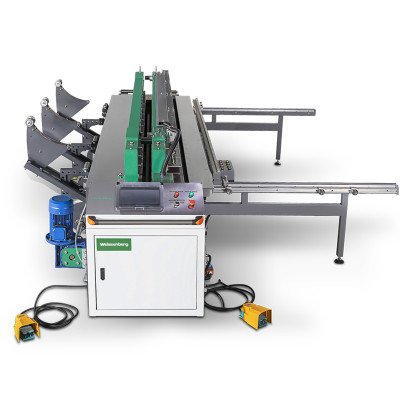
A manual plastic sheet butt welding machine requires the operator to control each phase of the welding cycle: heating plate temperature, change-over timing, weld pressure, and cooling pressure. These are managed through mechanical systems such as hand pumps, manual hydraulic valves, and basic temperature controllers. Weld quality is determined primarily by operator skill. An experienced operator can produce high-quality welds, but results may vary between individuals and shifts. Training typically requires several weeks before an operator can consistently produce code-compliant welds.
CNC Automatic Plastic Sheet Welder
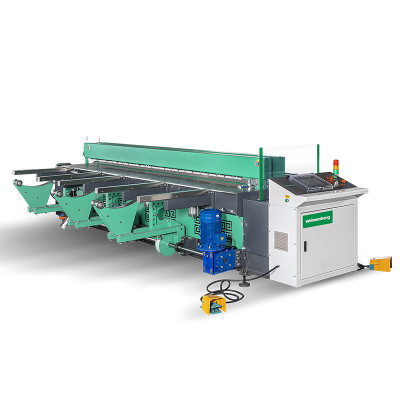
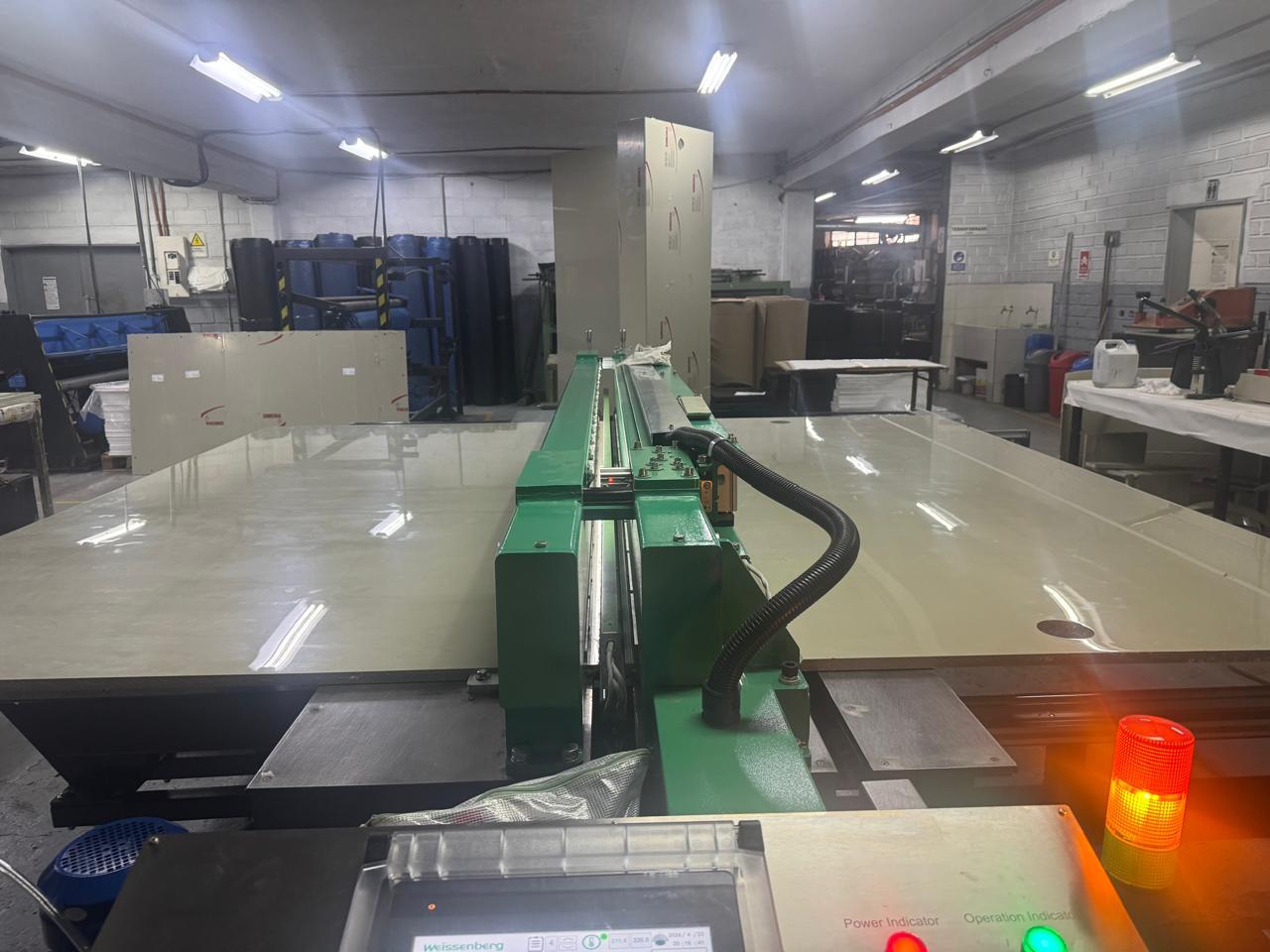
A CNC automatic plastic sheet welding machine automates the welding cycle using a programmable logic controller (PLC). Parameters are set through a touchscreen interface and executed automatically. Key features include:
- • PLC-controlled pressure regulation via proportional or servo valves
- • PID temperature control maintains the heating plate within ±5°C of the setpoint
- • Automatic changeover from heating to welding phase
- • Digital weld recipe storage for different materials and thicknesses
- • USB or network export of weld cycle data for traceability
The Weissenberg WeiBond CNC Automatic Plastic Sheet Butt Welding Machine uses SMC proportional pressure control and PID digital temperature control,di'g with all cycle phases managed by the PLC.
Operational Comparison
| Aspect | Manual Welder | CNC Automatic Welder |
|---|
| Temperature control | Basic thermostat; operator monitors and adjusts | PID closed-loop control; ±5°C of setpoint |
| Pressure application | Hand pump or manual hydraulic valve; operator feel | PLC-programmed through proportional valve; repeatable |
| Heating to welding change-over | Manual timing; operator judgment | PLC-timed; consistent between cycles |
| Parameter setup per job | Manual adjustment; relies on notes or memory | Recipe recall from touchscreen; seconds to change |
| Weld quality consistency | Operator-dependent; varies with skill and fatigue | Machine-controlled; reduced variability between operators |
| Operator training period | Weeks to months for consistent quality | Days for basic operation |
| Weld data recording | Handwritten logs | Automatic digital export |
| Certification support | Relies on operator records and testing | Built-in parameter traceability |
Important note on weld quality: Weld quality in plastic sheet butt welding depends on correct parameter selection and proper execution, regardless of machine type. A skilled operator can produce excellent welds on a manual machine. The advantage of CNC automation is repeatability: once good parameters are established, the machine reproduces them consistently across shifts and operators. The quality of the final weld still depends on choosing the right parameters for the material, thickness, and joint configuration.
Which Machine Suits Your Shop?
The right choice depends on your production profile.
Quick Decision Reference
| If Your Situation Is... | Consider... |
|---|
| Consistent daily production with multiple operators | CNC automatic |
| Customer requires documented weld parameters | CNC automatic |
| Production across multiple shifts | CNC automatic |
| Limited skilled welder availability | CNC automatic |
| Low-volume, varied, or custom jobs | Manual welder |
| Single experienced operator handles all welding | Manual welder |
| Minimizing initial capital expenditure | Manual welder |
| Repair and prototype work requiring flexibility | Manual welder |
Detailed Scenario Breakdown
CNC automation is more likely to suit you if: you run consistent repeatable weld jobs daily; you have multiple operators or shifts and need weld consistency across them; your customers require weld traceability and documented parameter records; you weld thick sheets (over 20mm) where precise pressure control is important; you process multiple material types (PP, HDPE, PVDF) and benefit from recipe storage; or you have difficulty finding or retaining skilled manual welders.
Manual operation is more likely to suit you if: your work is low-volume, varied, or repair-focused; a single experienced operator handles all welding; you prioritize lower initial capital expenditure; you value maximum flexibility for custom one-off jobs; your production volume does not justify automation; or you are in an early growth stage and prefer to invest in other areas first.
Cost and Investment Considerations
A CNC automatic plastic sheet welder carries a higher purchase price than an equivalent manual machine. The premium reflects the PLC control system, proportional hydraulics, touchscreen interface, sensors, and data logging capability. When evaluating the investment, shops typically consider labor cost (a CNC machine may be operated by fewer or less experienced personnel), training cost (shorter operator training periods for CNC machines can lower onboarding expense), scrap and rework reduction from consistent parameter control, and certification requirements (built-in data logging can reduce the cost of documenting weld quality). Each shop should calculate ROI based on its own operational data.
What Determines Weld Quality in Plastic Sheet Butt Welding
In heated tool butt welding of thermoplastic sheets per DVS 2207, five parameters determine final weld quality:
| Parameter | What It Affects | Controlled By |
|---|
| Heating plate temperature | Surface melt formation; must match material type | Thermostat (manual) or PID controller (CNC) |
| Heating time | Depth of melt layer; based on material and thickness | Operator timer (manual) or PLC timer (CNC) |
| Change-over time | Melt surface cooling before joining; must be brief and consistent | Operator speed (manual) or PLC sequence (CNC) |
| Joining (weld) pressure | Intermolecular bonding; must be sufficient for proper fusion | Manual hydraulic valve (manual) or proportional valve (CNC) |
| Cooling time and pressure | Crystallization and joint strength development | Operator timing (manual) or PLC control (CNC) |
All five parameters must be correctly set and executed for a quality weld. A CNC automatic machine's key advantage is not that it inherently produces better welds, but that it executes each parameter consistently from cycle to cycle, reducing the variability introduced by human factors.
Practical Experience from Fabrication Shops
The Typical Adoption Path
Many fabrication shops begin with manual welders, building their production base and operator expertise over time. As production volumes grow and customer requirements for documented quality increase, these shops often transition to CNC automatic machines for their repeatable work while retaining manual machines for repair, prototype, and custom jobs. This gradual path from manual to hybrid operation is one of the most common patterns observed across the industry.
Multi-Shift Operations and Operator Turnover
Shops running two or three shifts report that CNC machines reduce quality variation between shift teams. With a manual machine, the night shift operator may produce different results than the day shift operator. Shops struggling to retain skilled welders find CNC automation valuable because it reduces dependency on individual operator expertise. When a manual welder leaves, production quality may drop. When a CNC operator leaves, a replacement can be trained in days rather than weeks.
Documentation and Audits
For shops supplying chemical storage tanks, semiconductor equipment manufacturers, or water treatment facilities, customers increasingly request documented weld parameters. CNC machines with data logging make this straightforward. Manual machines rely on the operator maintaining written records.
Frequently Asked Questions
Can a CNC automatic welder handle different plastic materials?
Yes. CNC welders store separate weld recipes for PP, HDPE, and PVDF. The operator selects the appropriate recipe, and the machine applies the stored parameters. This is particularly useful for shops that regularly switch between materials.
Is a CNC welder always better than a manual welder?
No. CNC automatic welders are not inherently better in all situations. They offer advantages in repeatability, traceability, and reduced operator dependency, but these benefits only translate to value when a shop's production profile demands them. For low-volume custom work, a skilled operator on a manual machine can produce equally good welds at a lower machine cost.
Can manual welders produce certified, code-compliant welds?
Yes. Manual plastic sheet welders are fully capable of producing welds that meet DVS 2207 and other industry standards. Certification depends on correct parameter selection, proper execution, and documented quality testing, not on whether the machine is manual or automatic. CNC machines make it easier to maintain consistent parameters and provide built-in data logging.
How long does a plastic sheet butt welding machine typically last?
Well-maintained industrial-grade machines from reputable manufacturers generally provide 10 to 15 years of service. Key components including the hydraulic system, heating elements, and PLC are designed for continuous industrial use.
Can a manual welder be upgraded to CNC later?
Technically possible but generally not cost-effective. Retrofitting requires replacing the hydraulic system, adding sensors and a PLC, and rewiring the control panel. Most shops find it more economical to purchase a dedicated CNC machine.
What training does a CNC automatic welder operator need?
Basic CNC welder operation can be learned in a few days. Developing and testing new weld recipes for different materials takes more time, typically guided by the manufacturer's documentation and on-site training where available.
Summary
- Manual welder: Lower upfront cost, dependent on operator skill, suitable for low-volume and varied work. Best when a single experienced operator handles all welding.
- CNC automatic welder: Higher upfront cost, machine-controlled repeatability, reduces operator dependency, provides weld data traceability. Best for consistent production with multiple operators or certification needs.
- Choosing between them: Evaluate your production volume, operator situation, quality documentation requirements, and growth plans. There is no universal right answer, only the right answer for your shop.
Weissenberg offers both CNC automatic and industrial manual plastic sheet welding machines, together with after-sales support including remote diagnostics, spare parts, and on-site service in key markets.
References
- DVS 2207-1: Welding of Thermoplastics, Heated Element Welding of Sheets, DVS Media GmbH
- ISO 9001:2015 Quality Management Systems Requirements
- Weissenberg Engineering Documentation: WeiBond Series Product Specifications